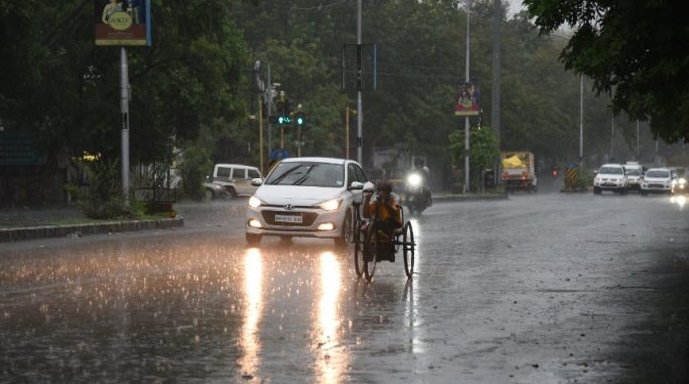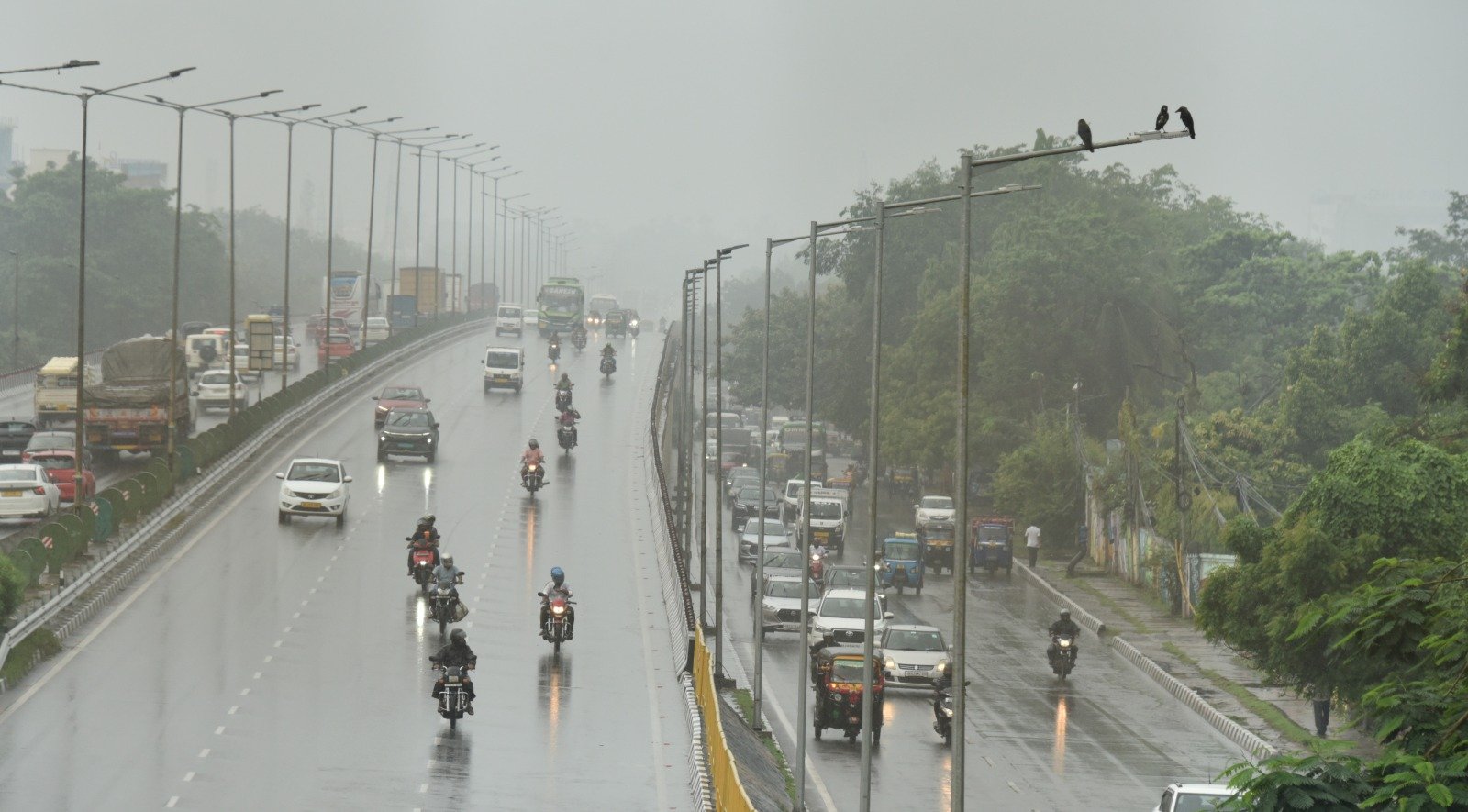

Cyclone Arnab has brought devastation to Kakinada in Andhra Pradesh, damaging residences, uprooting trees, and displacing families as locals seek government aid.
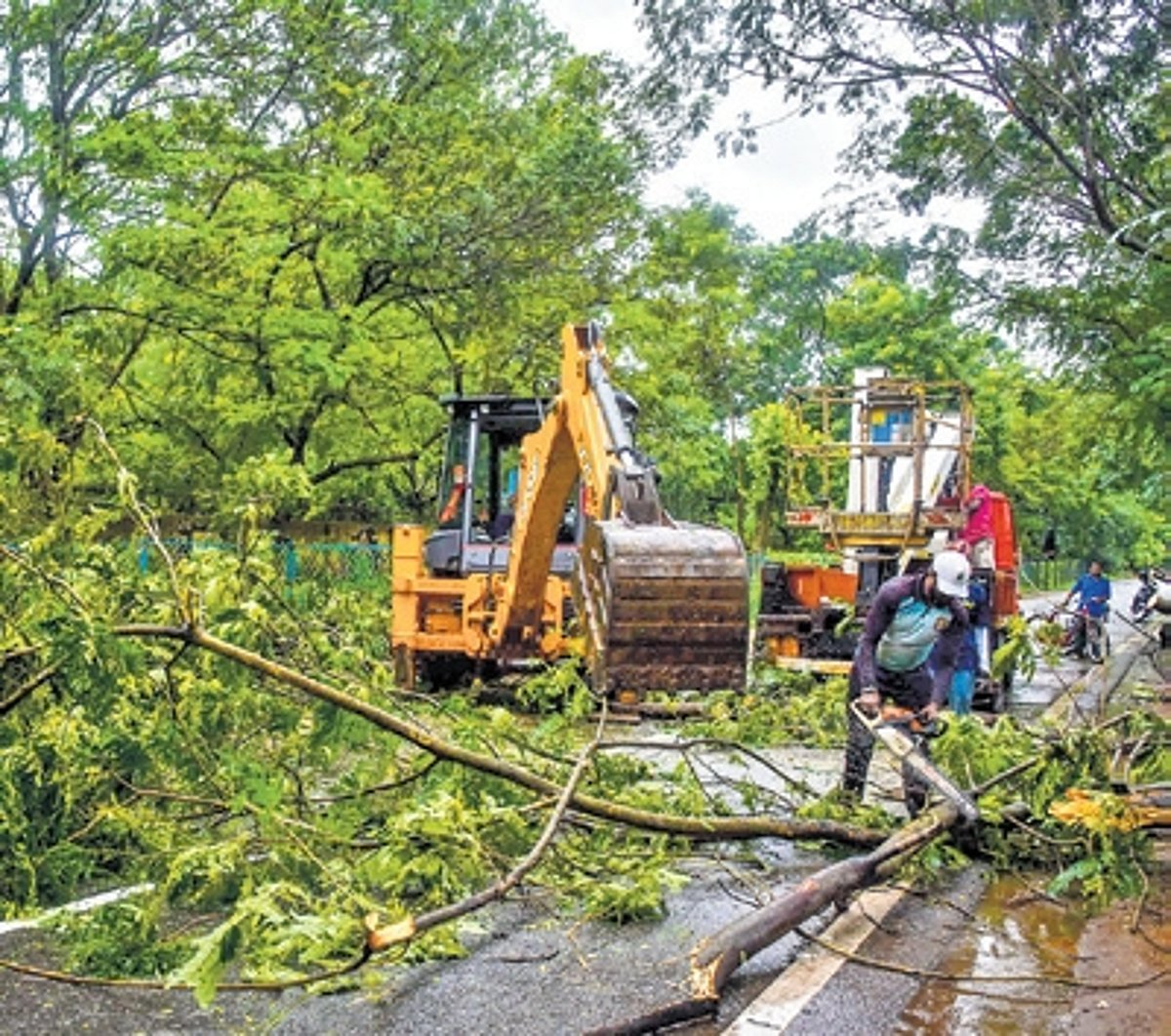
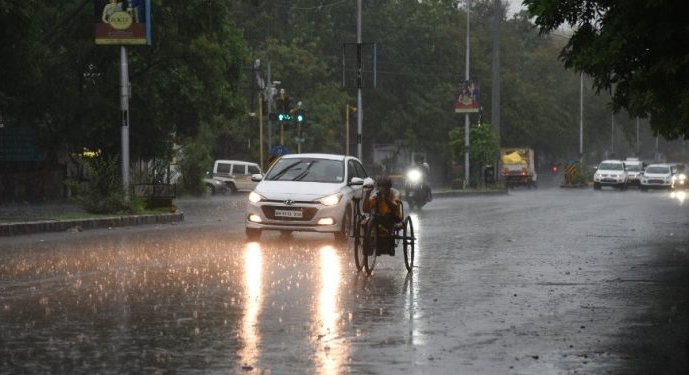
In Kakinada, strong winds associated with Cyclone Arnab uprooted numerous large trees in the Korangi area on Wednesday, disrupting traffic and local road access.
The intense winds, which coincided with the storm’s landfall near Kakinada, resulted in fallen branches and entire trees blocking several roads in the vicinity.
In response, local authorities, along with disaster response teams and emergency fire services, mobilized quickly, utilizing tree-cutting equipment to remove debris and restore normal traffic flow.
Officials have advised residents to stay indoors and avoid areas near electrical poles, billboards, and old trees until the weather improves. Emergency response units remain on standby in vulnerable regions to manage waterlogging, clear obstructed roads, and address infrastructure issues.
Coastal areas of Andhra Pradesh are experiencing significant distress following the impact of Cyclone Arnab, which has devastated low-lying regions in Kakinada district, leaving many homes in ruins and families in need of shelter. Residents affected by the storm have urgently appealed for assistance and support from the state government.
A local resident shared their plight with ANI, stating, “We have lost everything due to the cyclone. Our houses have been damaged. We have nothing left except the clothes we are wearing. We request the government to come to our rescue and provide financial assistance and support to help us rebuild our lives.”
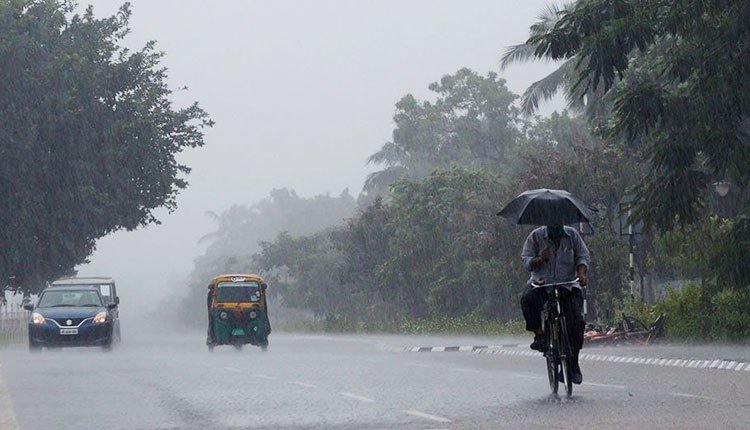
The cyclonic winds and heavy rainfall have caused considerable structural damage throughout the coastal area. Local authorities and disaster response teams have heightened their efforts in rescue and relief operations to provide essential supplies and temporary accommodation to those affected.
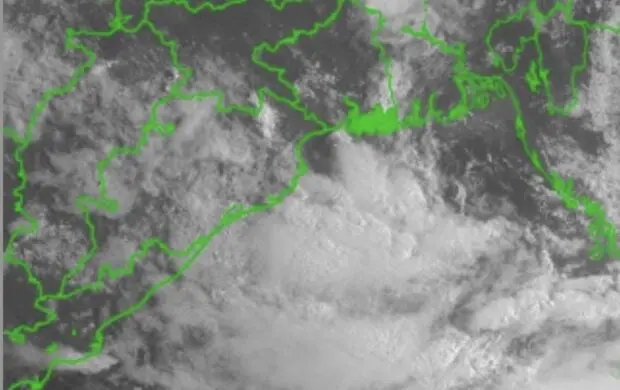
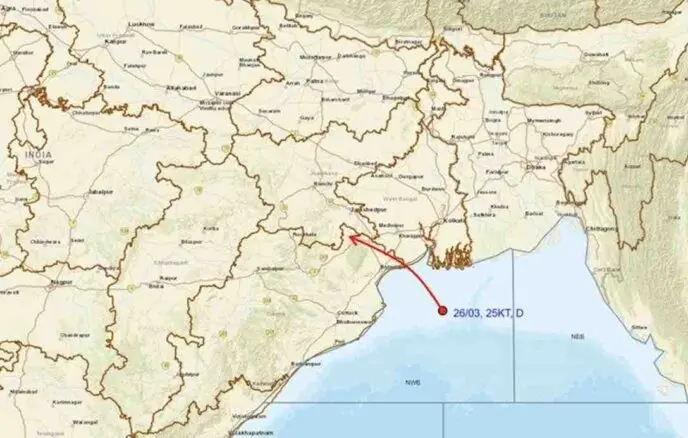
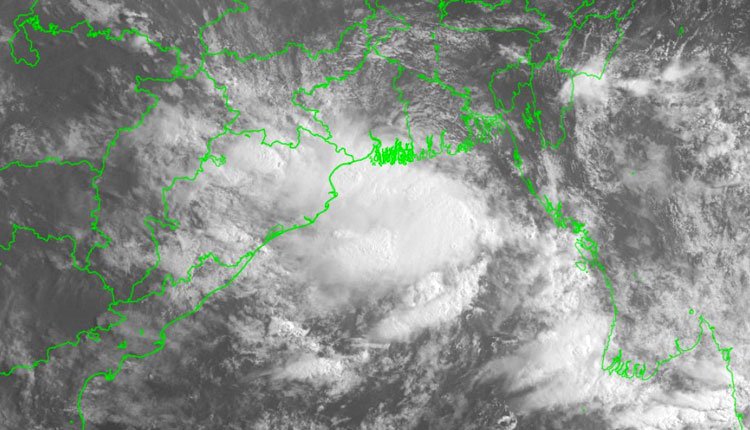
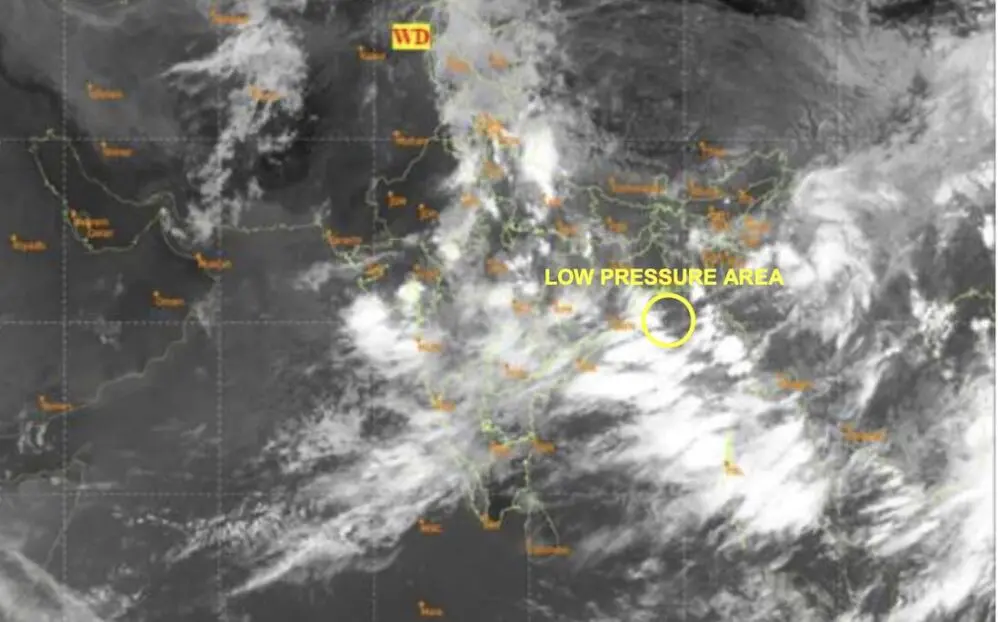
Earlier in the day, Cyclone Arnab began its landfall process along the coasts of Andhra Pradesh and Yanam, bringing torrential rain, as reported by the India Meteorological Department (IMD).
The IMD indicated that the cyclone was maintaining a core intensity of 125 to 135 km/h, with gusts reaching up to 150 km/h. The storm had been moving northwest at a speed of 3 km/h over the previous three hours and is anticipated to continue moving slowly northwest before shifting north-northwest.
According to the IMD’s hourly bulletin, “The landfall process will continue for the next 3 hours.” The designated landfall area is situated between Bapatla and Visakhapatnam, south of Yanam. Surface winds in this region are expected to remain at 125 to 135 km/h, gusting to 150 km/h over the next few hours before gradually diminishing.
Following the landfall, numerous trees were uprooted and power lines were severed at various locations across Kakinada.
Additionally, Cyclone Arnab has impacted parts of West Bengal, where heavy rain and strong winds caused trees to fall, obstructing Beach Road and Seethammadhara in Visakhapatnam, Andhra Pradesh.
The IMD has issued a significant inundation warning, predicting a storm surge of 1.5 to 2.5 meters above astronomical tide, likely to flood low-lying areas of Andhra Pradesh within the next 4 to 5 hours, with the highest surge anticipated near Kakinada and Yanam in the Puducherry Union Territory.
Extreme heavy rainfall exceeding 200 mm was reported in several areas of Anakapalli and Visakhapatnam districts between 8:30 a.m. on October 27 and 3:00 a.m. on October 28, according to the IMD.
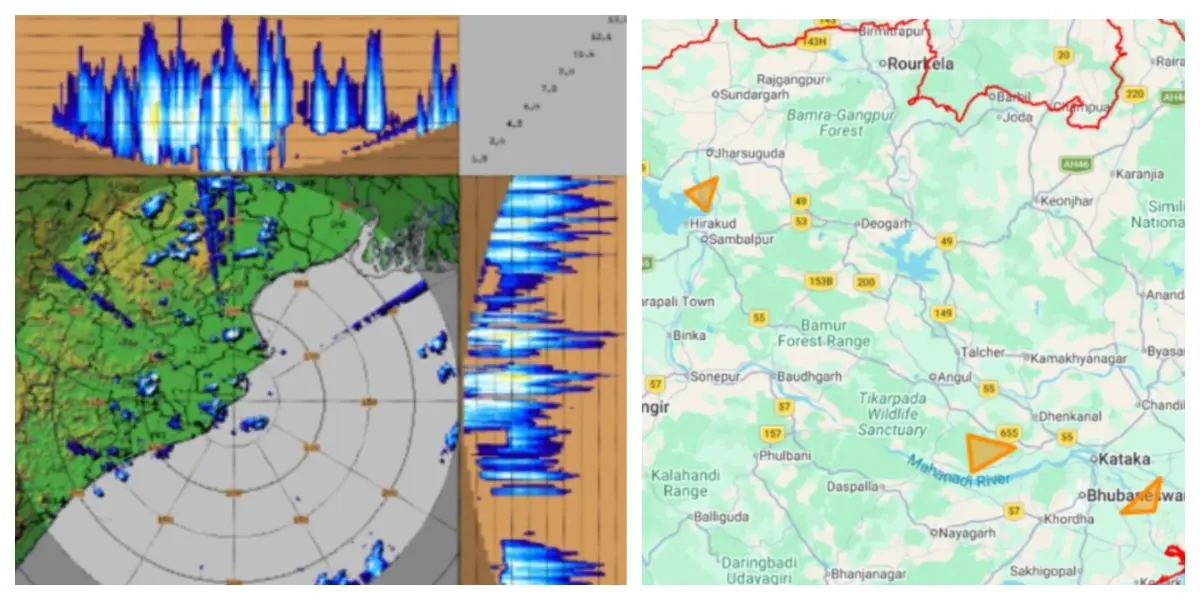
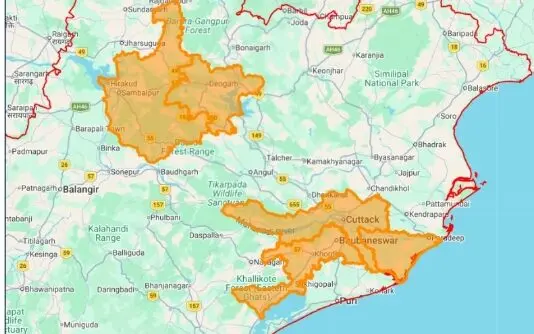
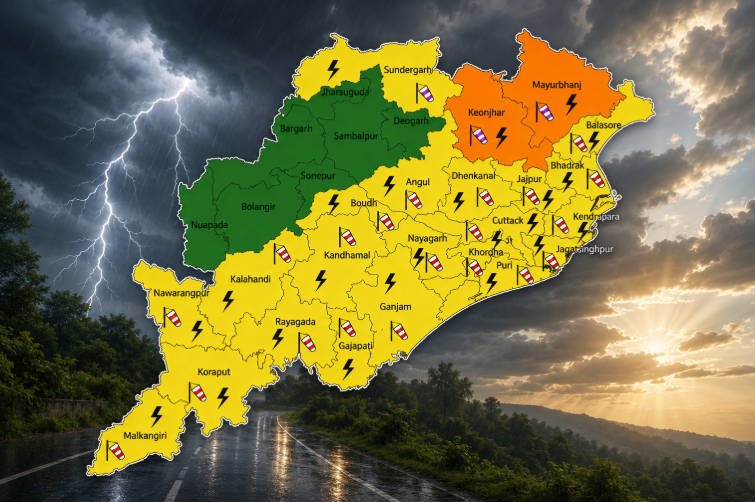
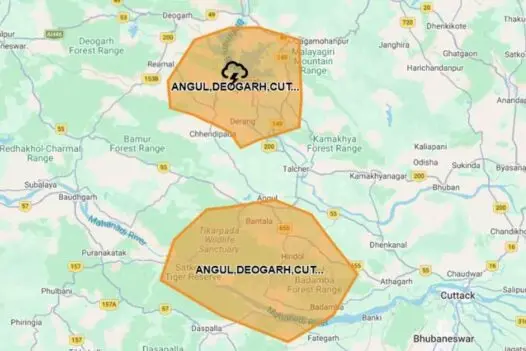
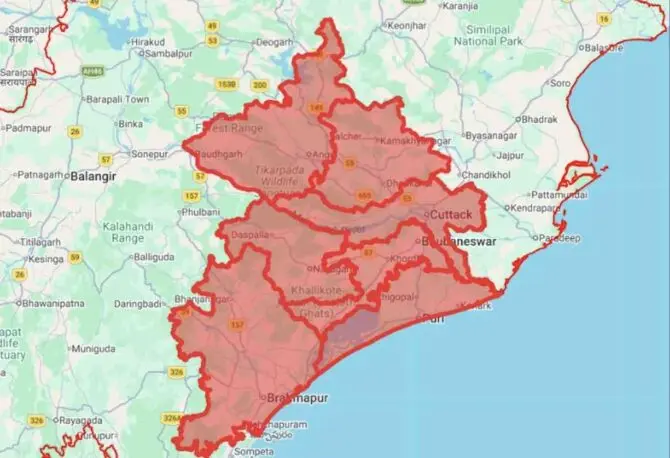
In Odisha, the IMD has also issued severe weather alerts, forecasting heavy to very heavy rainfall in several districts, including Gajapati, Ganjam, Rayagada, Koraput, Nabarangpur, and Malkangiri, along with thunderstorms and gusty winds reaching 60 to 80 km/h, and gusts up to 90 km/h.
An orange warning has been issued for heavy to very heavy rainfall in Kalahandi, Kandhamal, Nuapada, Balangir, Bargarh, Puri, Khordha, Sonepur, Boudh, and Nayagarh, coupled with thunderstorms and gusty winds reaching 40 to 50 km/h, gusting to 60 km/h.
A yellow warning is also in effect, predicting heavy rainfall in parts of Sundargarh, Jharsuguda, Sambalpur, Deogarh, Mayurbhanj, Angul, Dhenkanal, Keonjhar, Balasore, Bhadrak, Jajpur, Kendrapara, Jagatsinghapur, and Cuttack, along with thunderstorms and gusty surface winds of 30 to 40 km/h, with gusts up to 50 km/h, valid from October 28 until 8:30 p.m. on October 29.