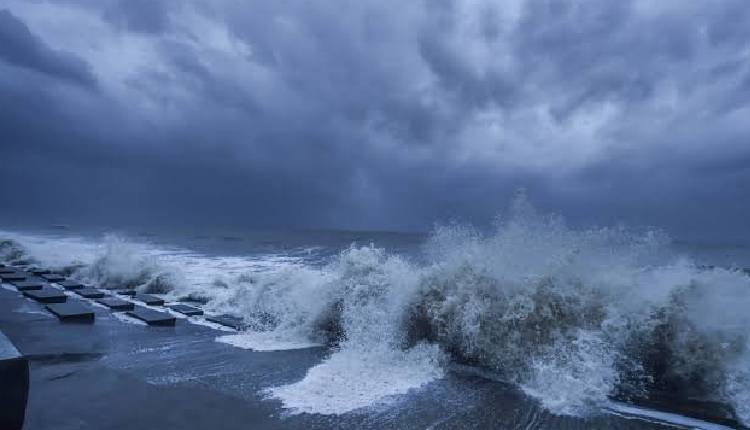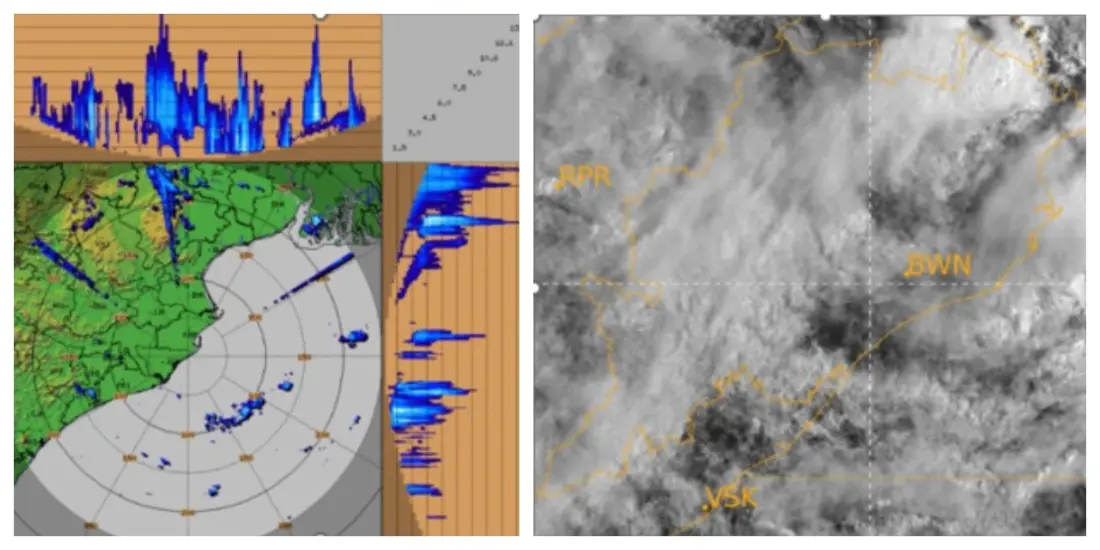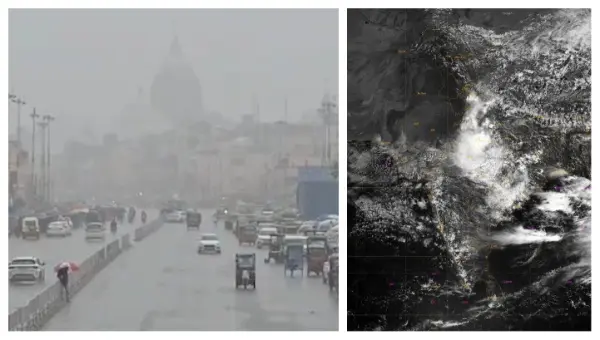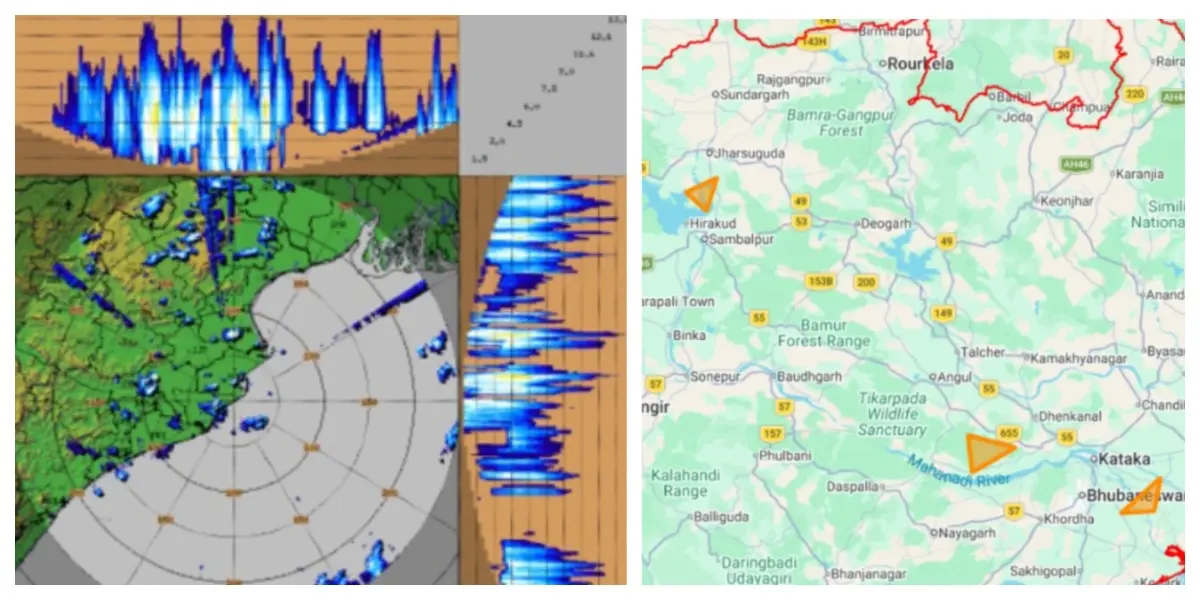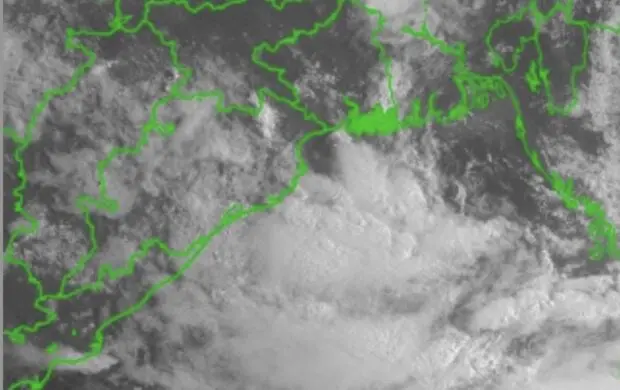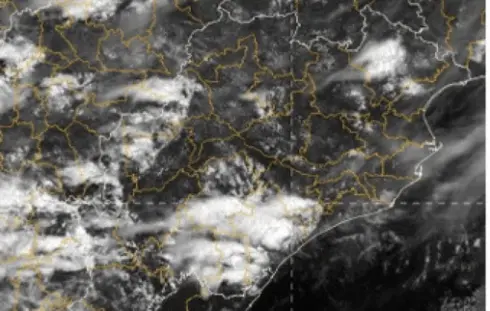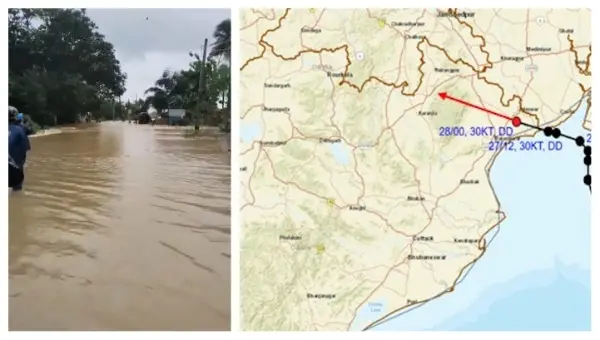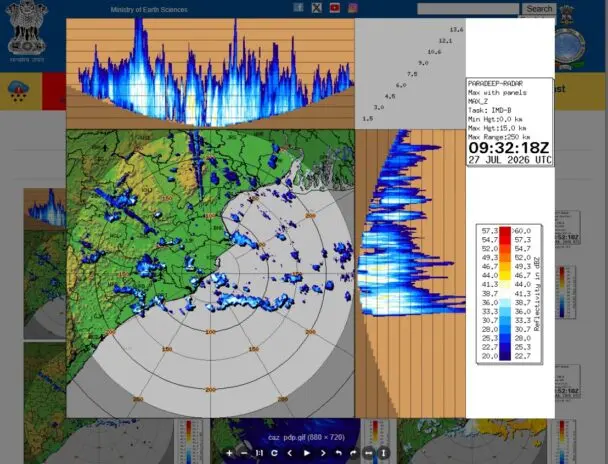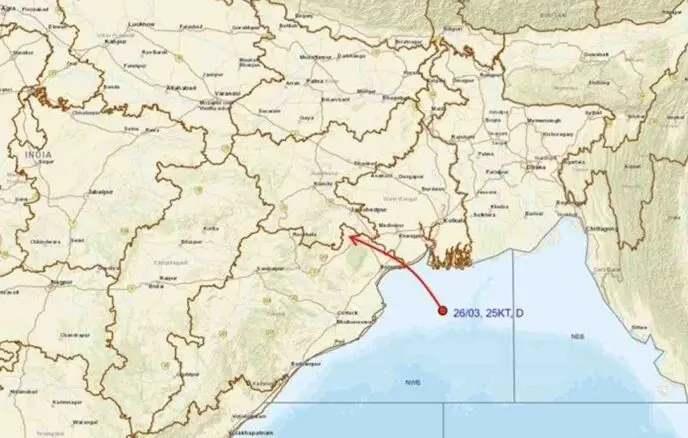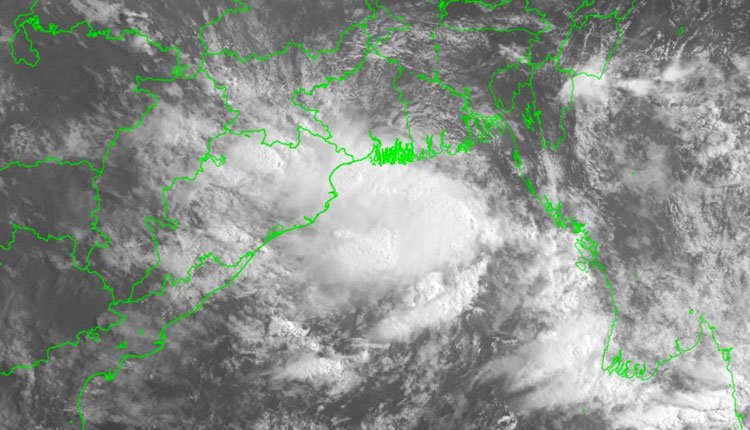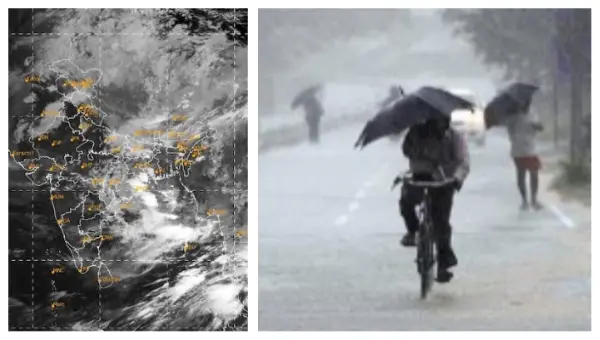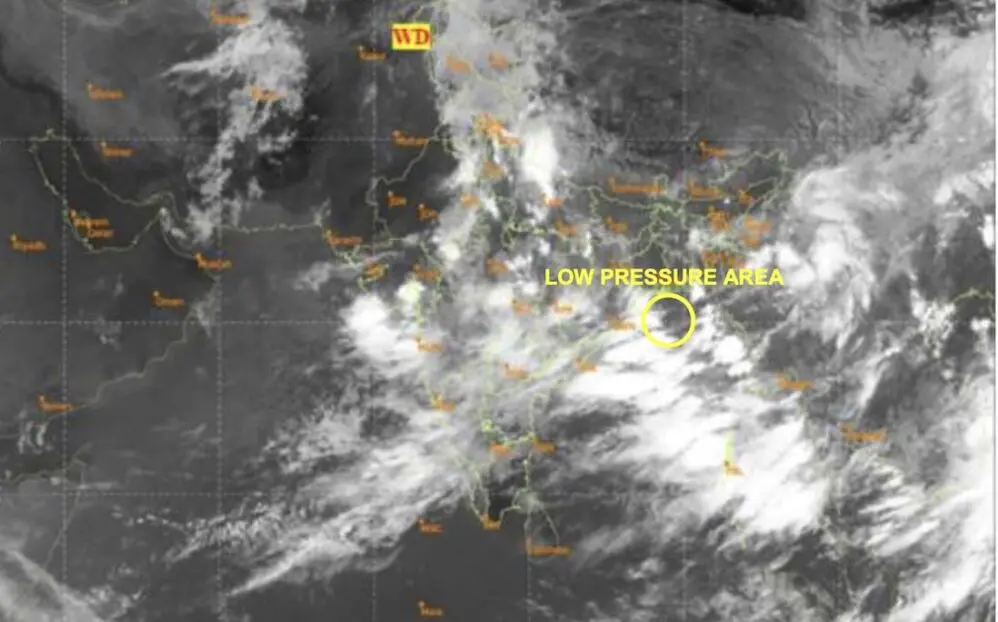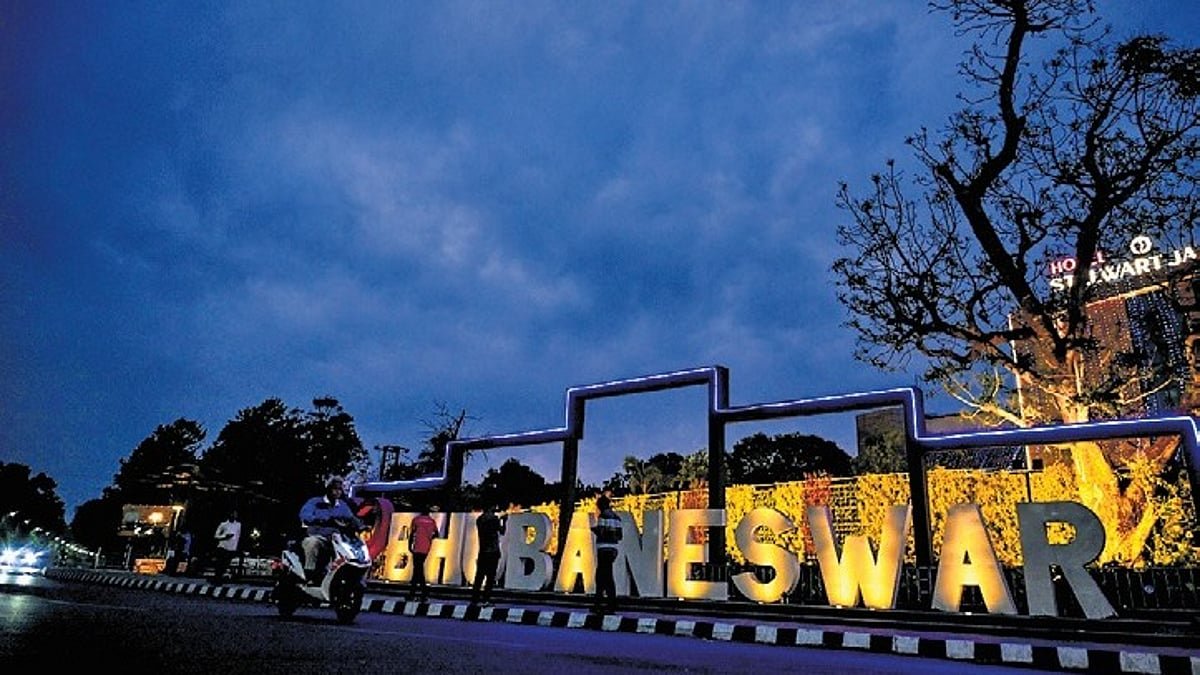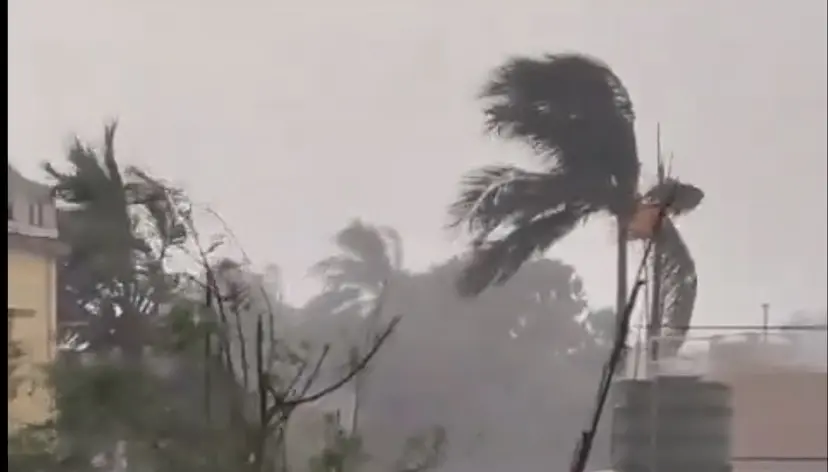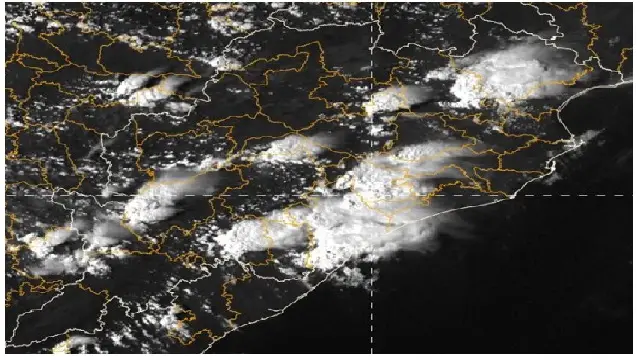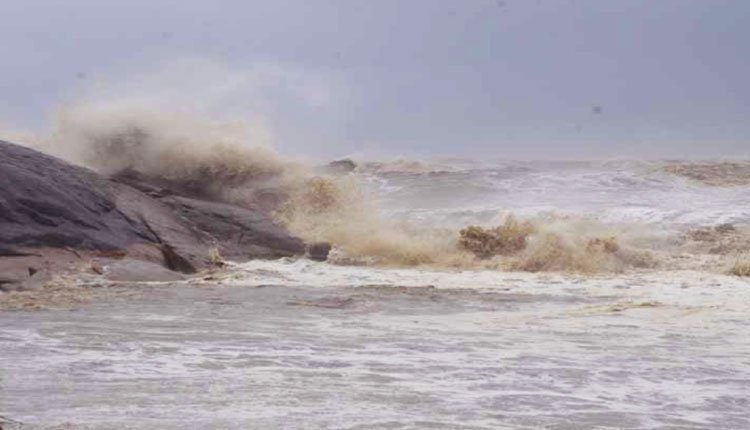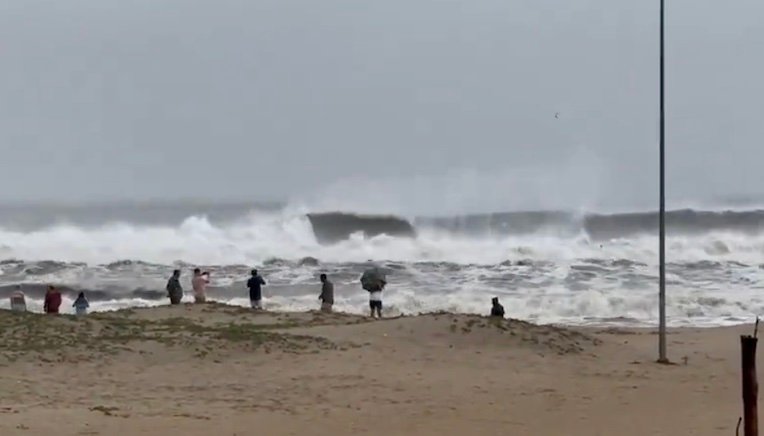
Bhubaneswar: A cyclonic circulation has emerged over northern Odisha and the adjacent Gangetic West Bengal region. This weather system is currently located over the northwest Bay of Bengal and the nearby North Odisha-Gangetic West Bengal coastline, situated approximately 0.9 kilometers above mean sea level, as reported by the India Meteorological Department (IMD).
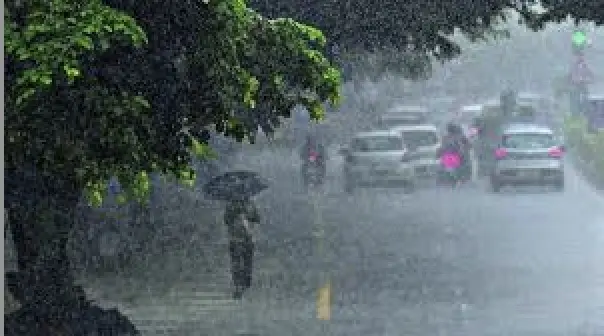
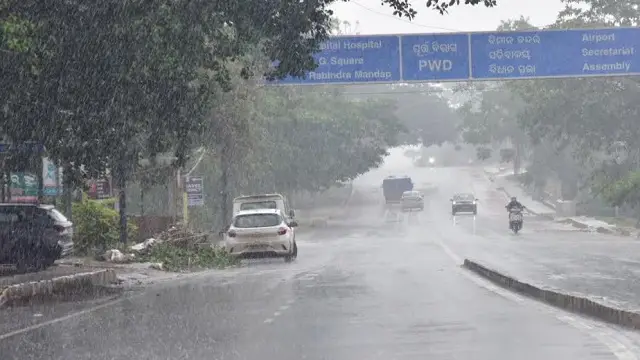
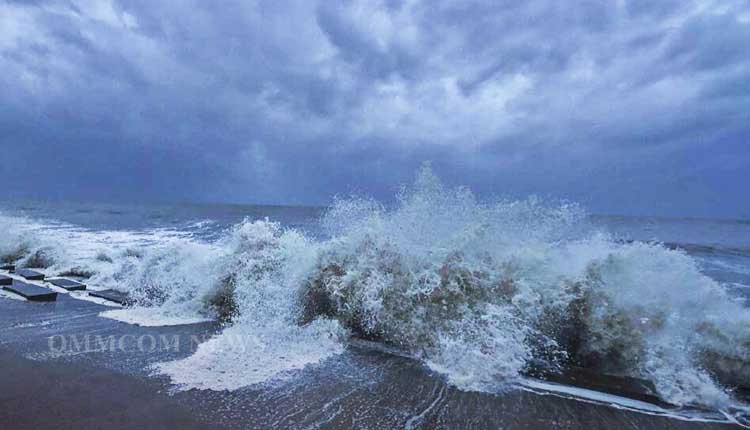
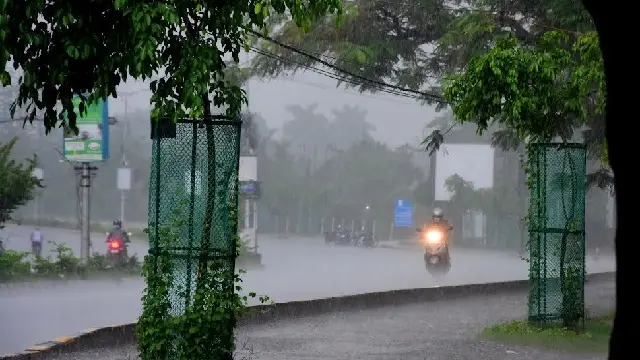
Additionally, the IMD noted the presence of another upper-air cyclonic circulation that remains active over South Gangetic West Bengal and parts of Bangladesh, extending between 1.5 kilometers and 5.8 kilometers above mean sea level. As a result of these weather phenomena, heavy rainfall has been occurring across Odisha.
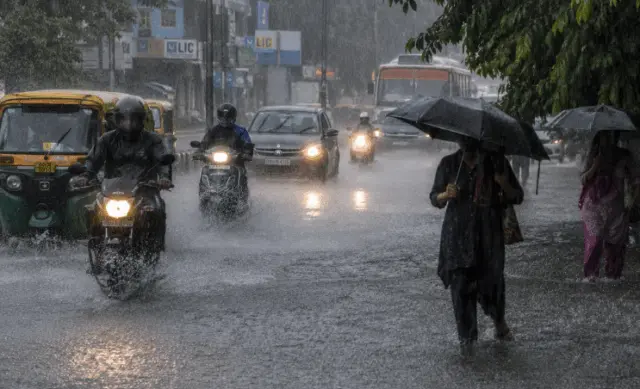
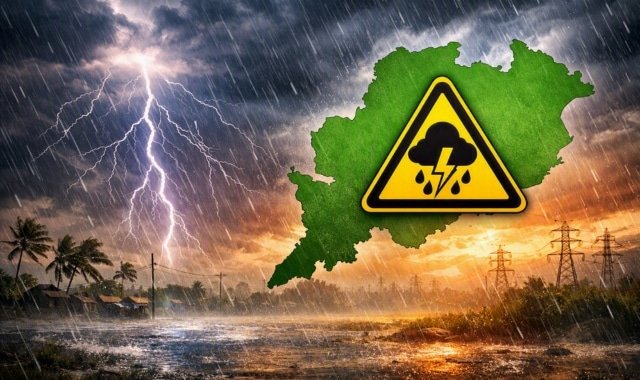
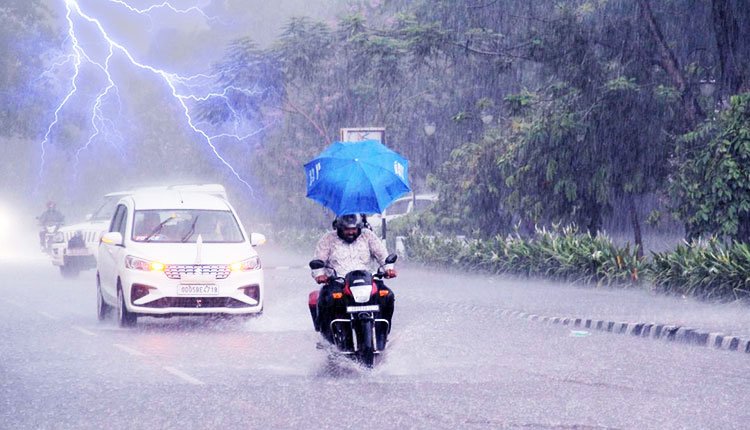
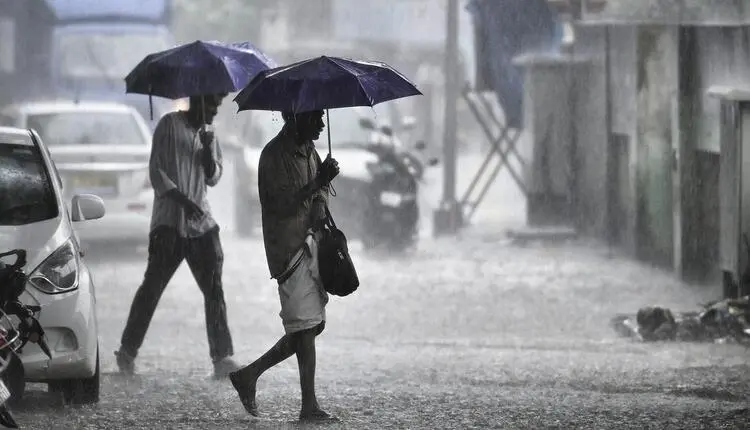
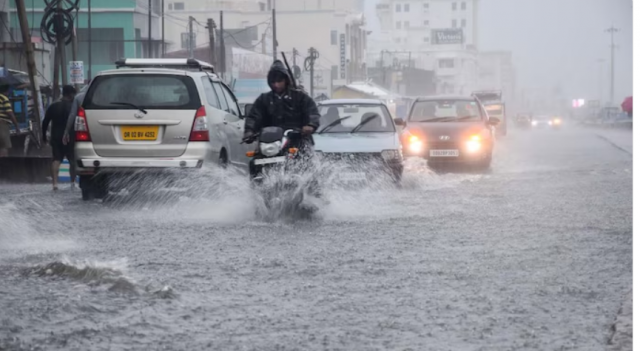
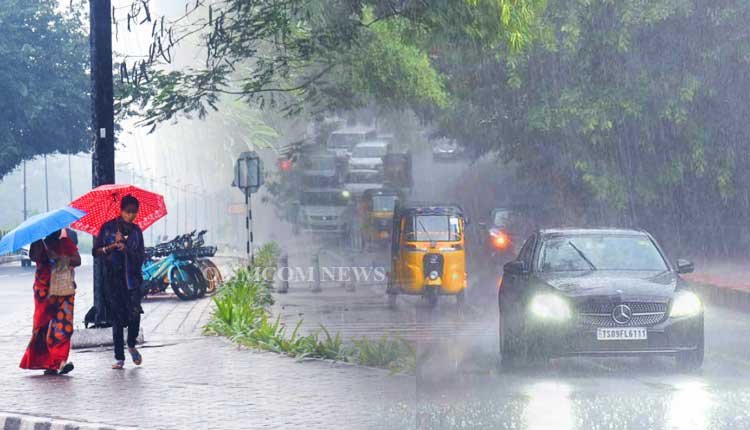
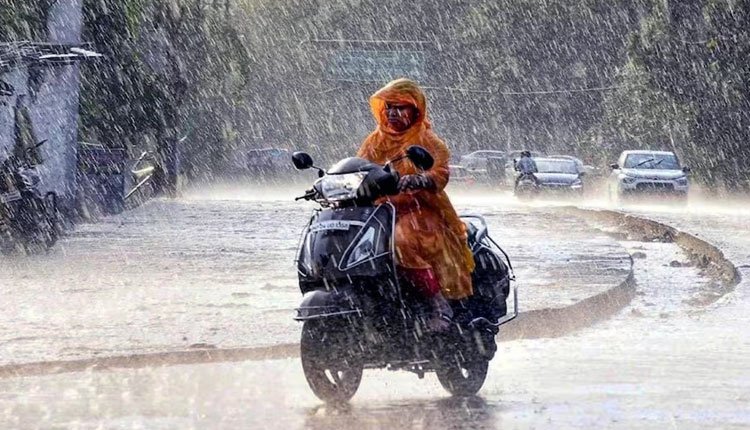
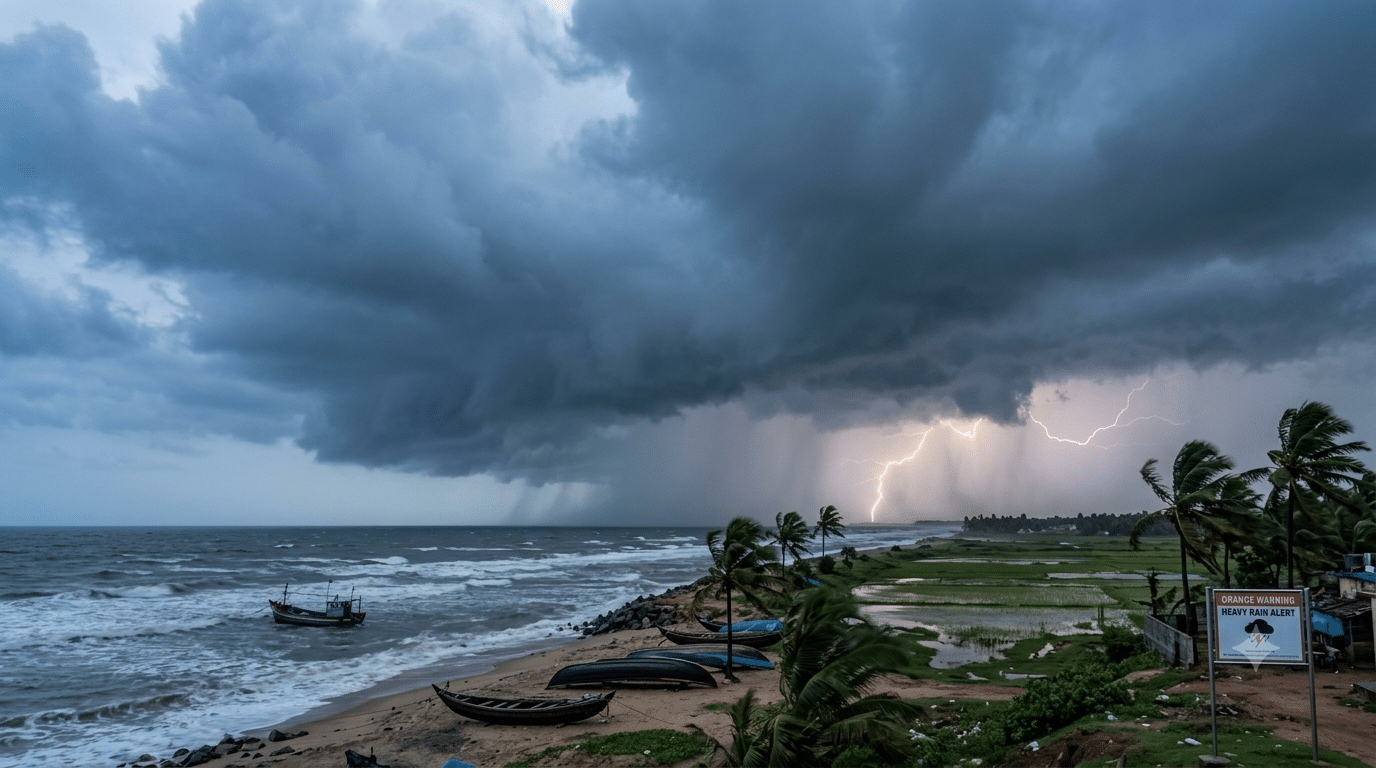
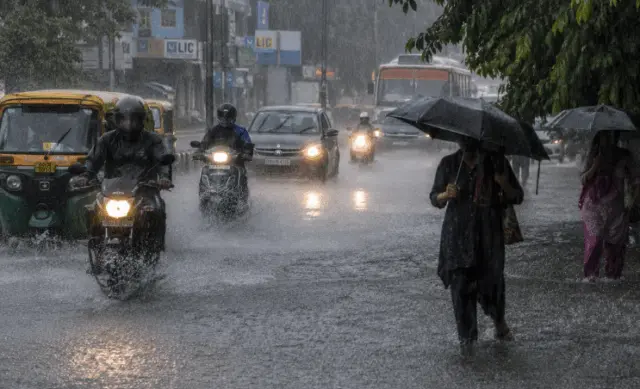
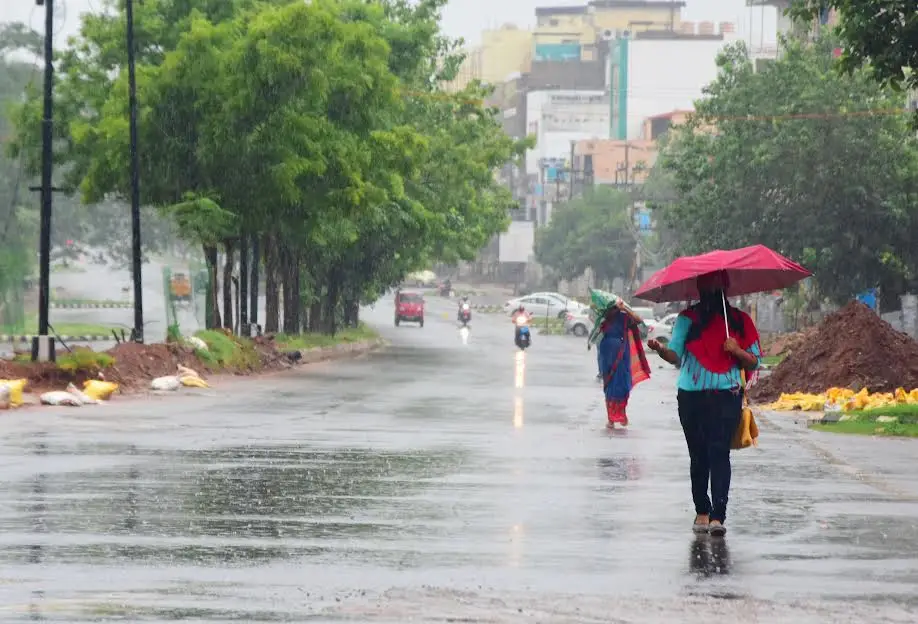
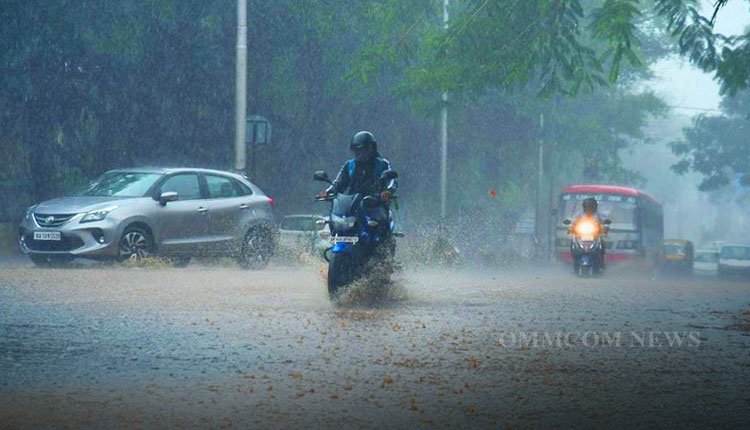
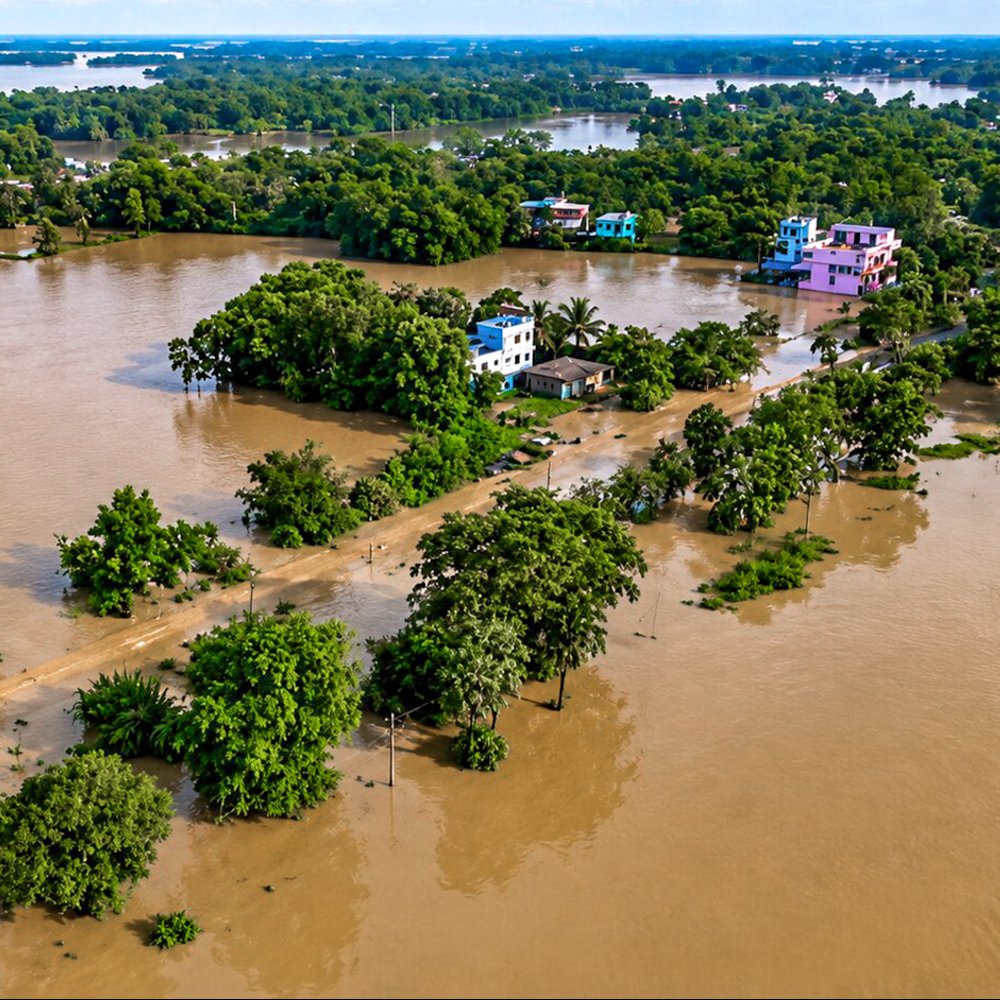
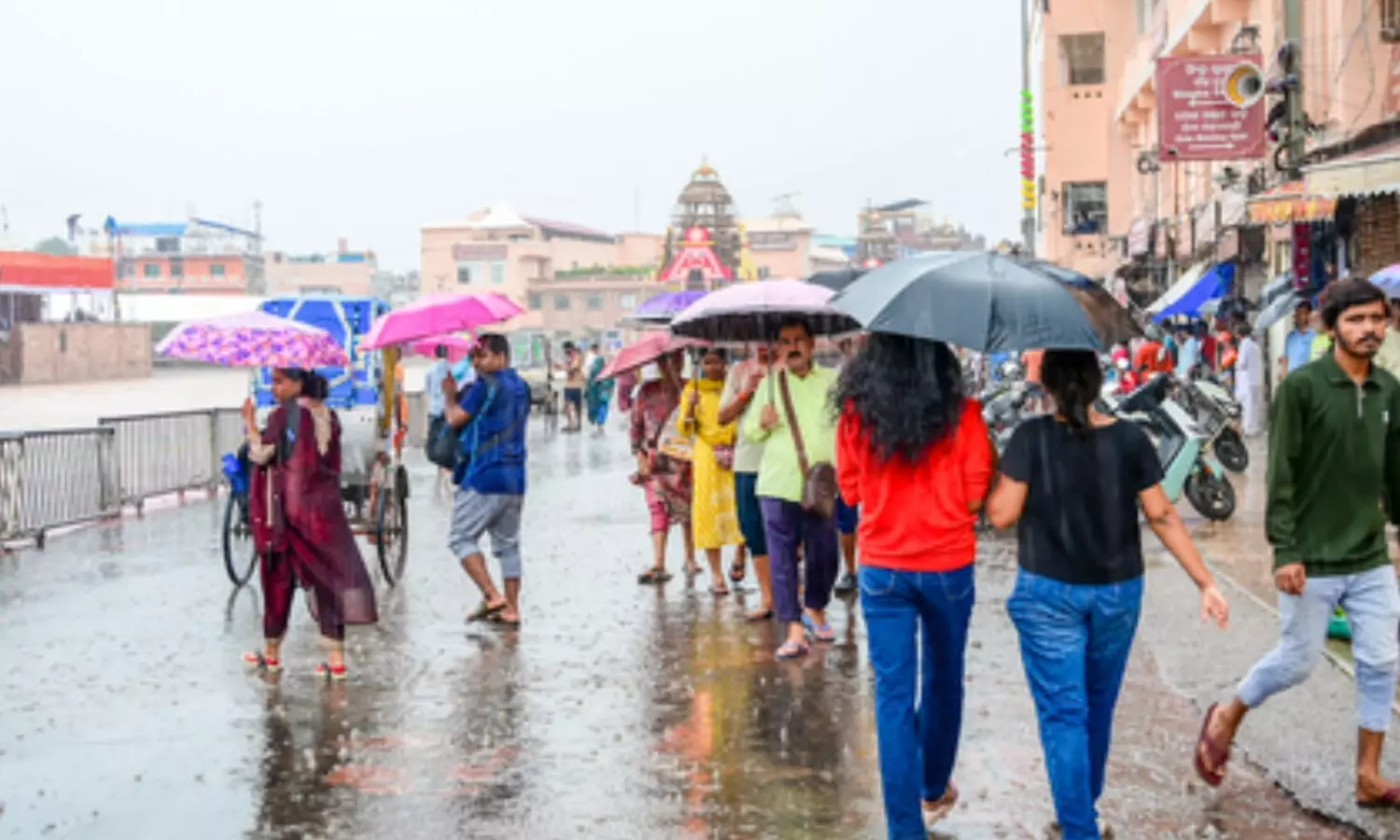
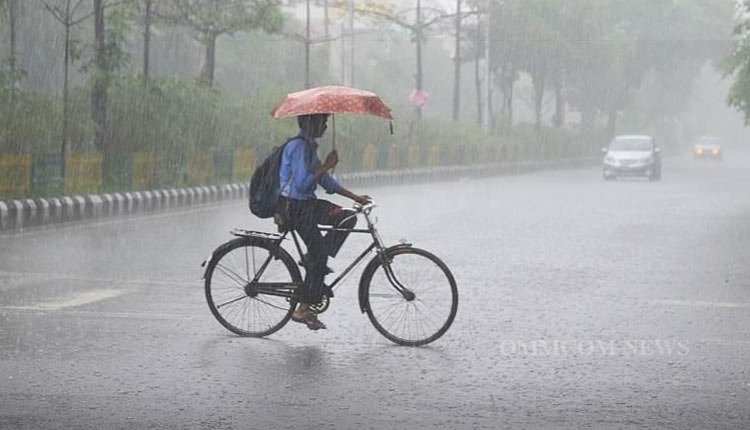
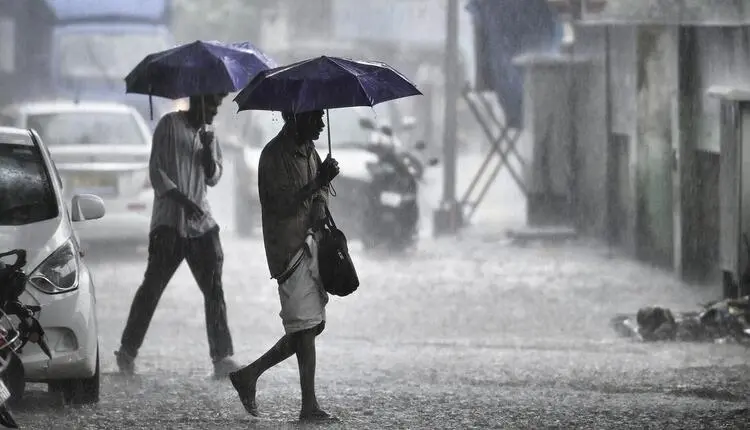
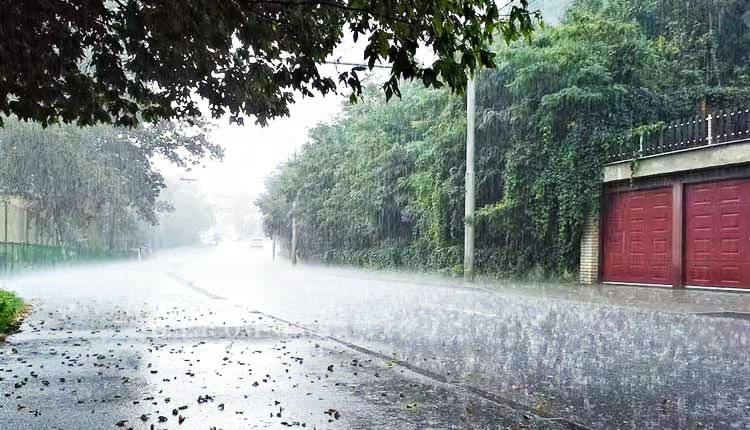
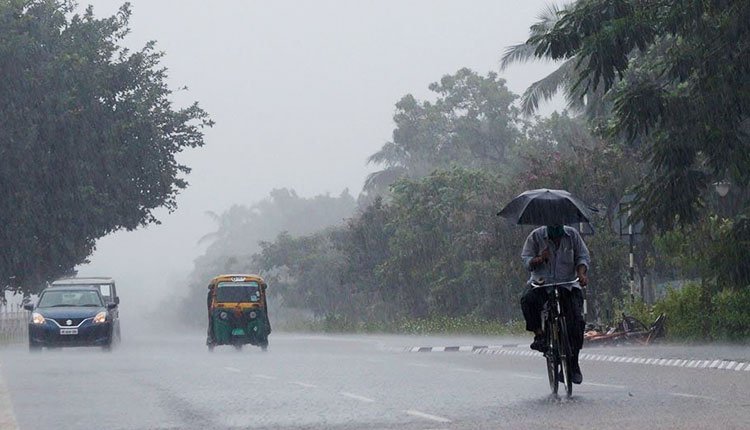
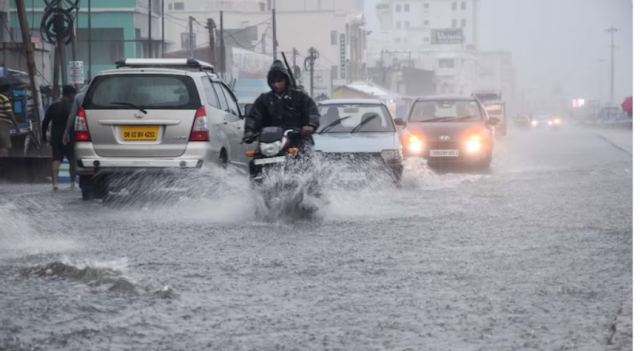
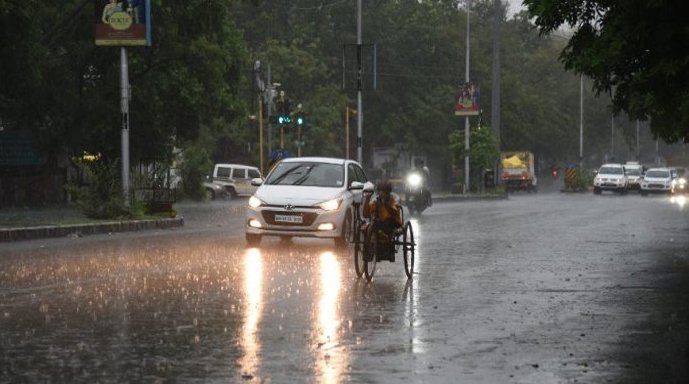
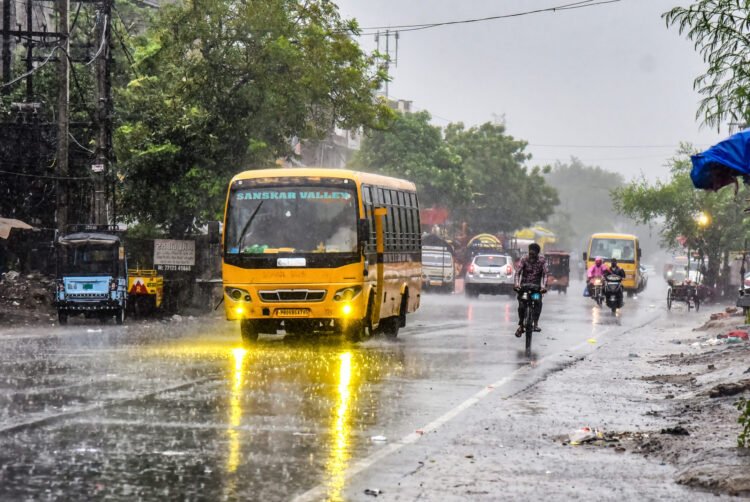
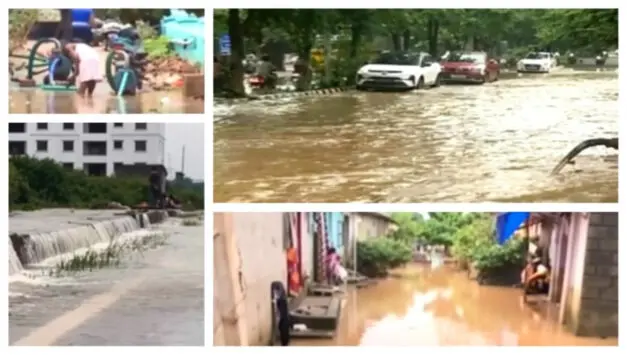
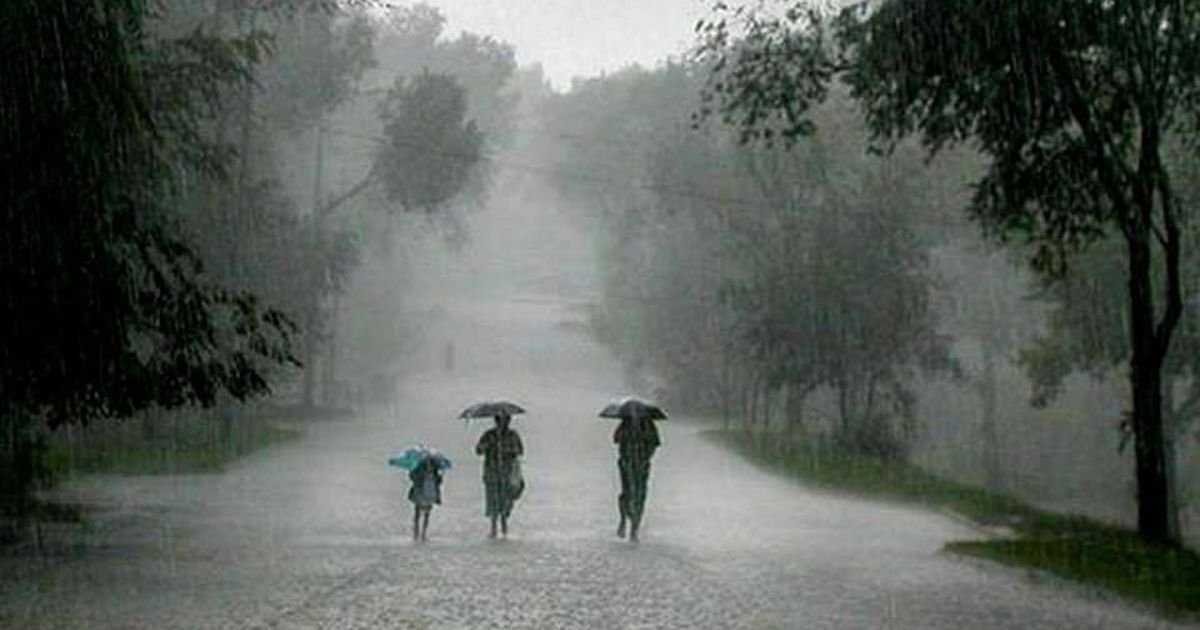
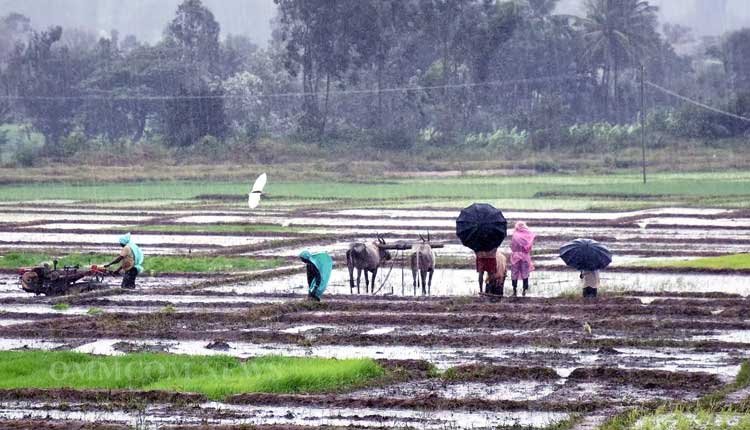
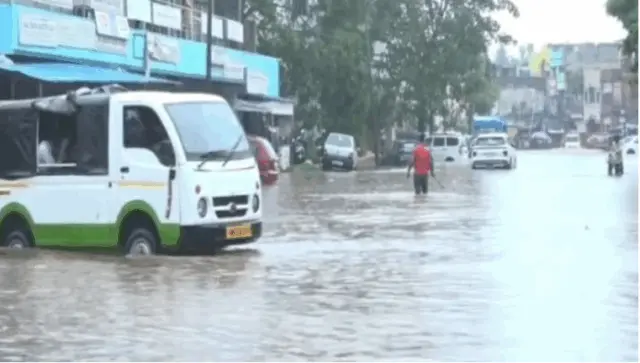
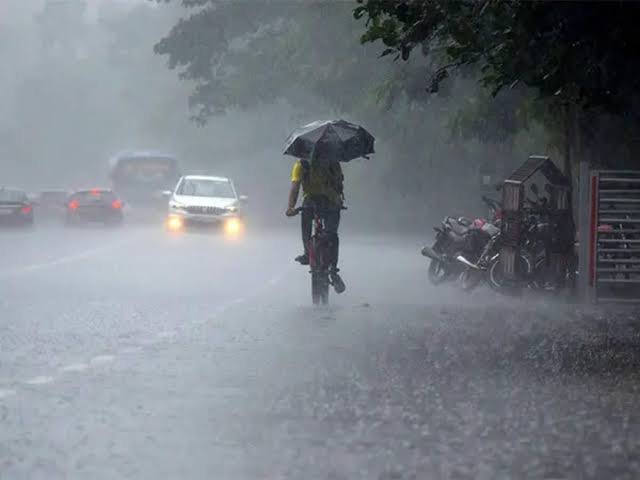
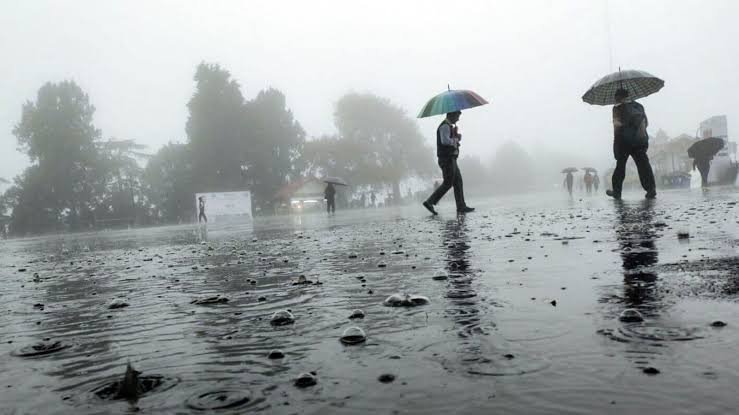
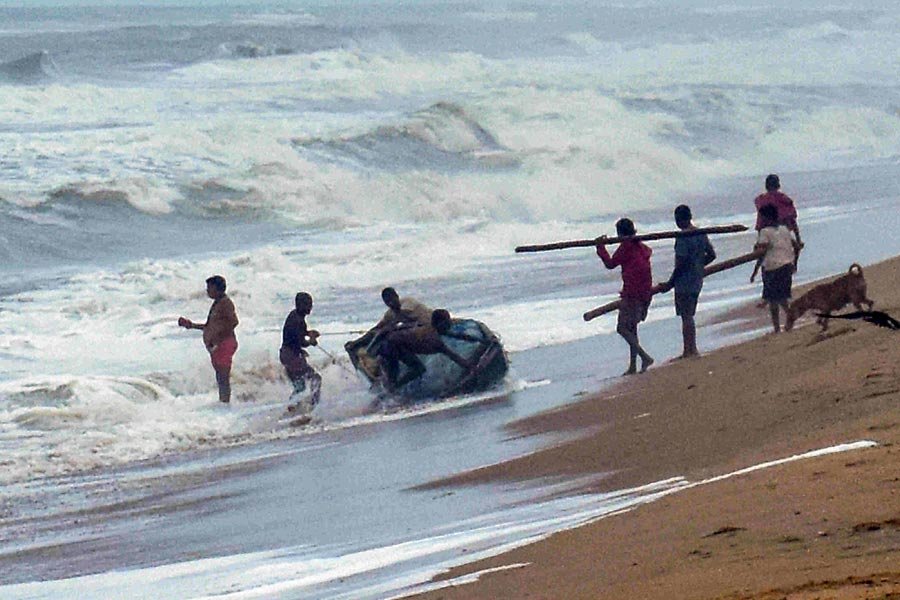
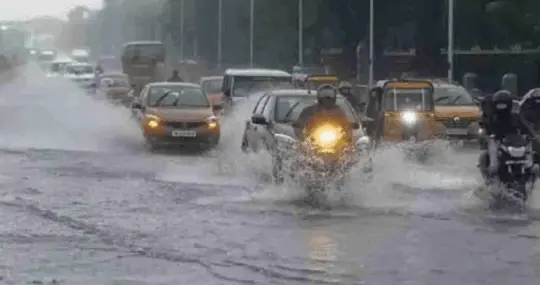
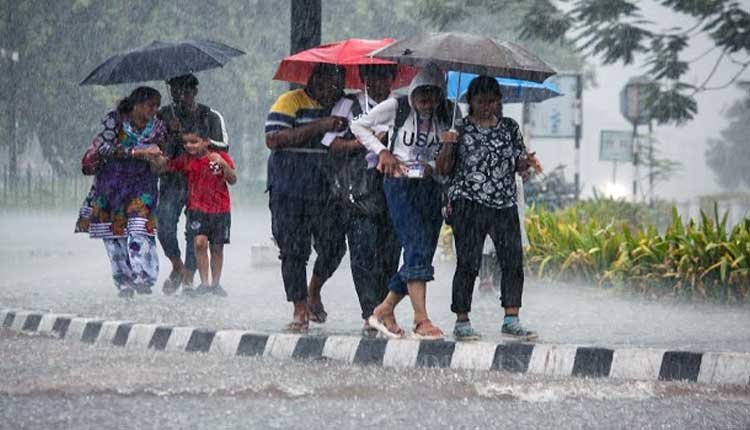
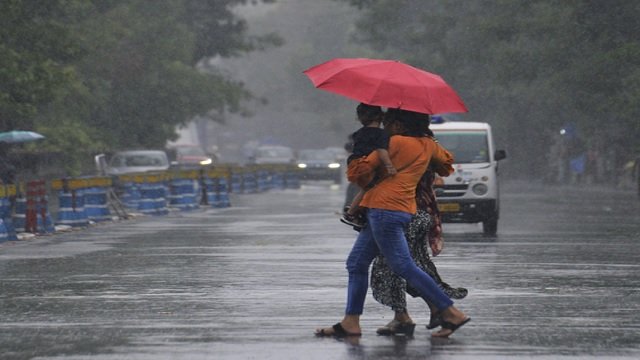
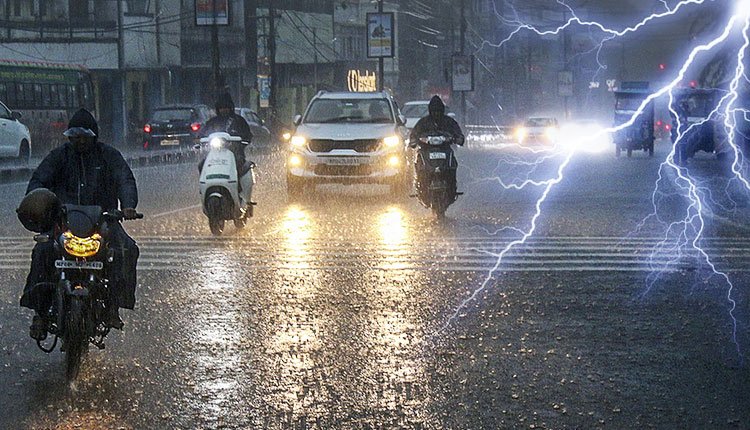
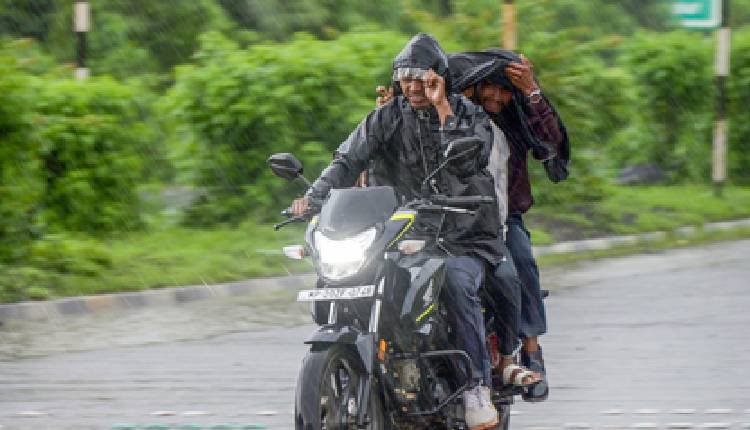
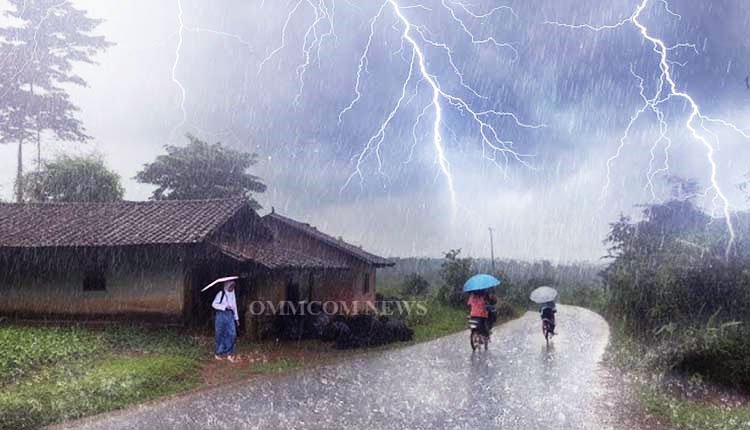
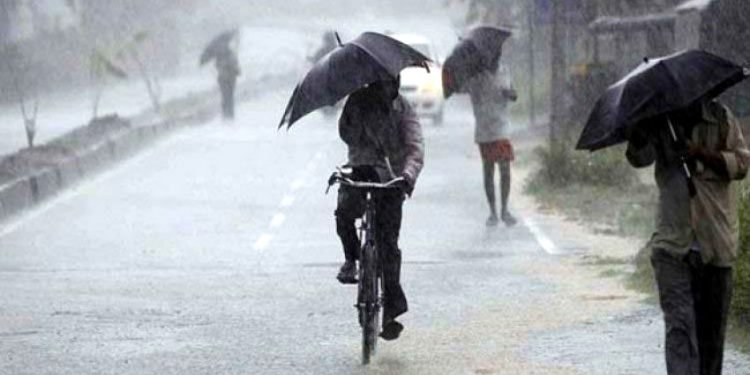
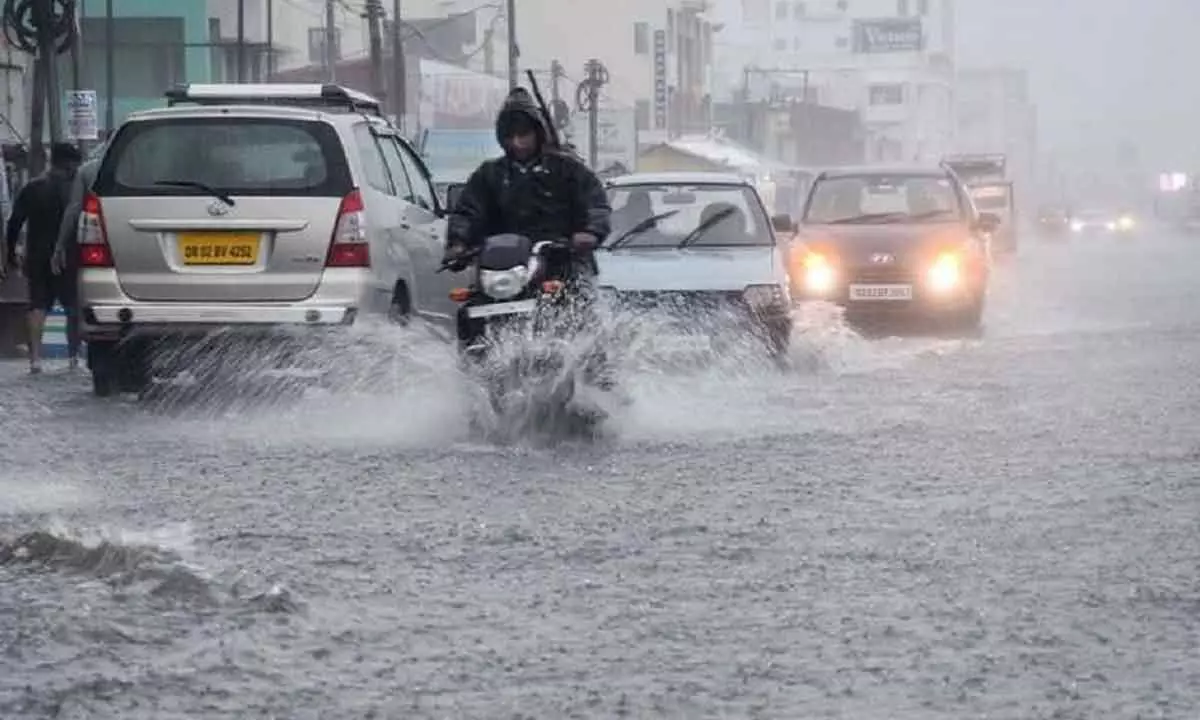
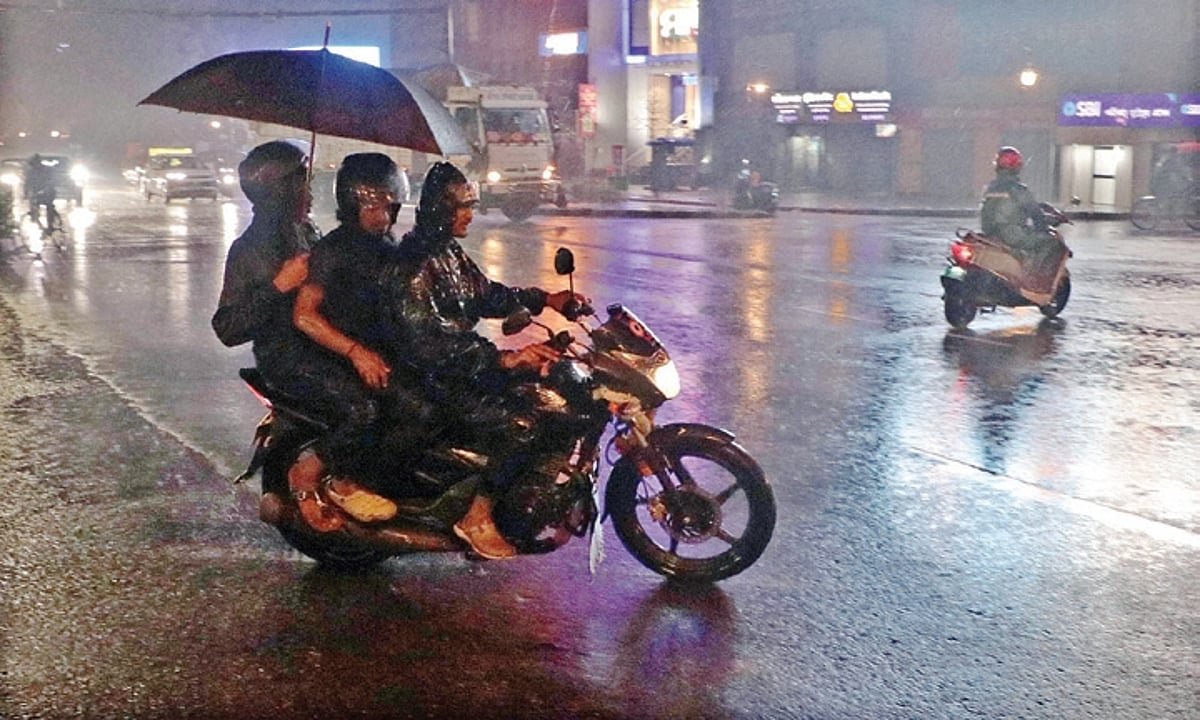
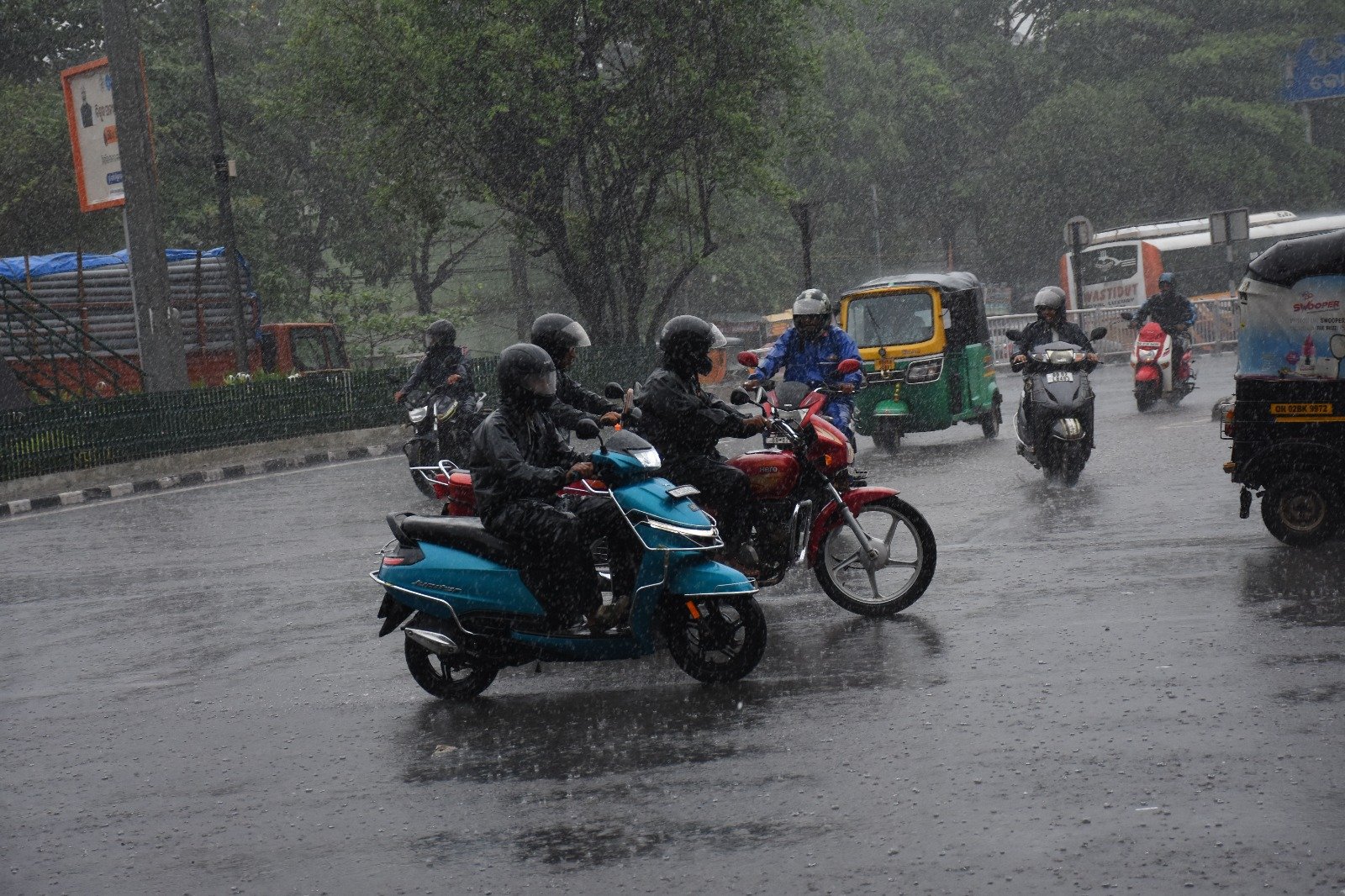
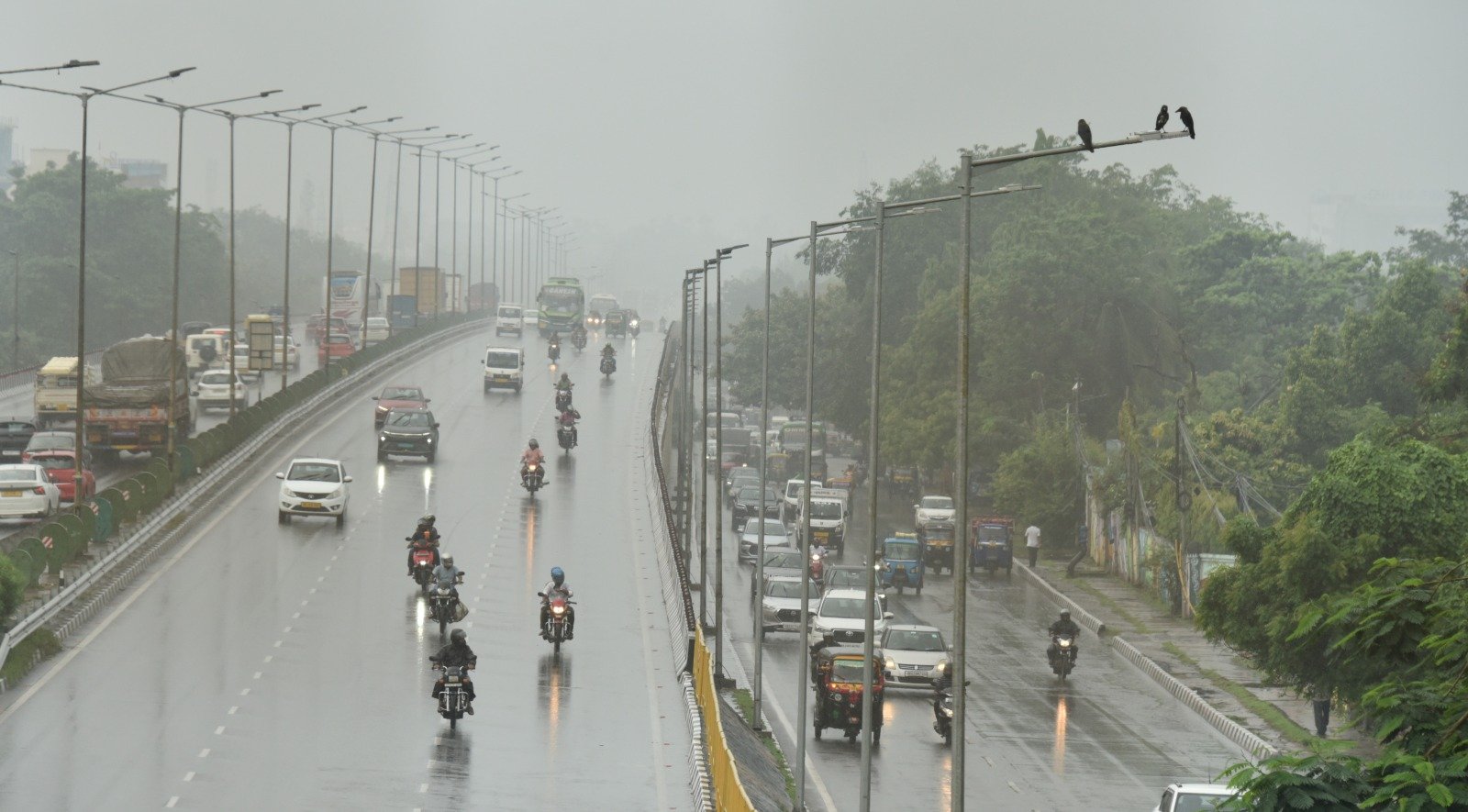
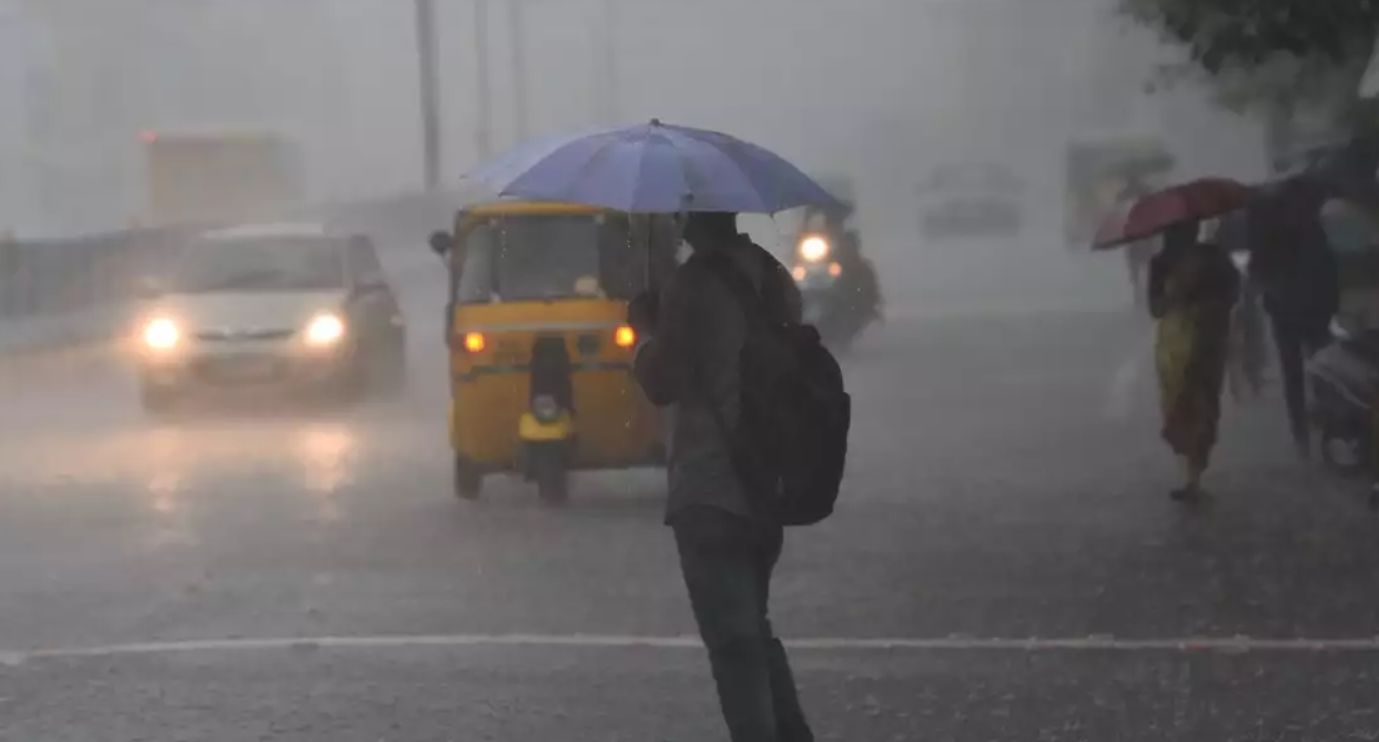
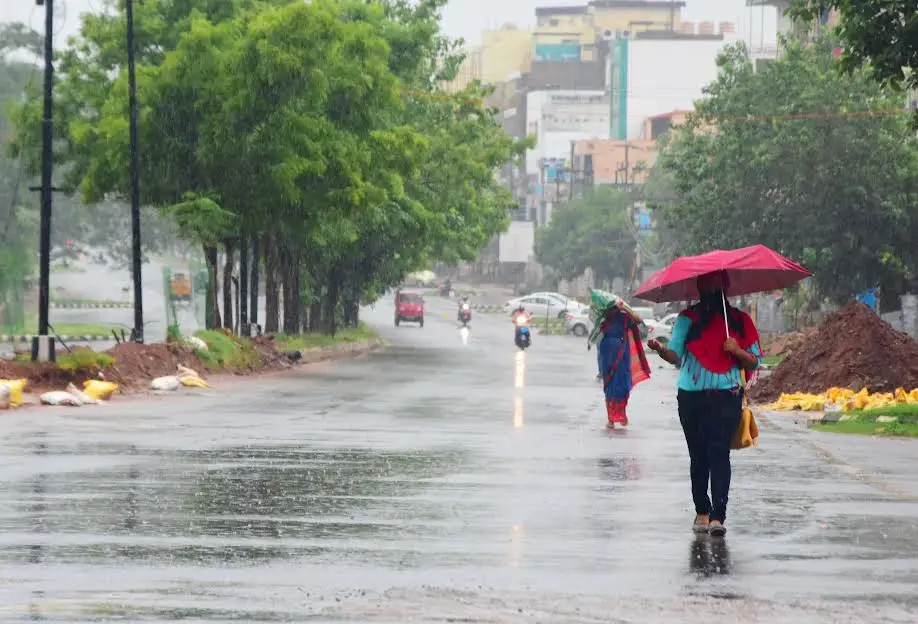
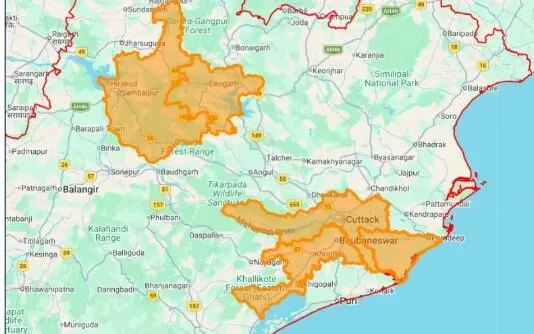
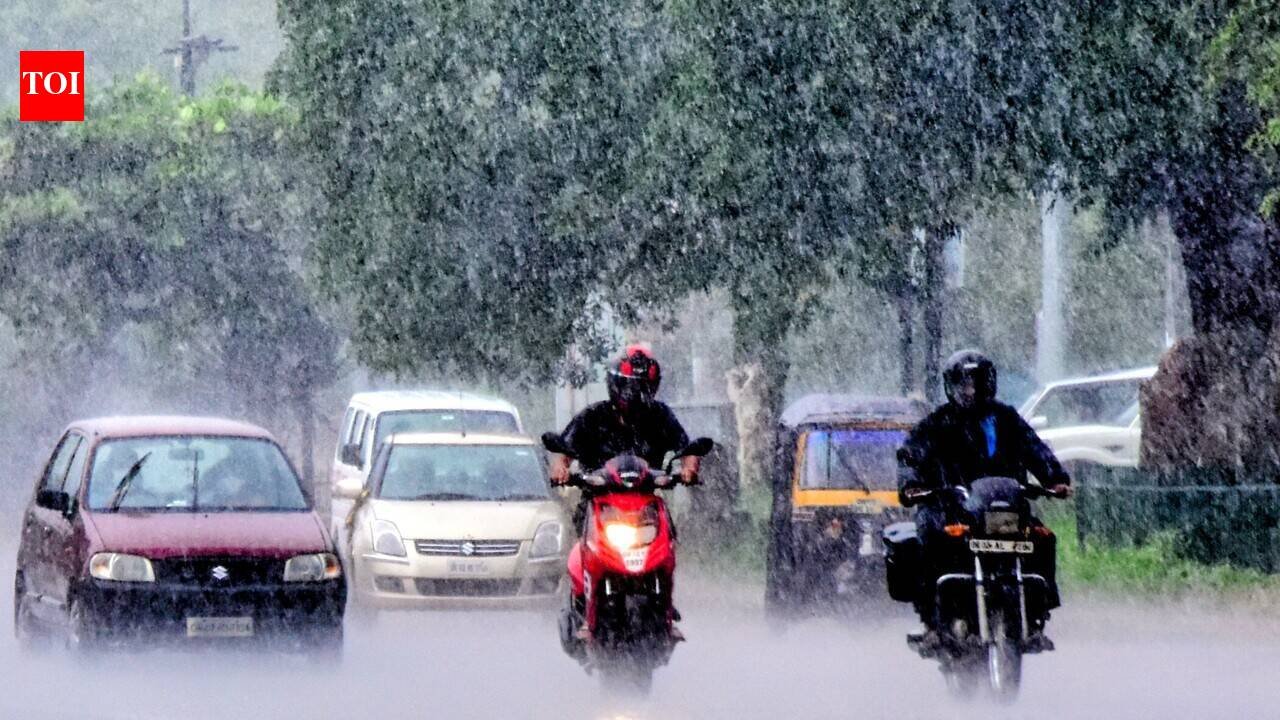
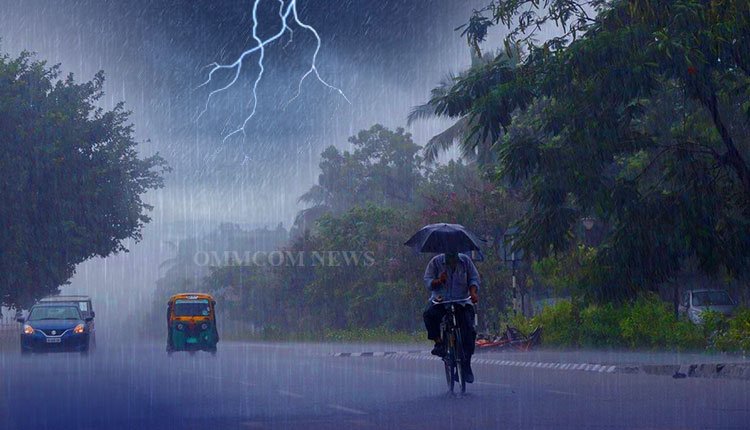
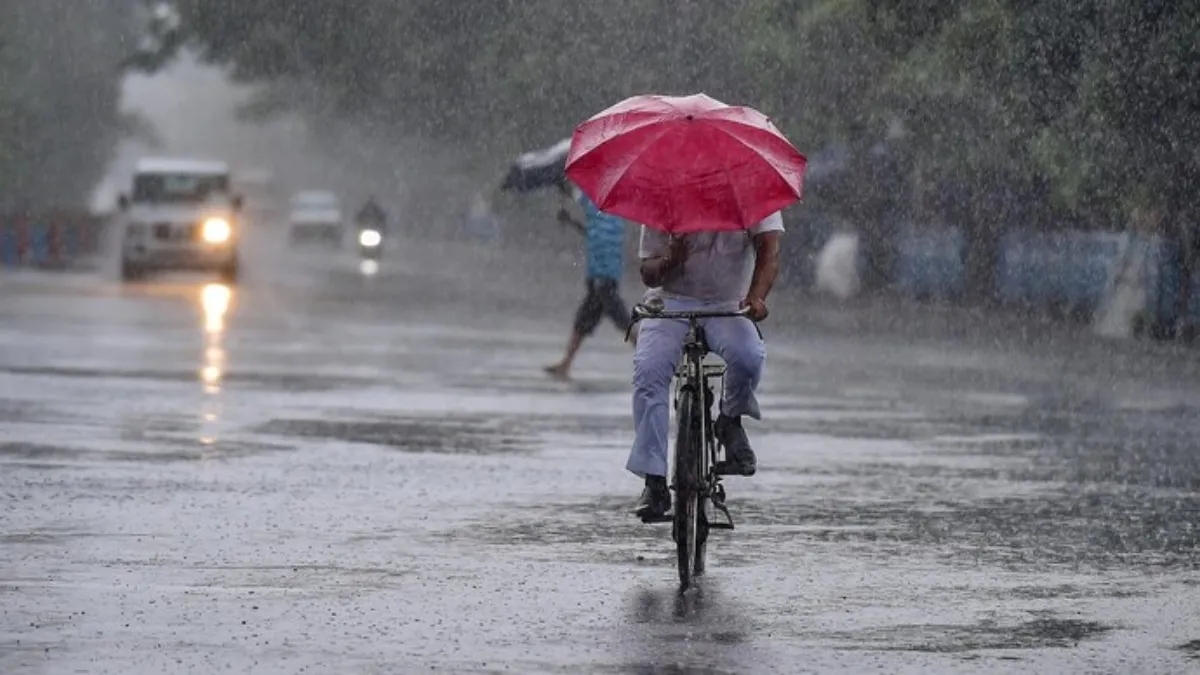
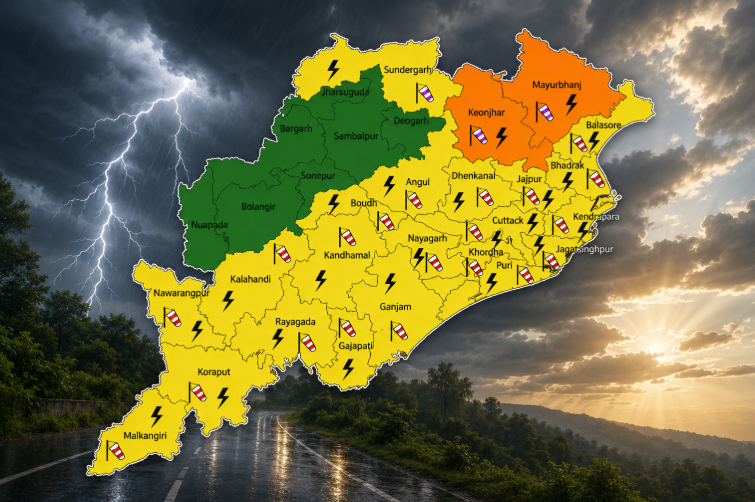
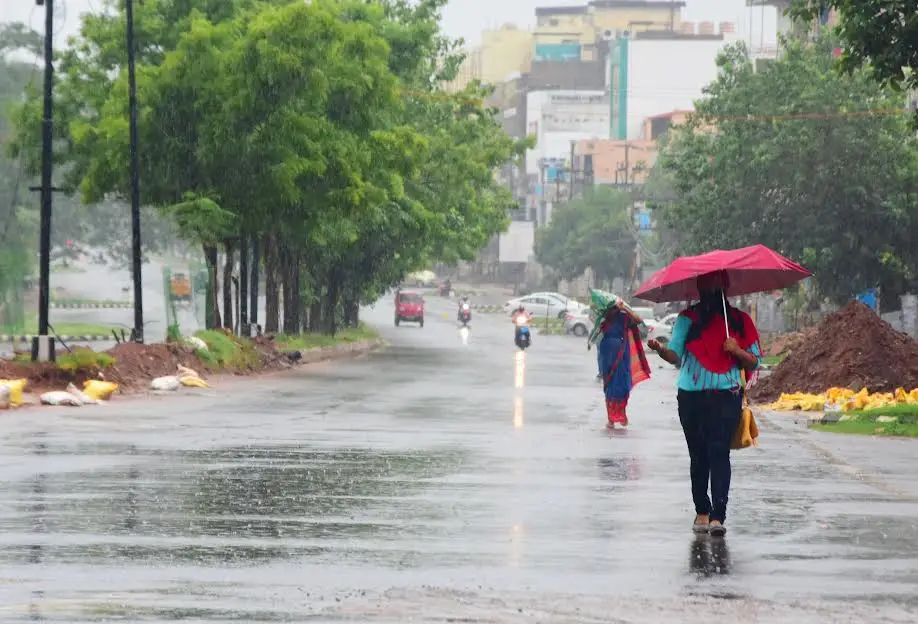
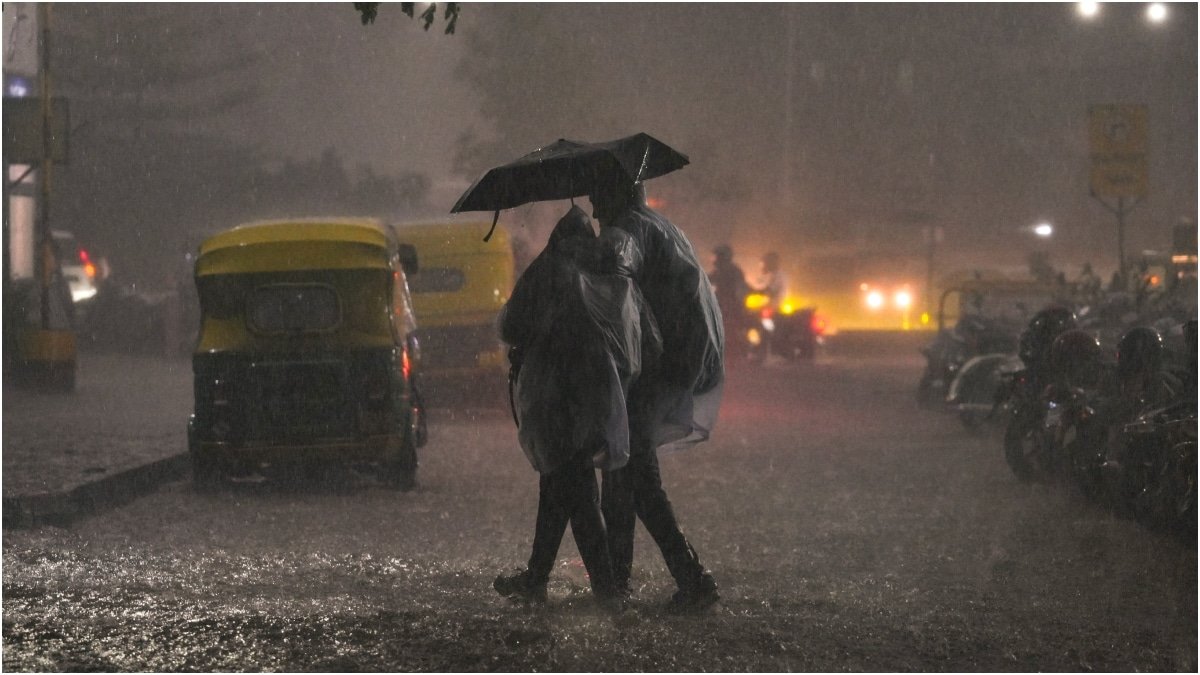
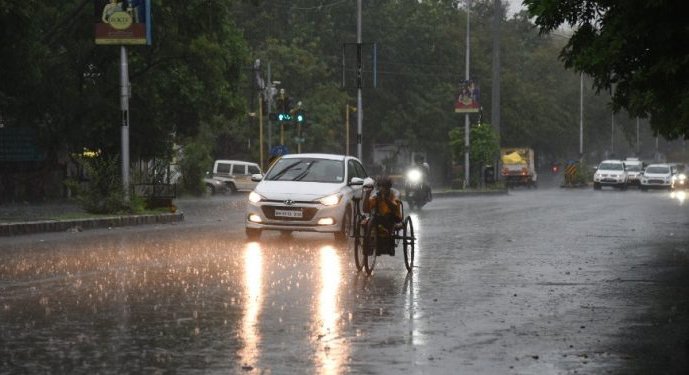
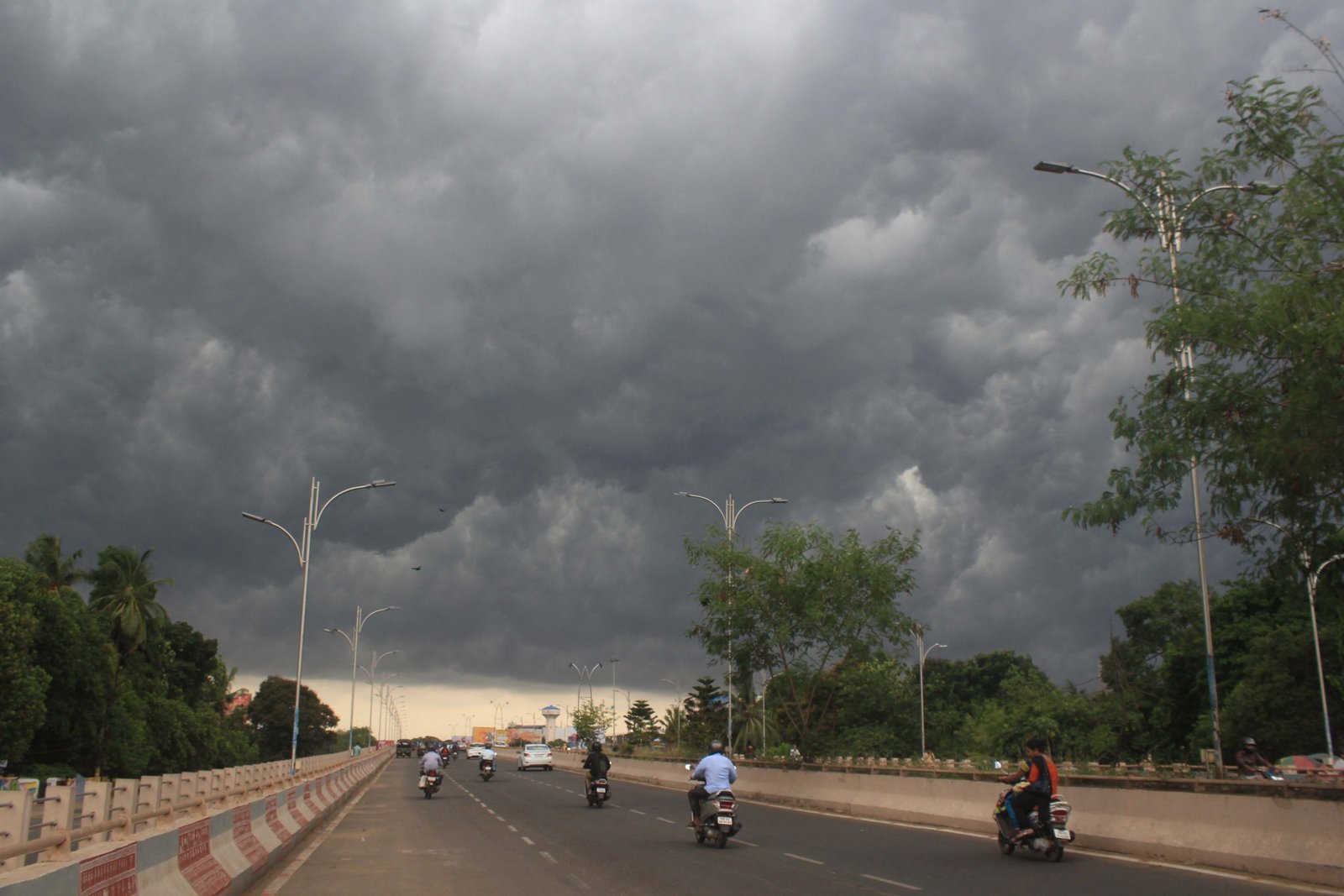
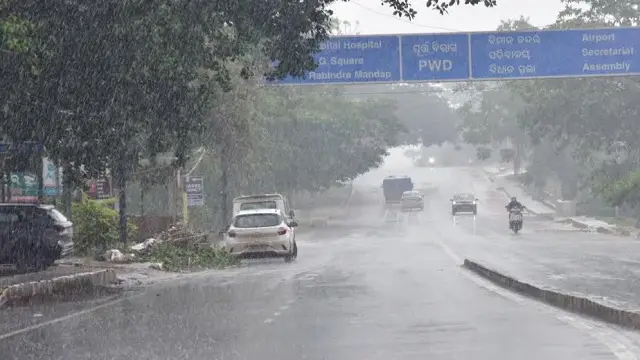
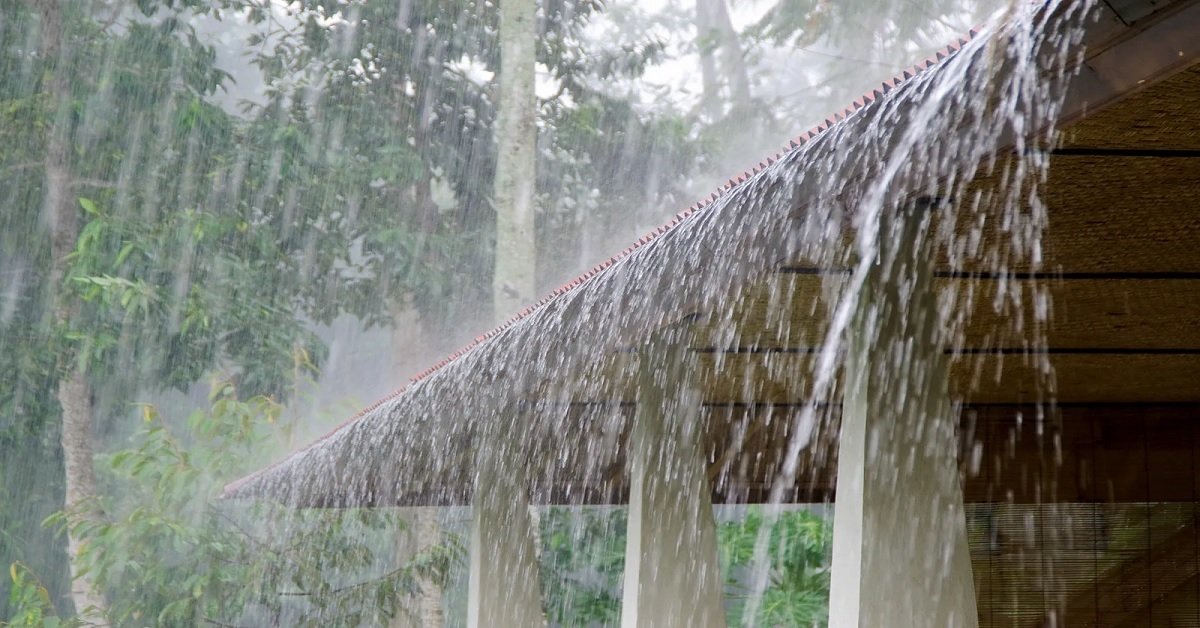
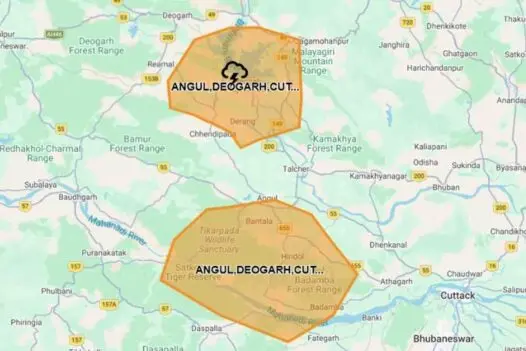
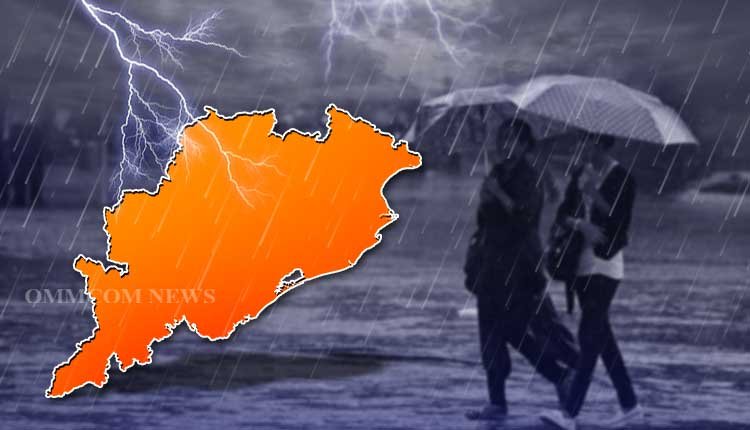
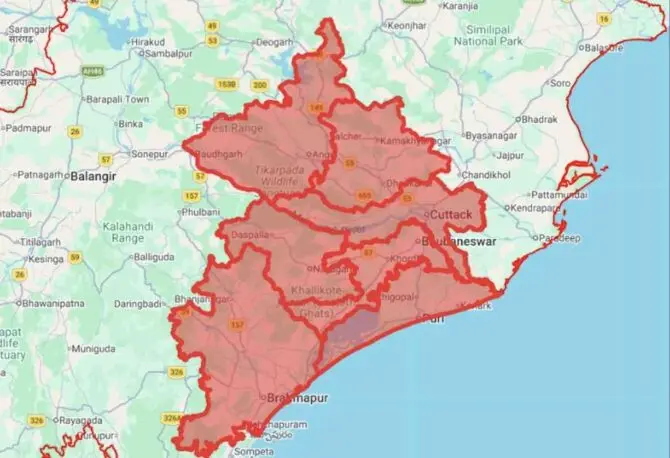
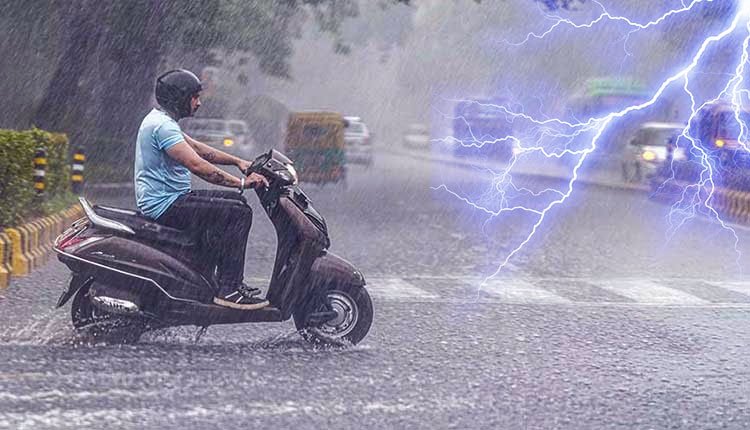
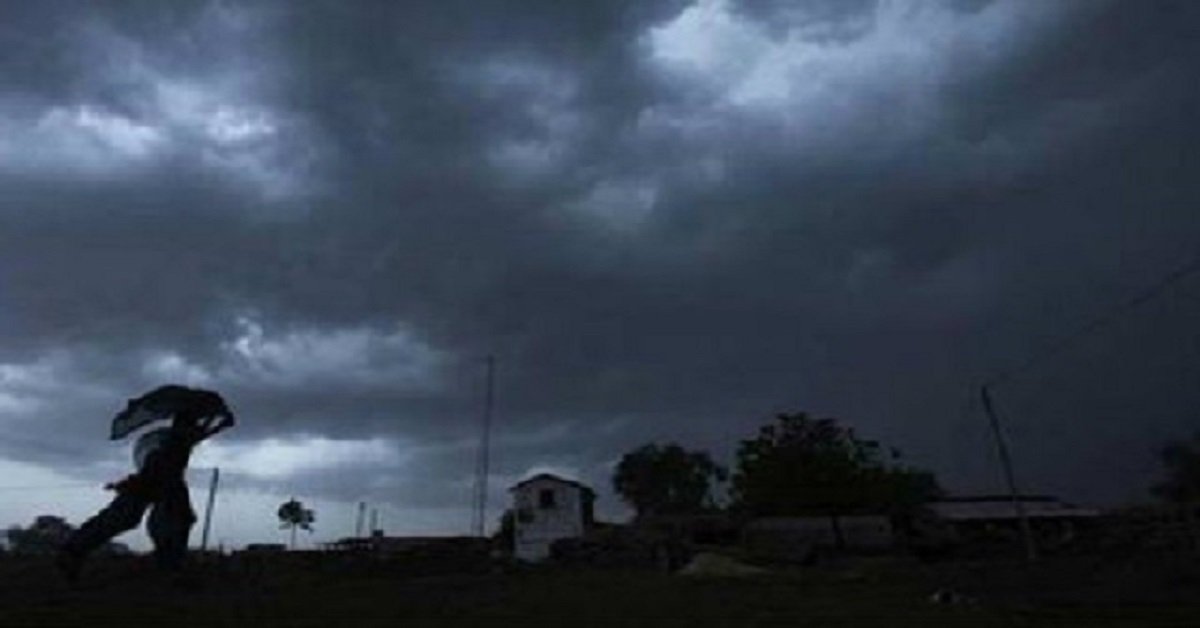
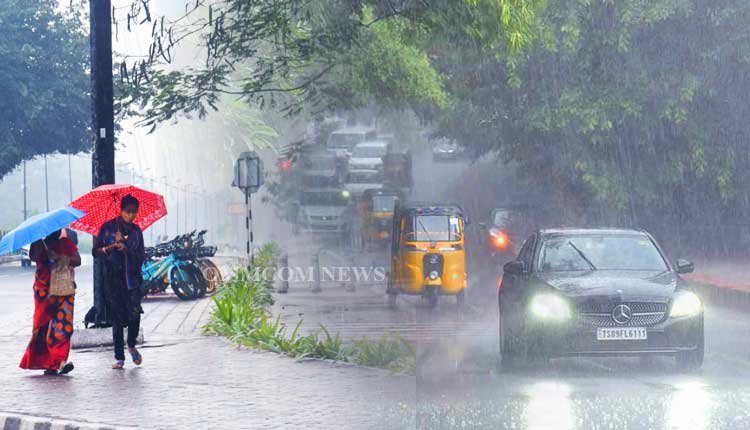
The IMD has issued a warning for heavy rain throughout the state on Friday, with particularly severe rainfall anticipated in coastal Odisha. An orange alert has been declared for the Mayurbhanj district, predicting heavy to very heavy rain. Yellow alerts for heavy rainfall have been issued for Balasore, Bhadrak, Jajpur, Cuttack, Sundargarh, Jharsuguda, Bargarh, Sambalpur, Deogarh, Angul, Dhenkanal, Keonjhar, Gajapati, and Ganjam districts.
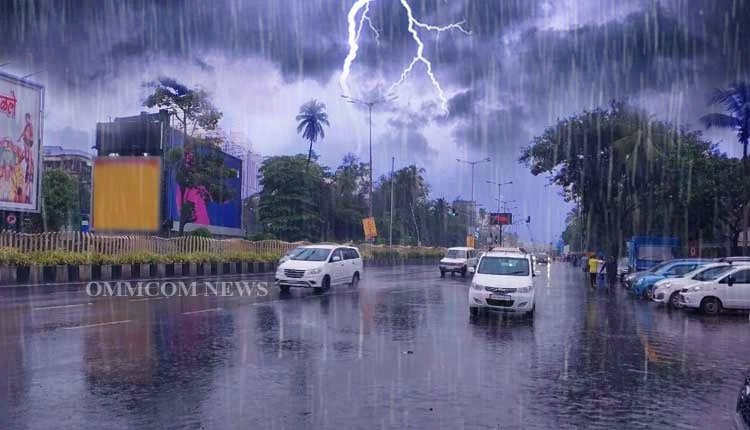
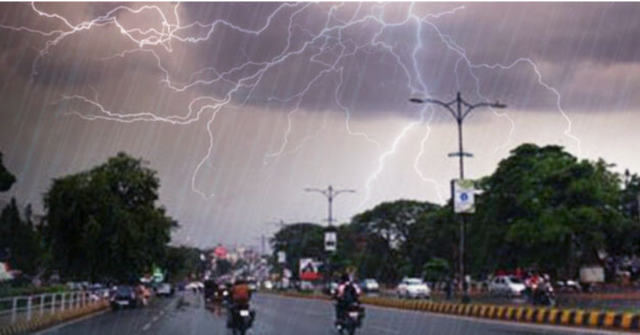
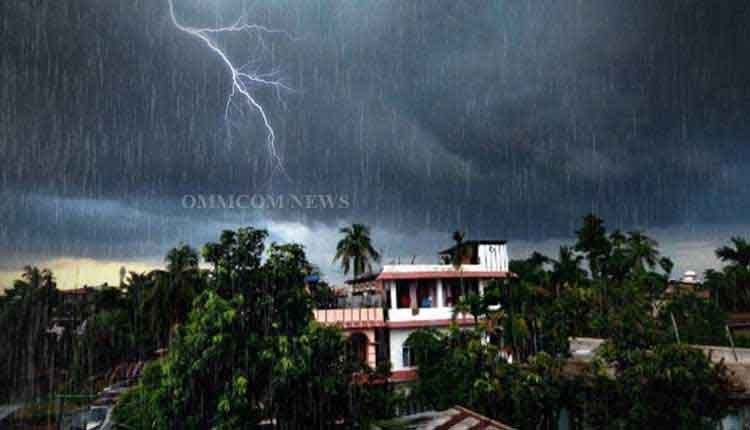
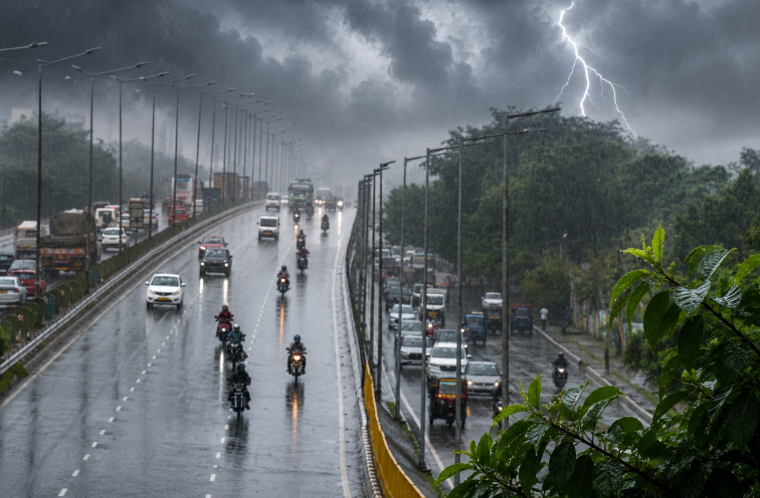
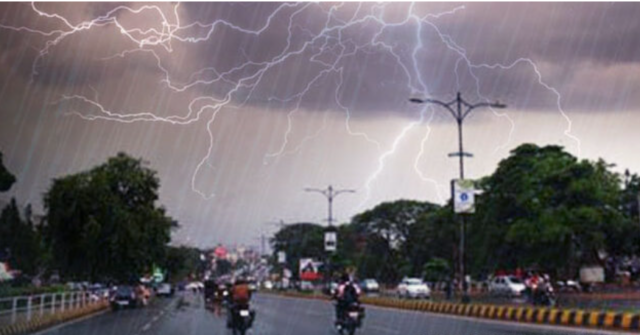
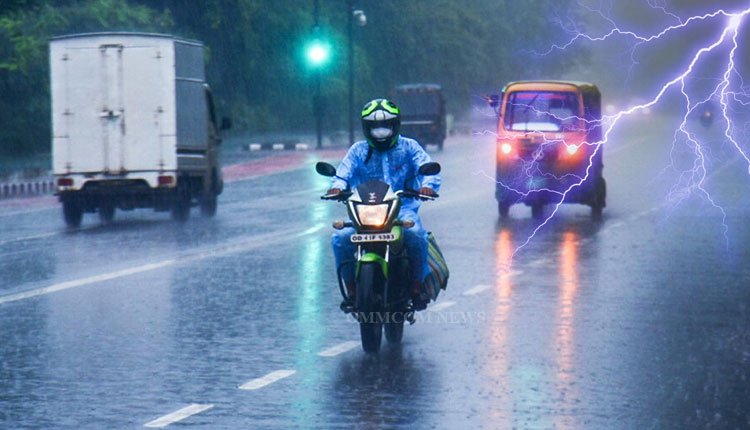
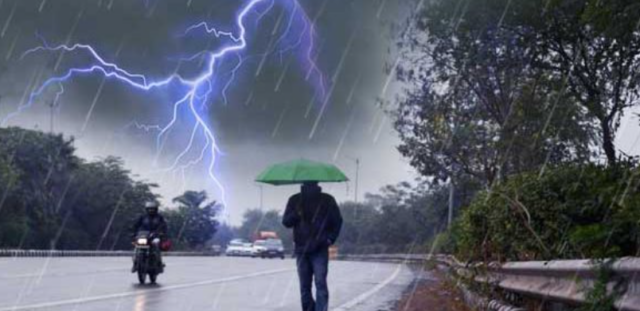
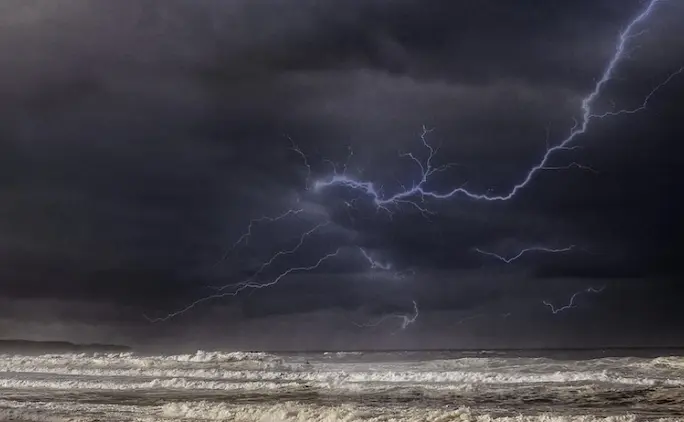
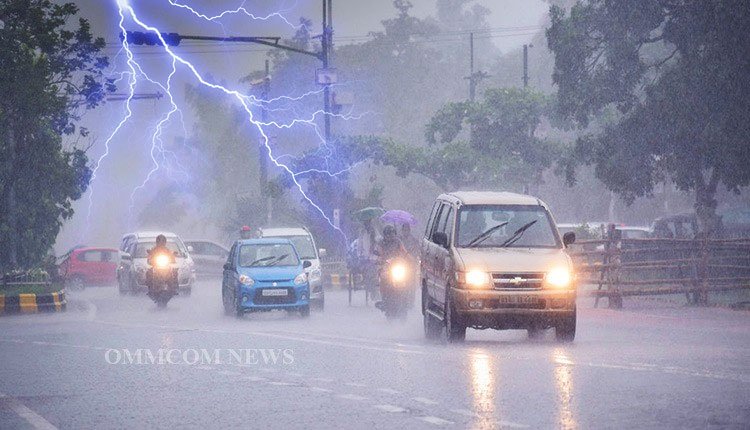
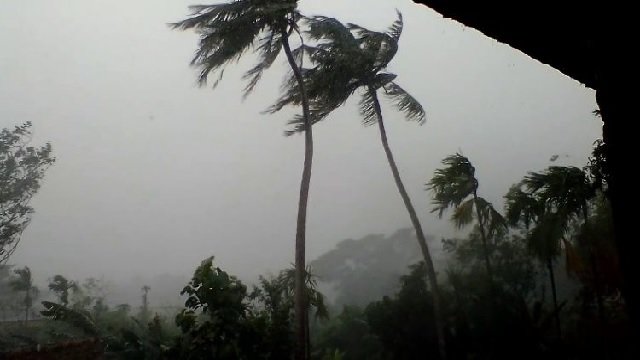
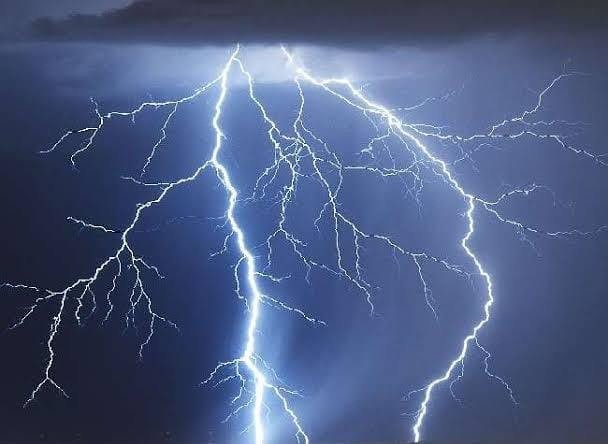
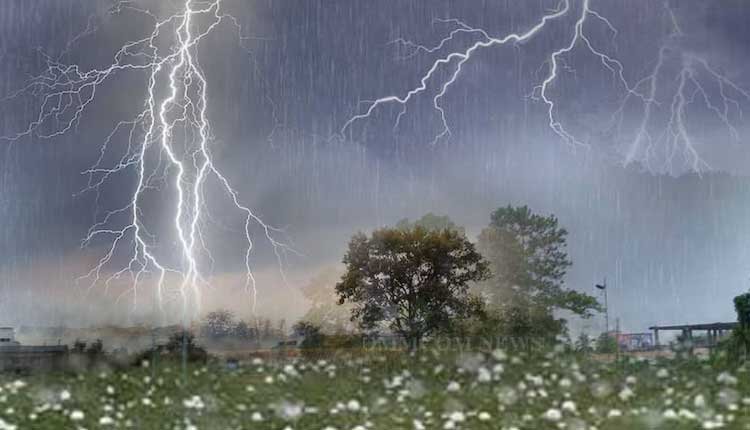
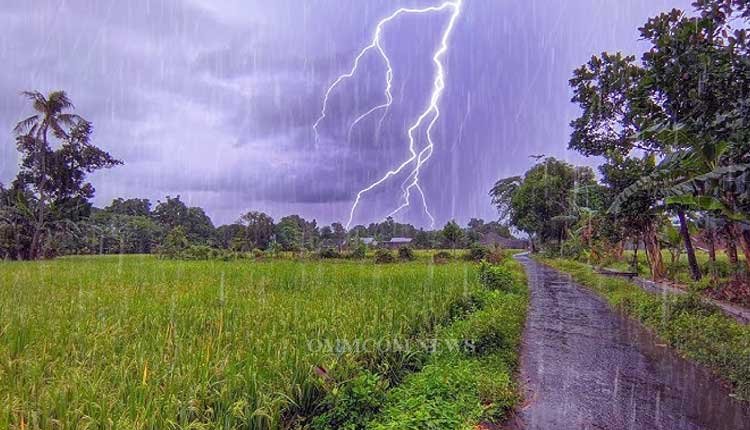
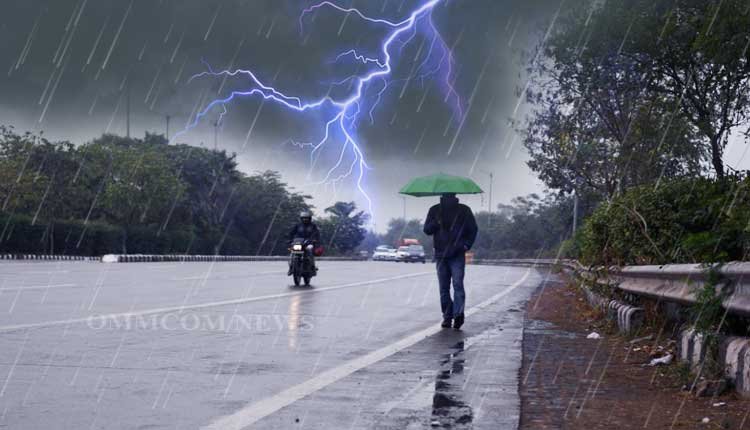
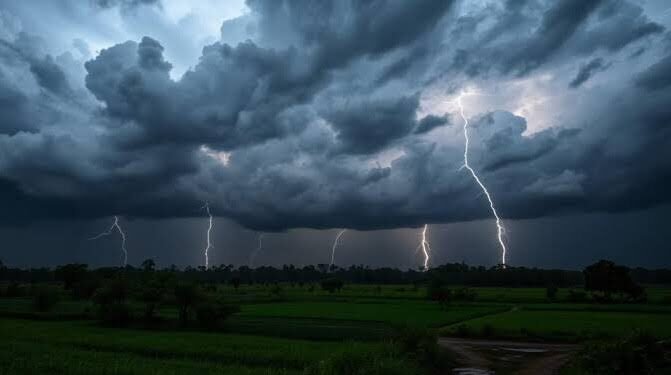
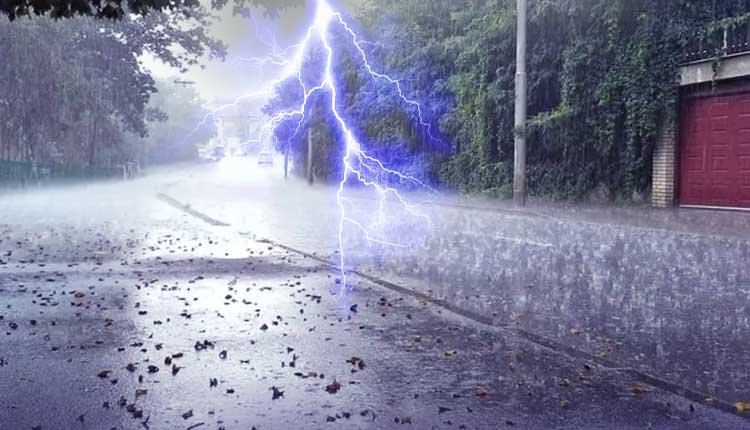
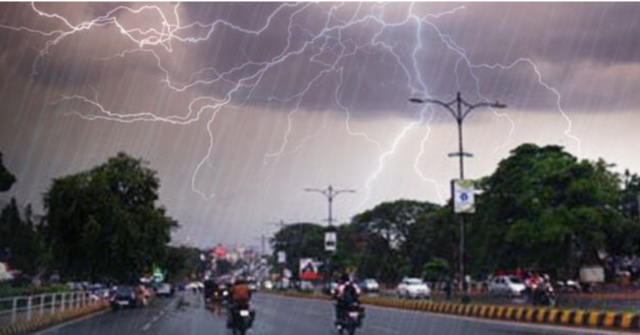
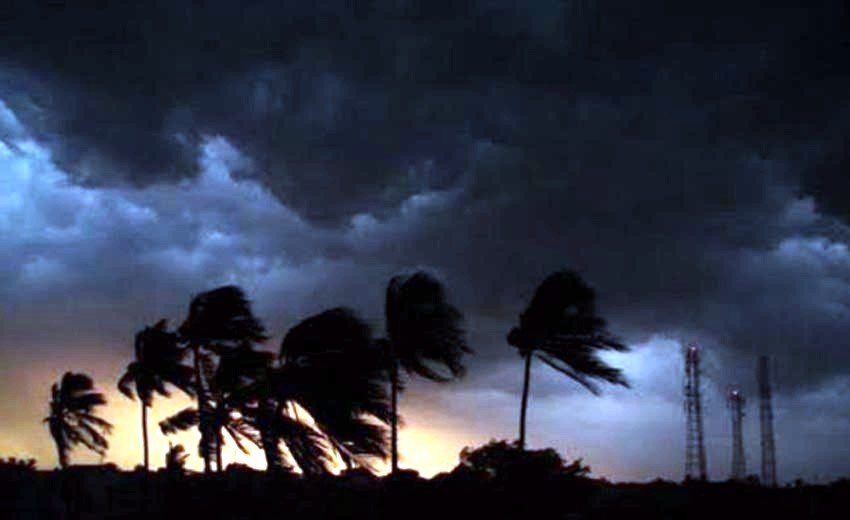
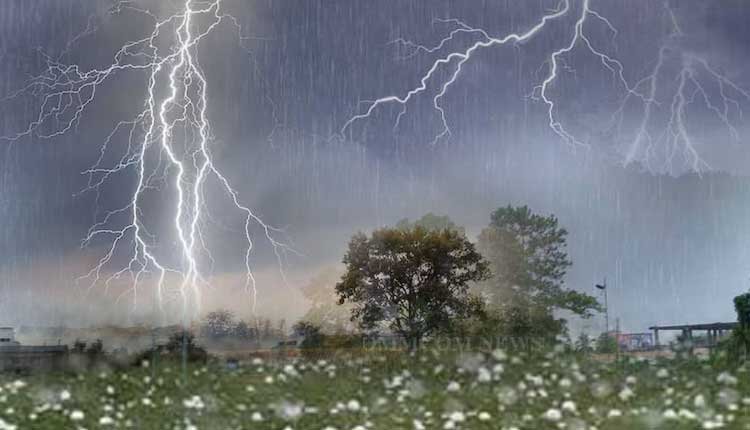
All districts in the state can expect thunderstorms accompanied by lightning and rain, with wind speeds projected between 30 and 40 kilometers per hour.
Meteorologists indicate that these weather conditions are likely to continue into next week. Residents, particularly in the districts under alert, are urged to remain vigilant and take appropriate precautions.
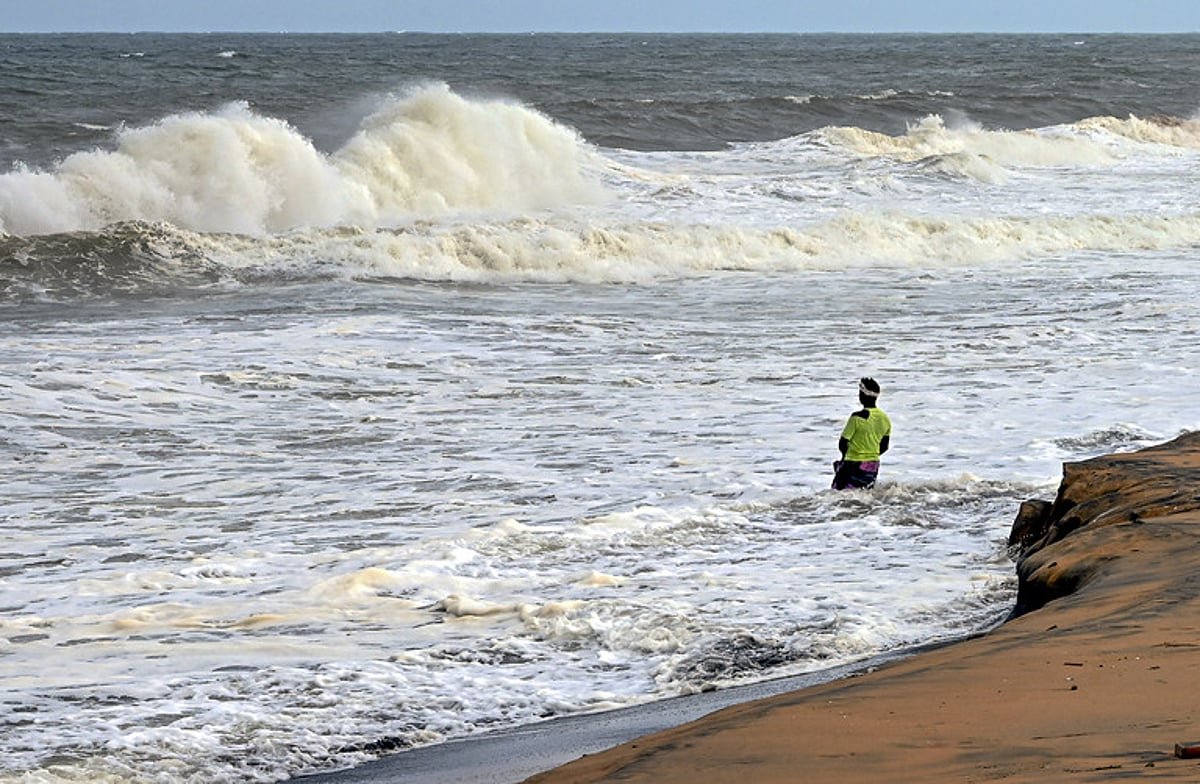
Weather scientist Sarat Sahu mentioned that the cyclonic circulation could evolve into a low-pressure area over the northwest Bay of Bengal by August 9. There is also a possibility that it may strengthen into a depression around August 11-12. Due to these developments, southern and coastal Odisha are expected to experience increased rainfall from August 8 to August 11, with further escalation in precipitation anticipated over northern, western, and coastal regions starting August 12.