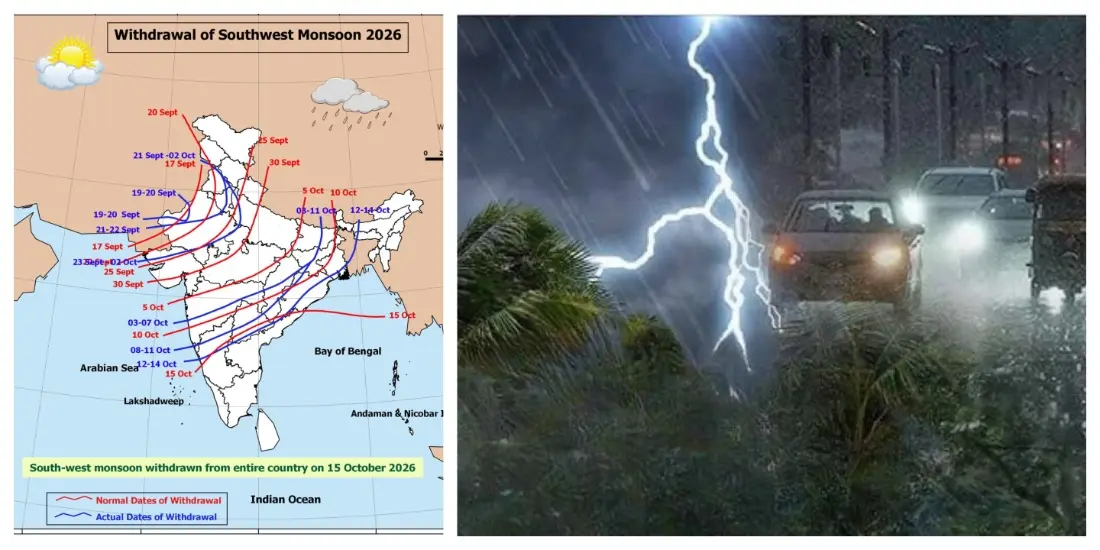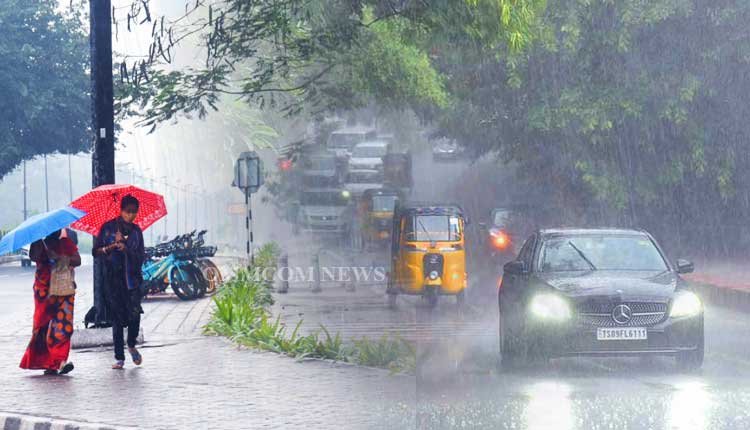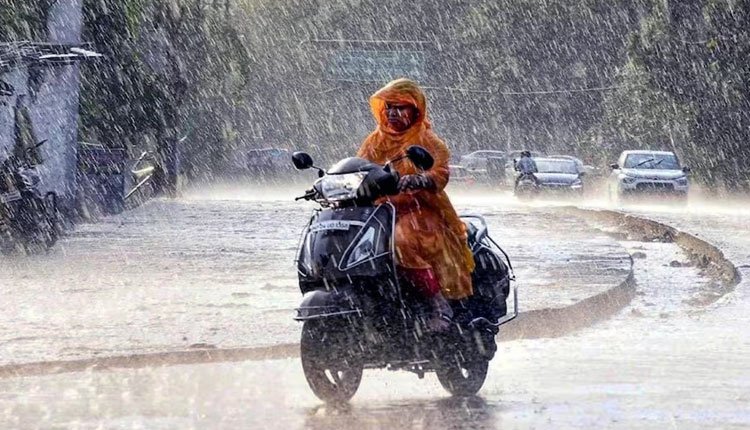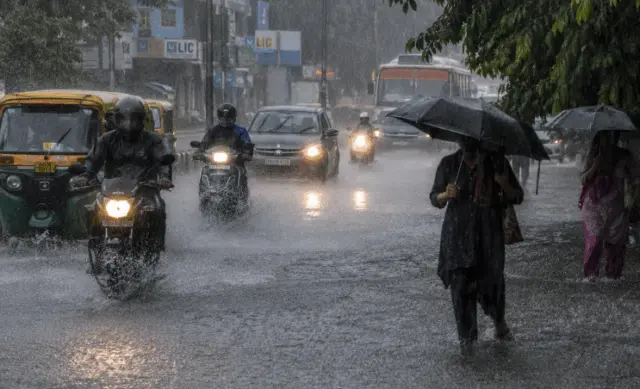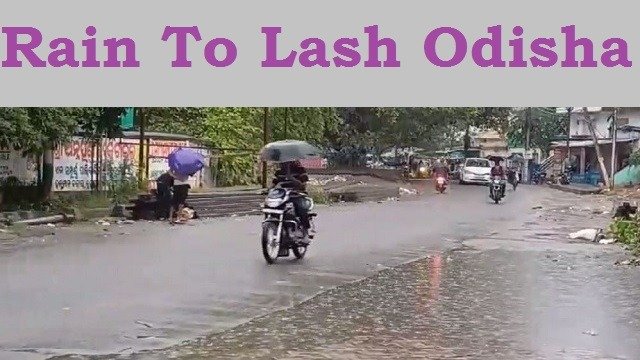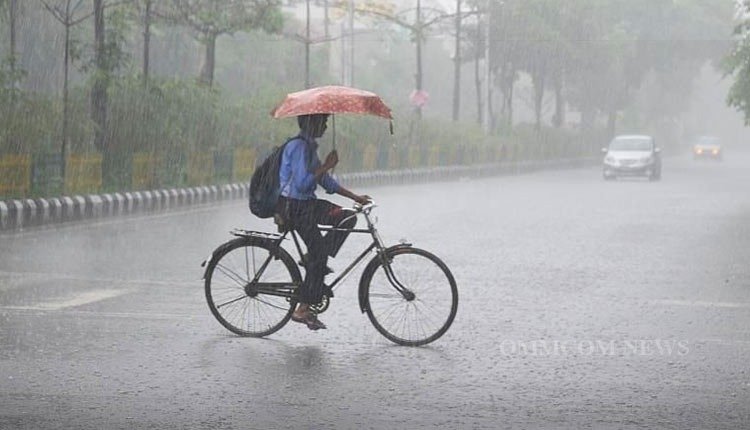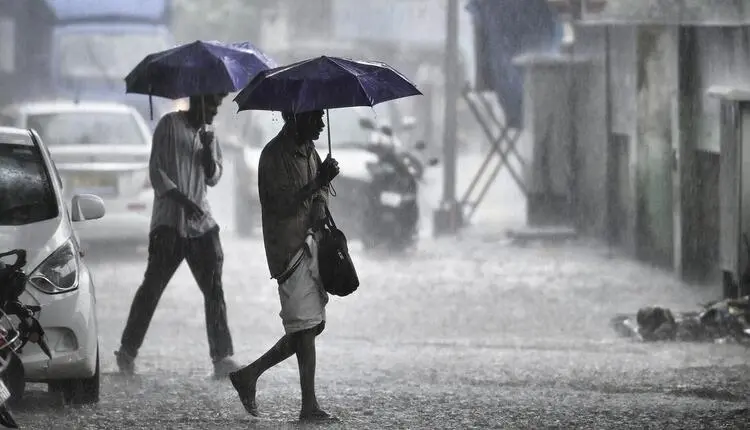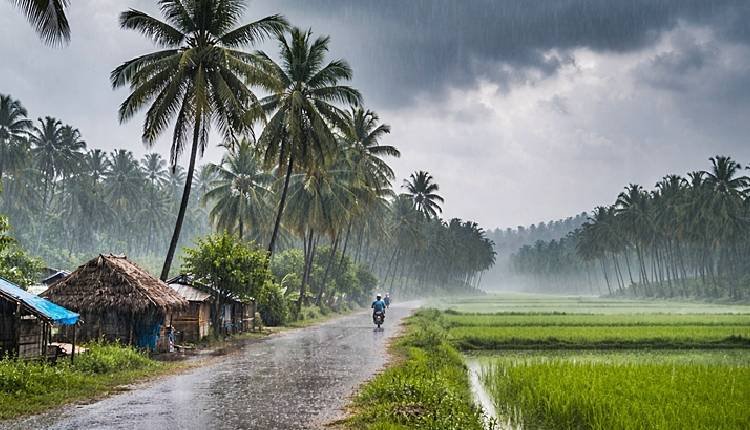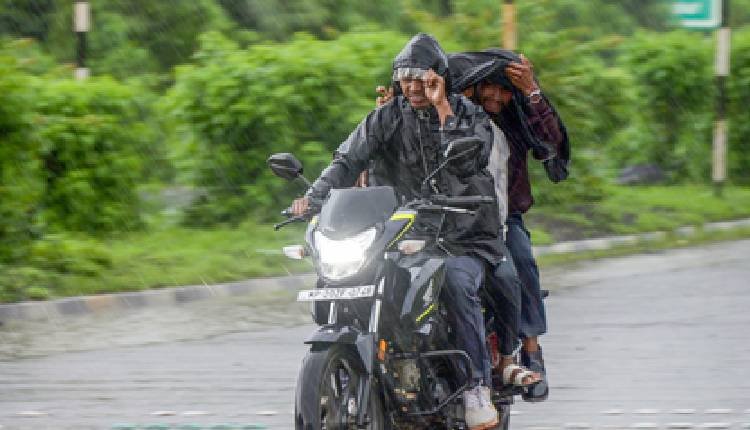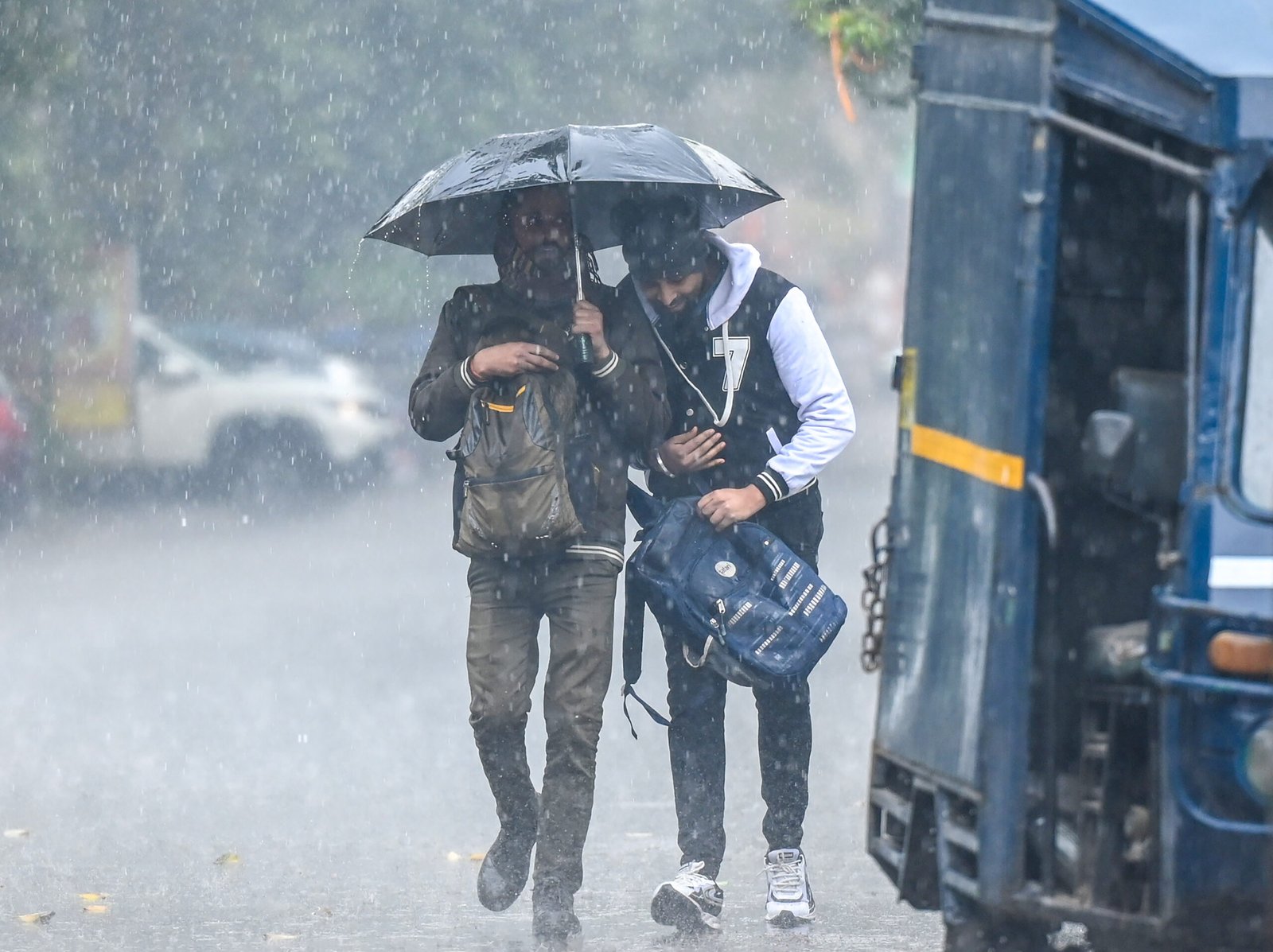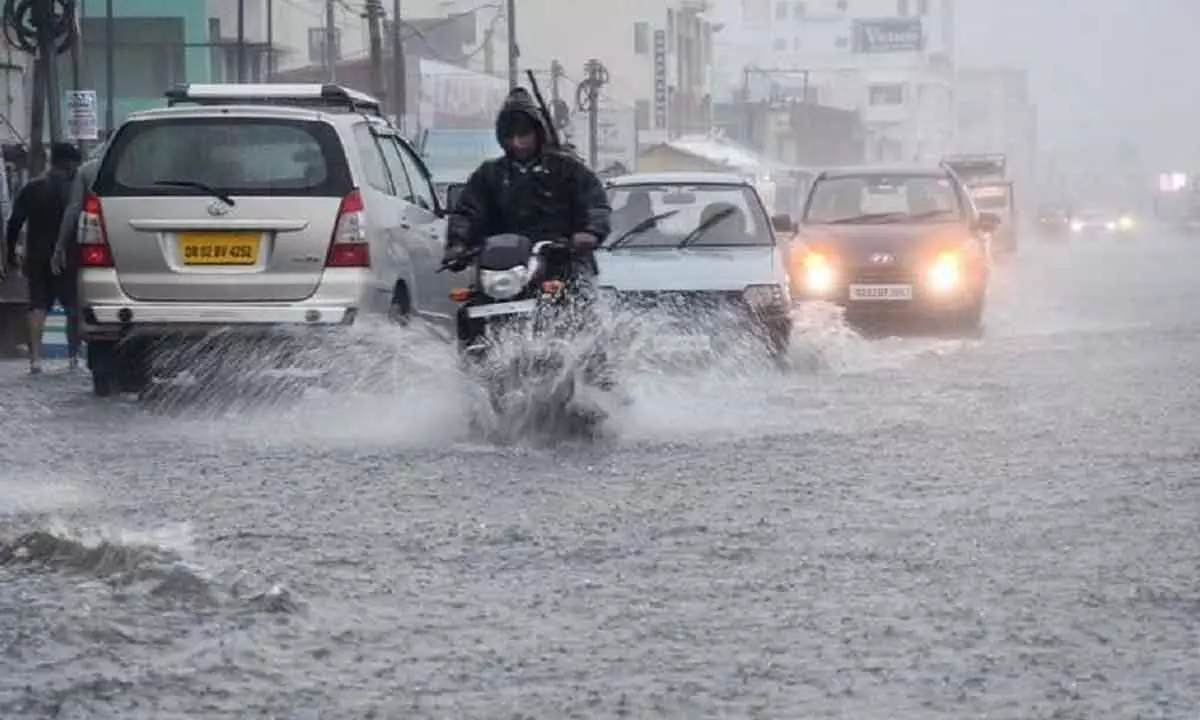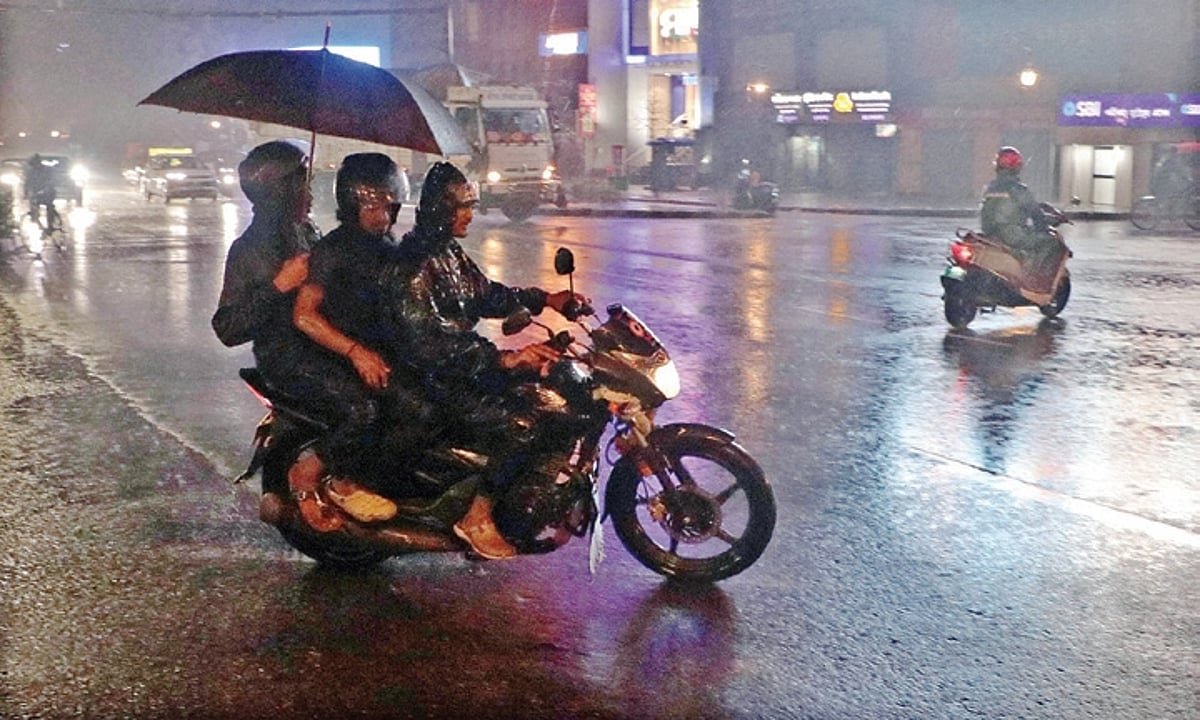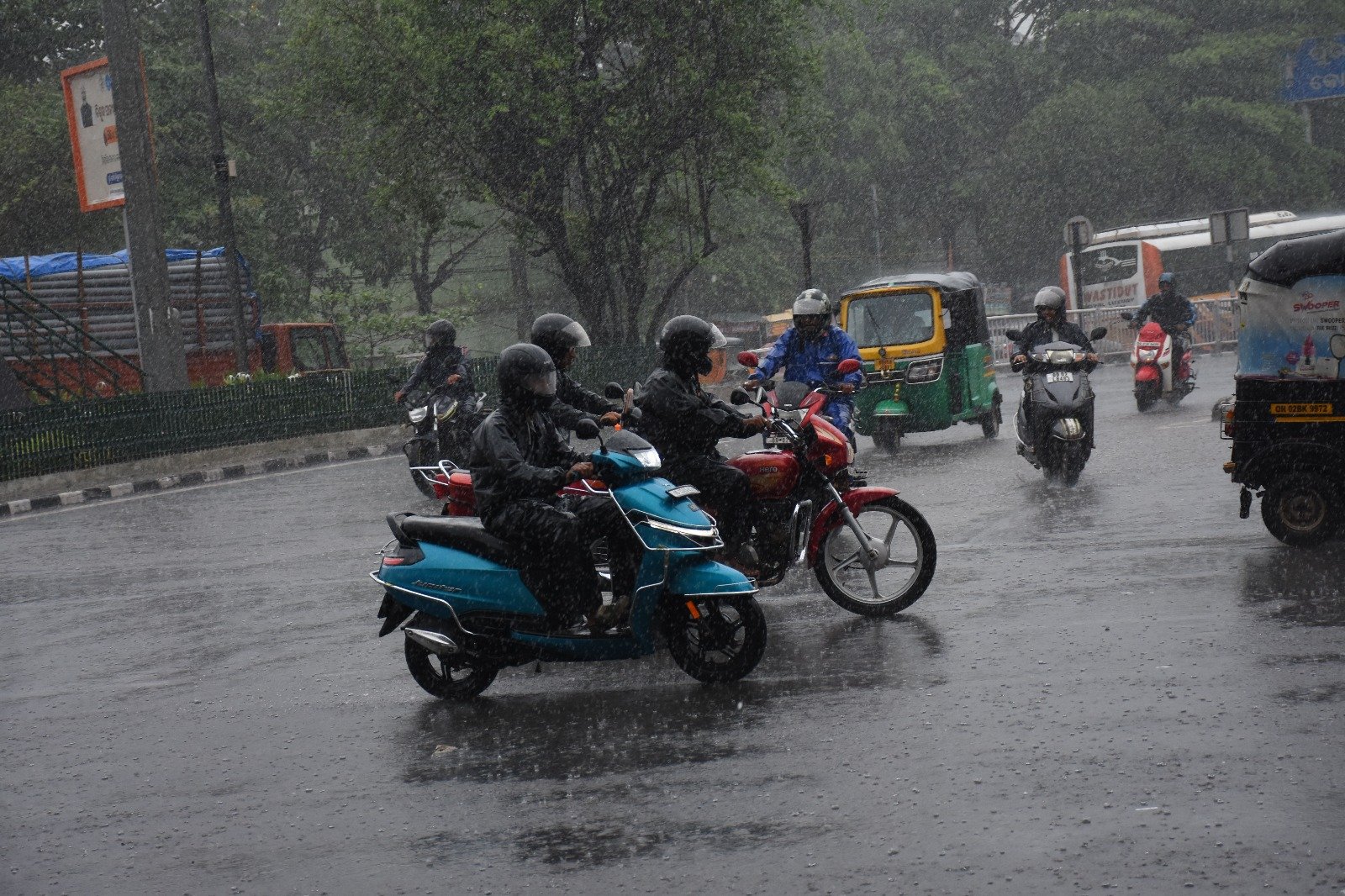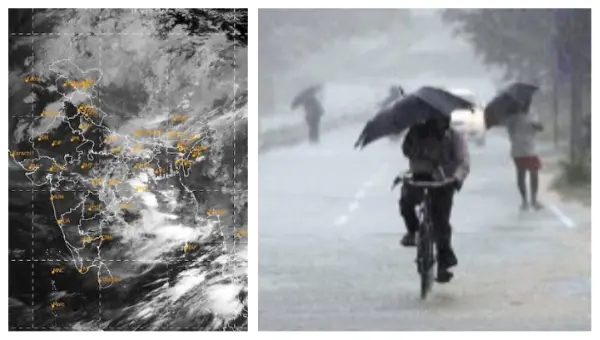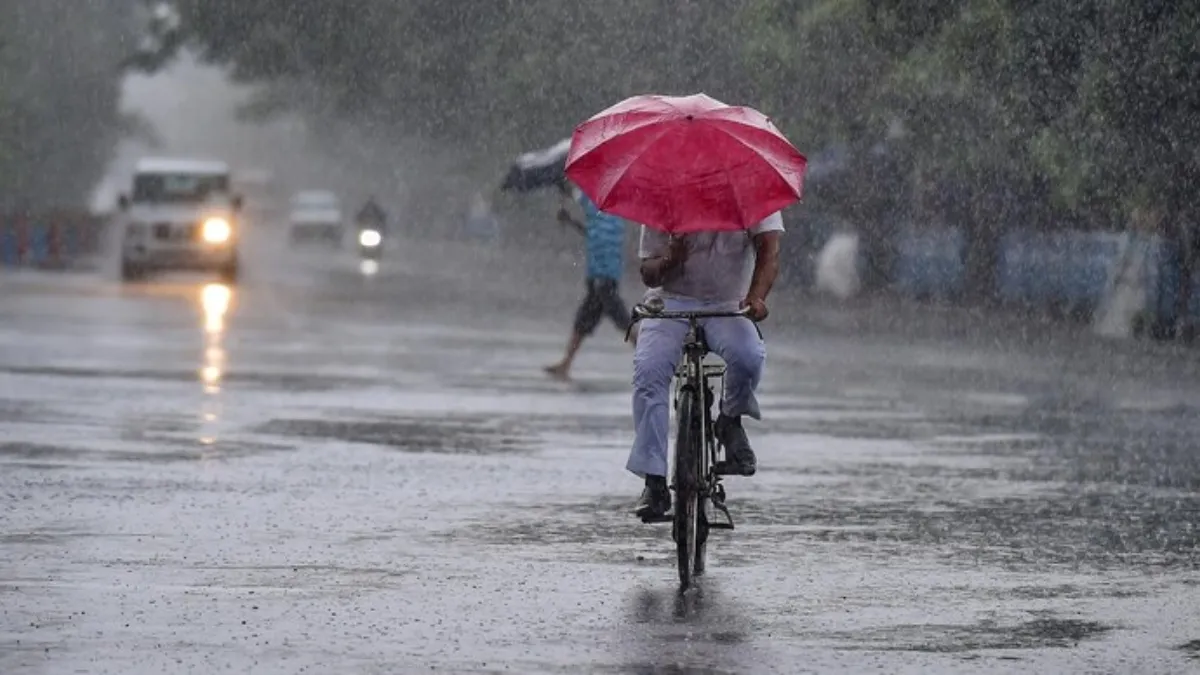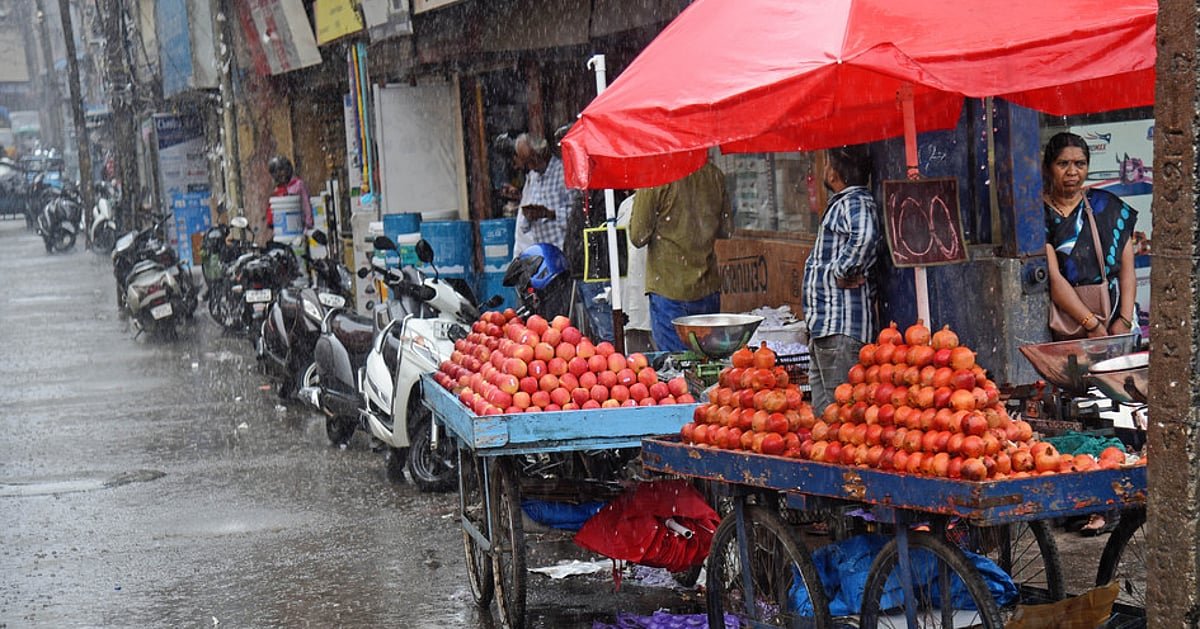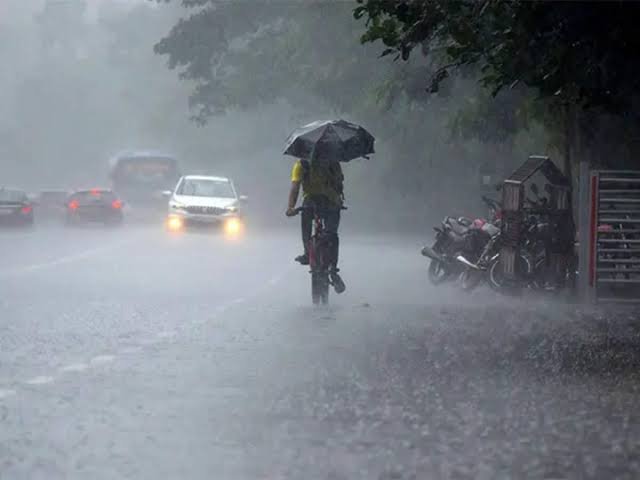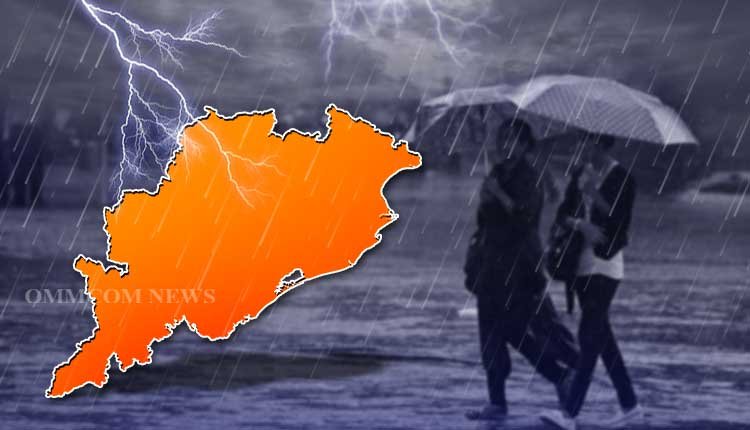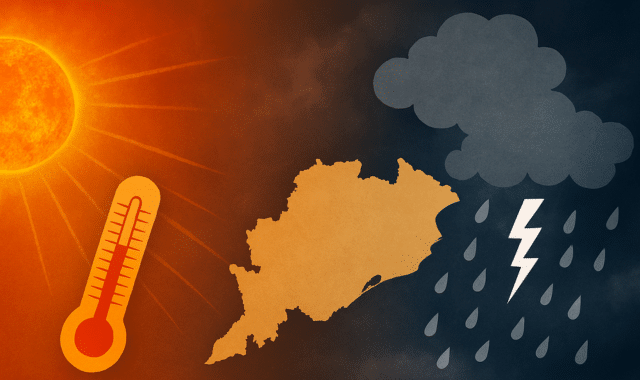

The southwest monsoon’s withdrawal from Odisha is progressing as the weather department confirms its complete departure from ten districts across the region.
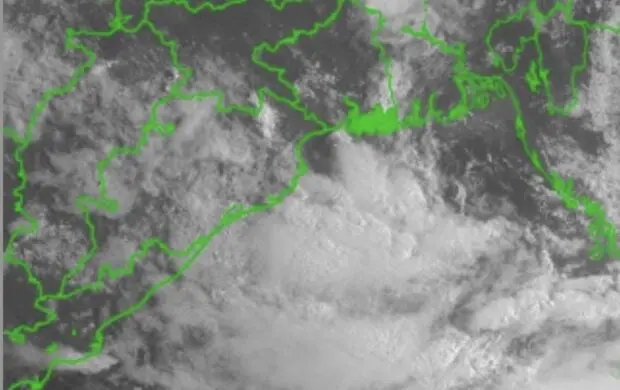
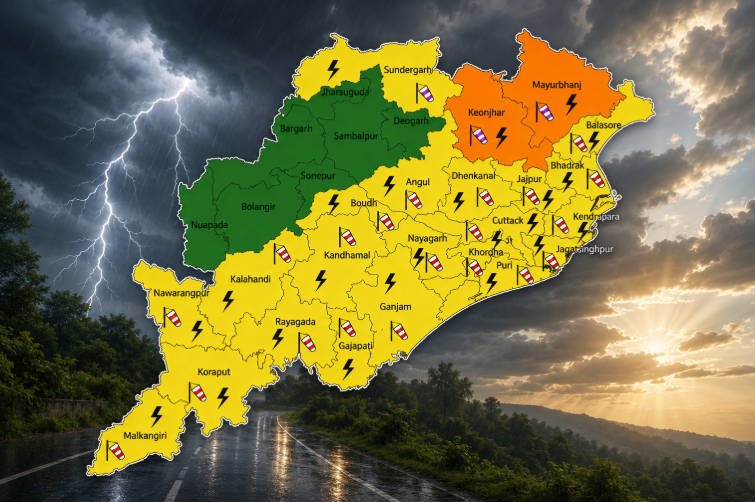
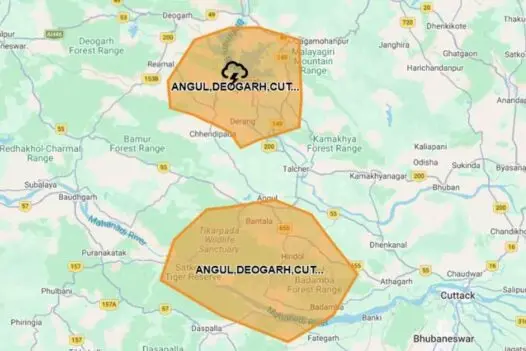
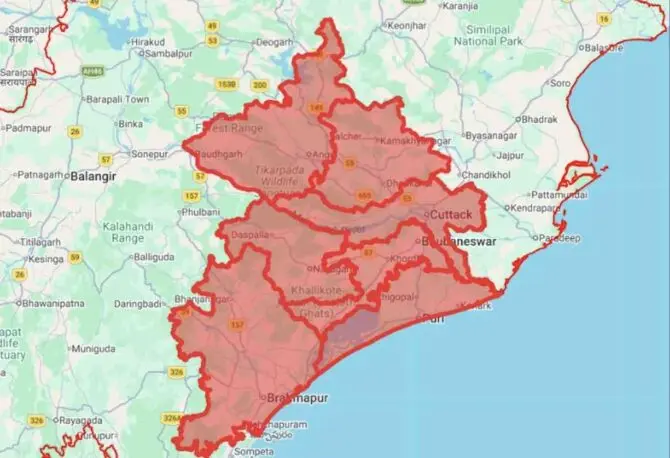
As reported by the Meteorological Centre, the monsoon has fully retreated from Sundargarh, Jharsuguda, Sambalpur, Debagarh, Sonepur, Bargarh, Nuapada, Balangir, Kalahandi, and Nabarangpur. Additionally, significant portions of Mayurbhanj and Kendujhar have also seen the end of monsoon rains, while the withdrawal process has begun in parts of Angul, Boudh, Kandhamal, Dhenkanal, Rayagada, Koraput, and Malkangiri.
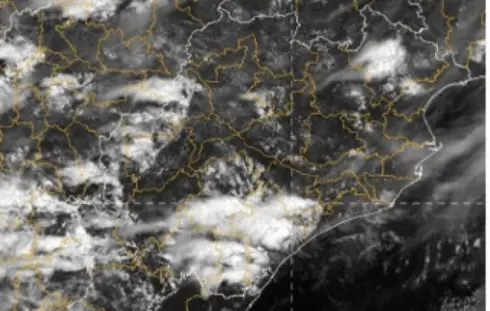
Currently, the monsoon withdrawal line traverses through Angul. Meteorological officials anticipate that the monsoon will fully withdraw from the remaining areas of the state and the country within the next two to three days.
Changing Weather & Early Winter Coolness
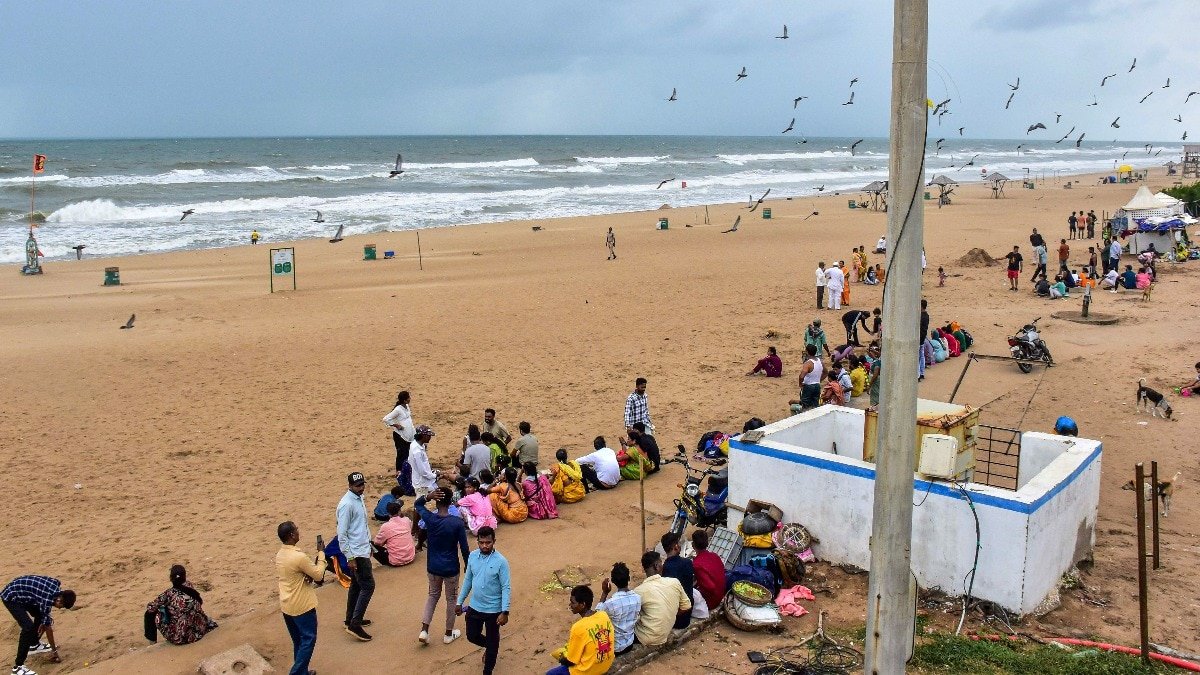
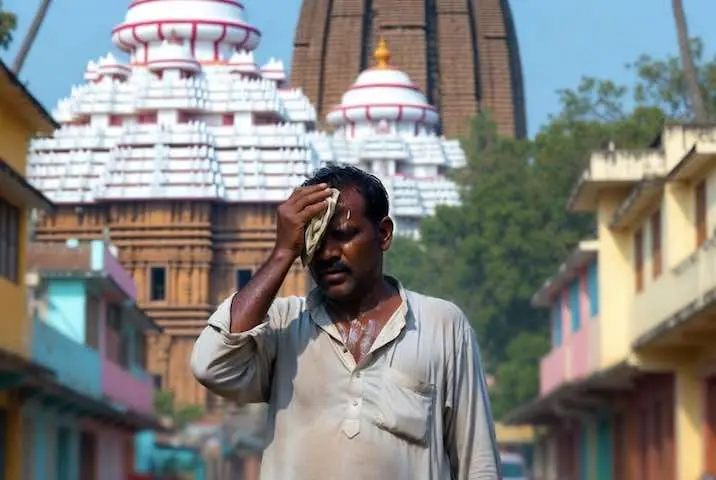
With predominantly clear skies and dry weather, a notable seasonal change is evident. Many regions in western and interior Odisha are experiencing completely dry conditions, while the early mornings and evenings are bringing a refreshing chill, indicating the arrival of winter.
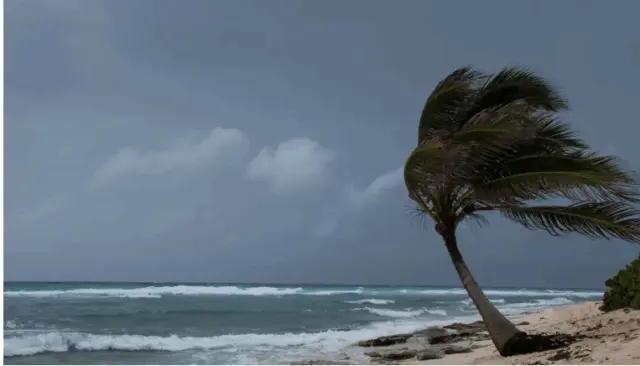
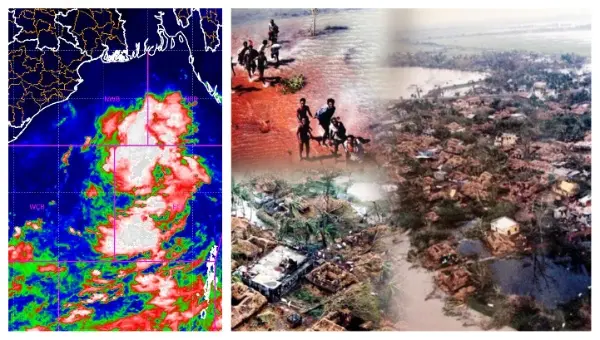
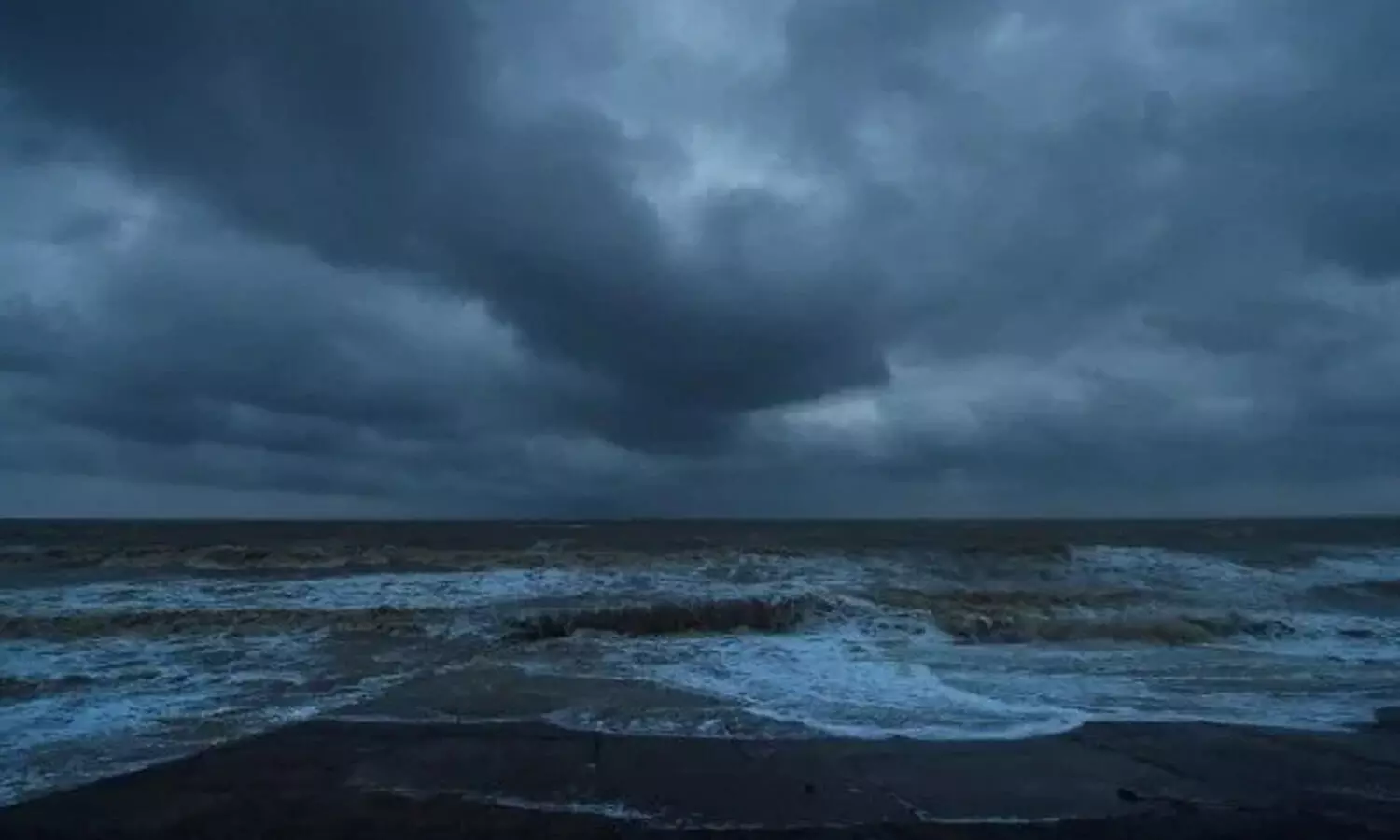
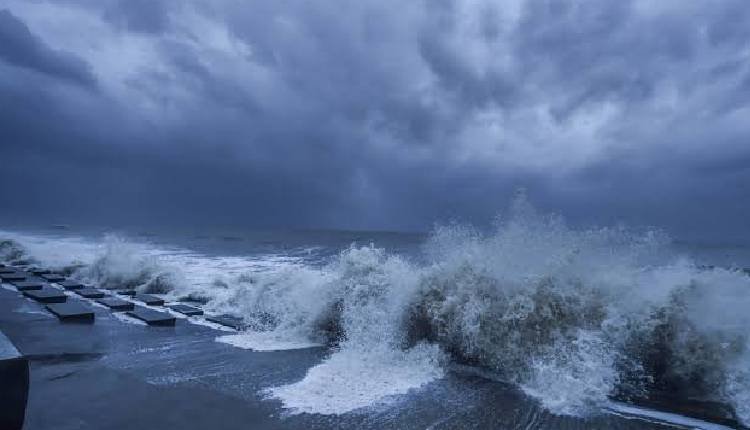
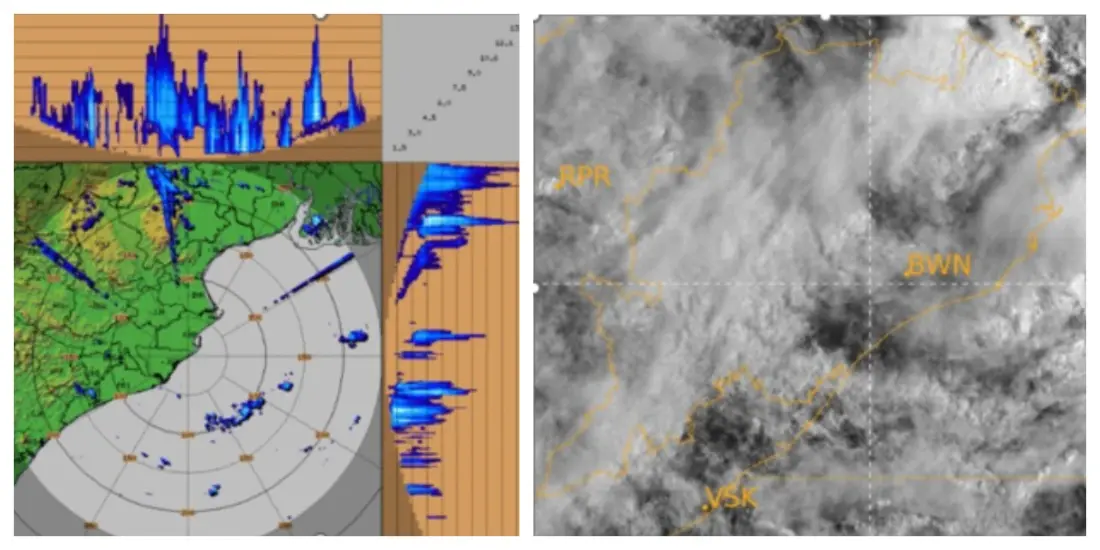
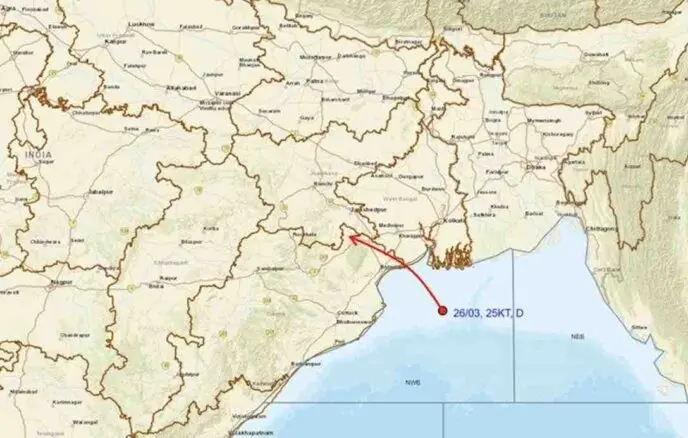
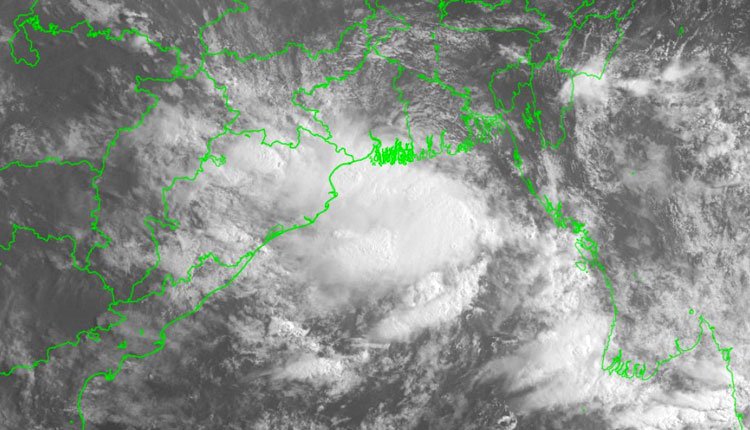
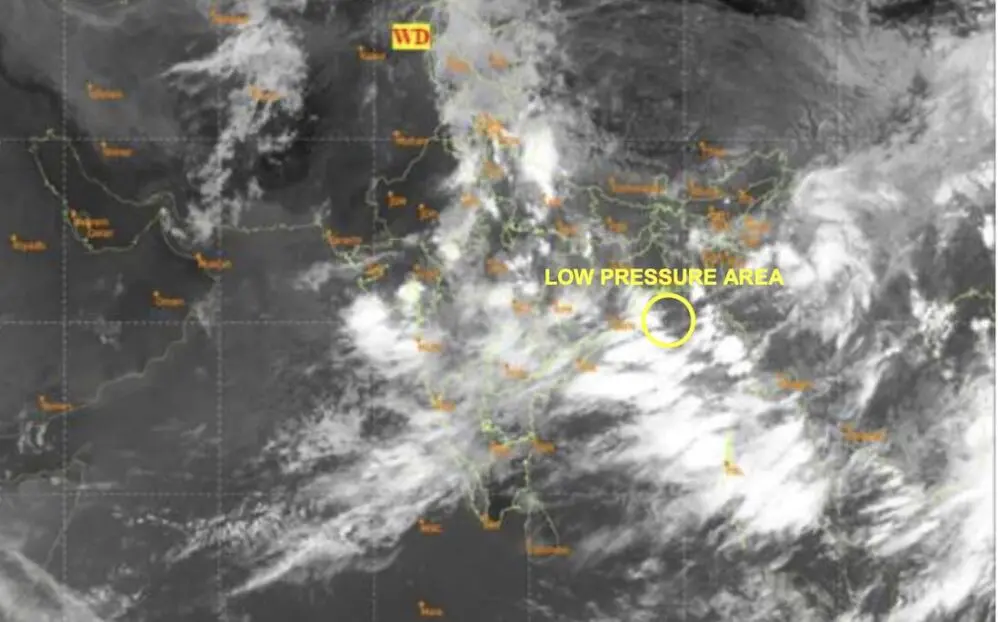
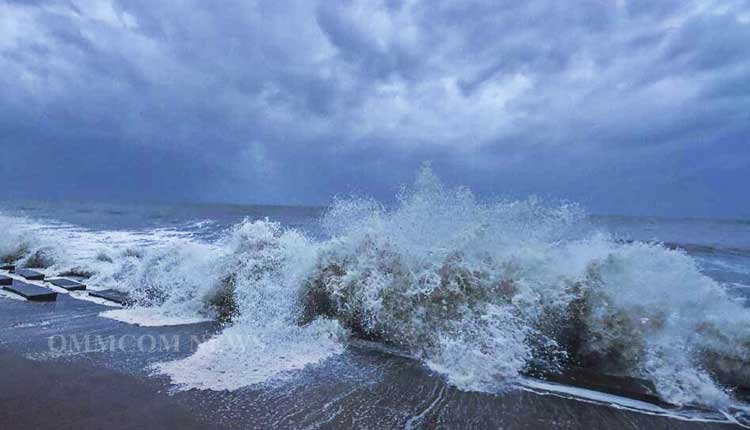
Additionally, a cyclonic circulation remains active over the south Andaman Sea and nearby regions, potentially leading to a low-pressure formation over the southeastern Bay of Bengal. However, due to unfavorable atmospheric and oceanic conditions, this system is expected to remain weak, with minimal direct effects on Odisha.
Regional Weather Forecast
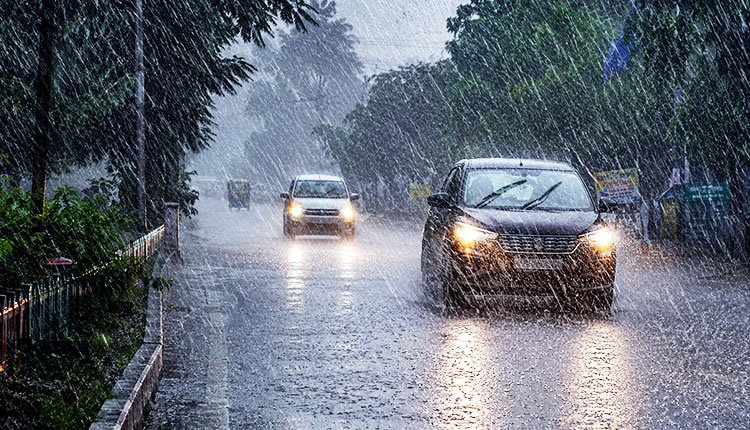
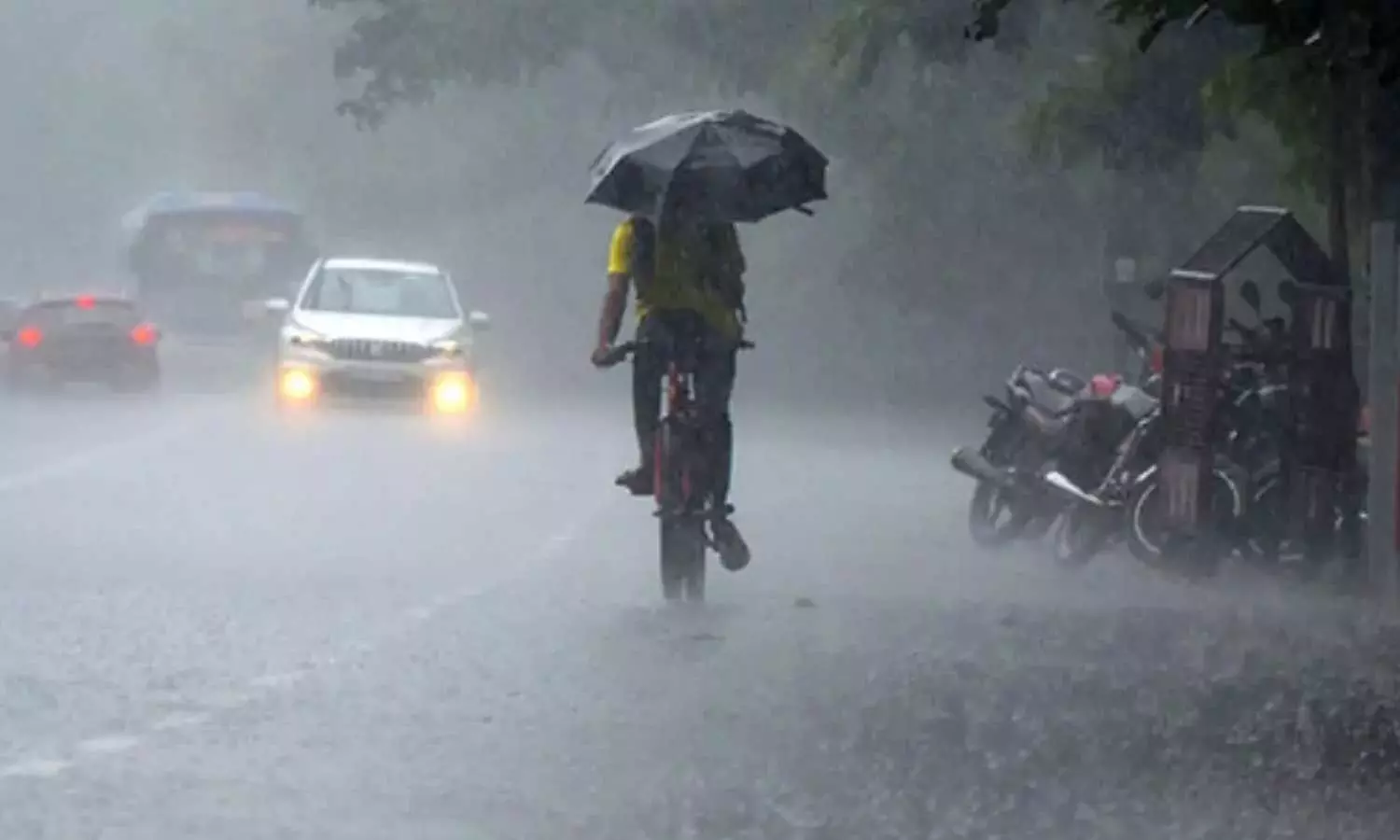
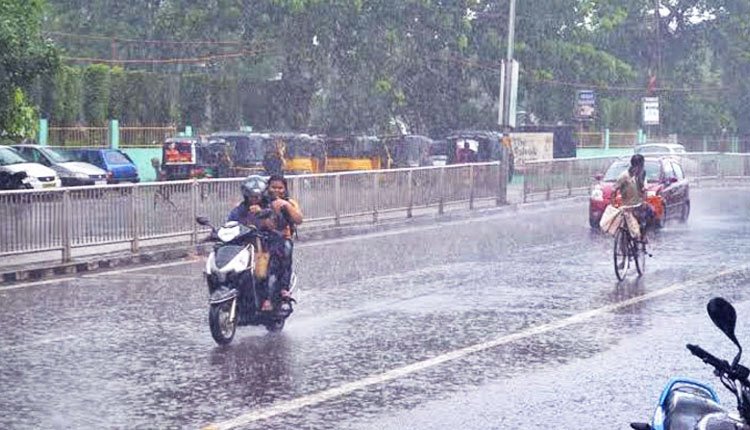
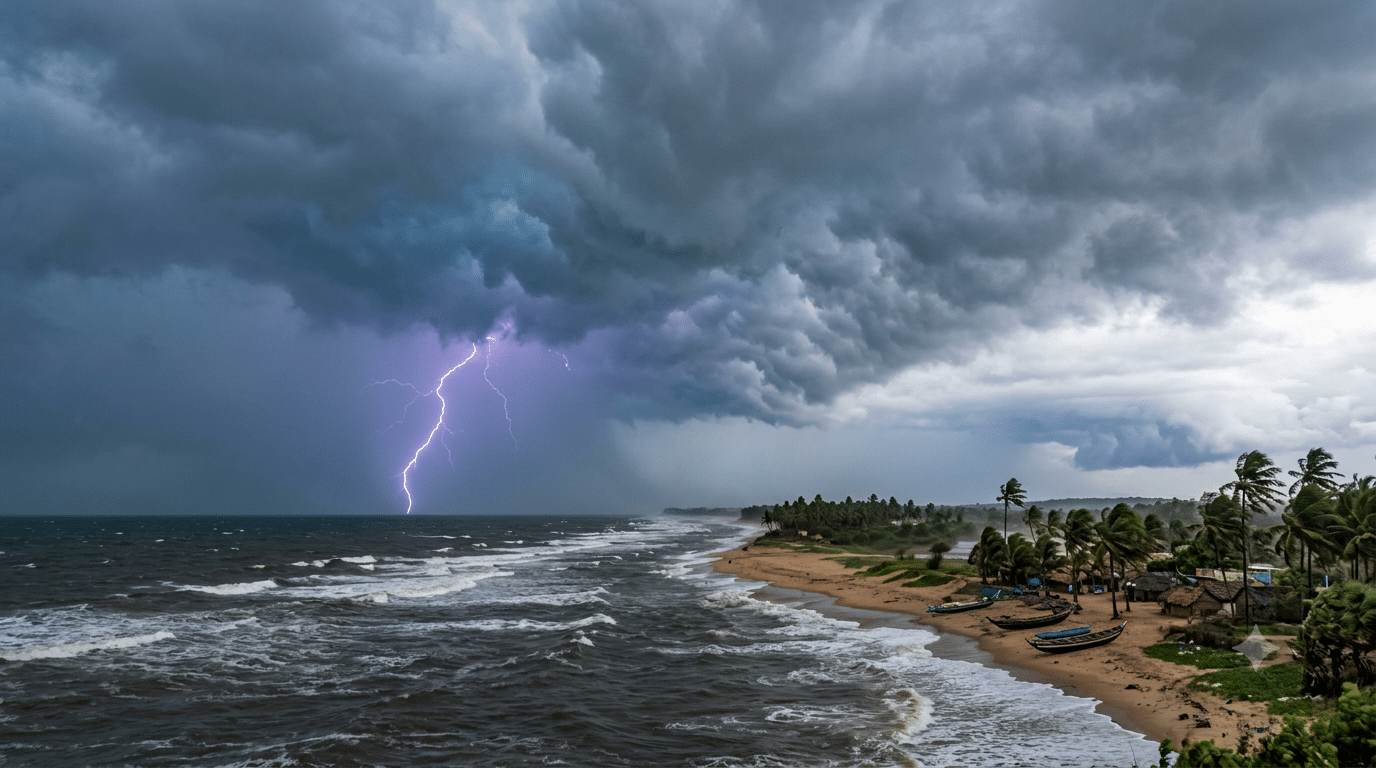
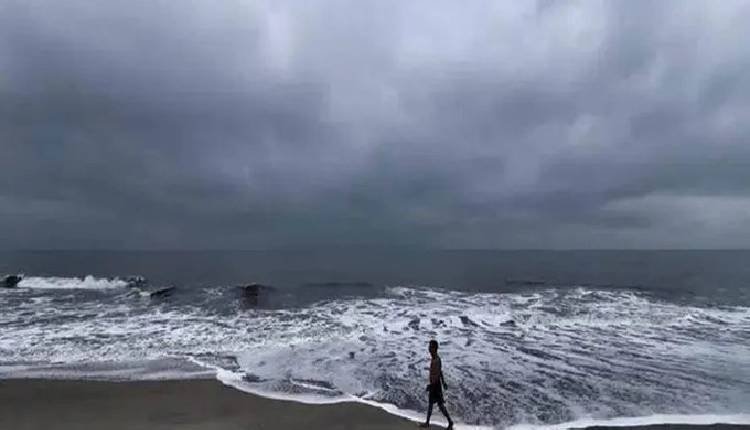
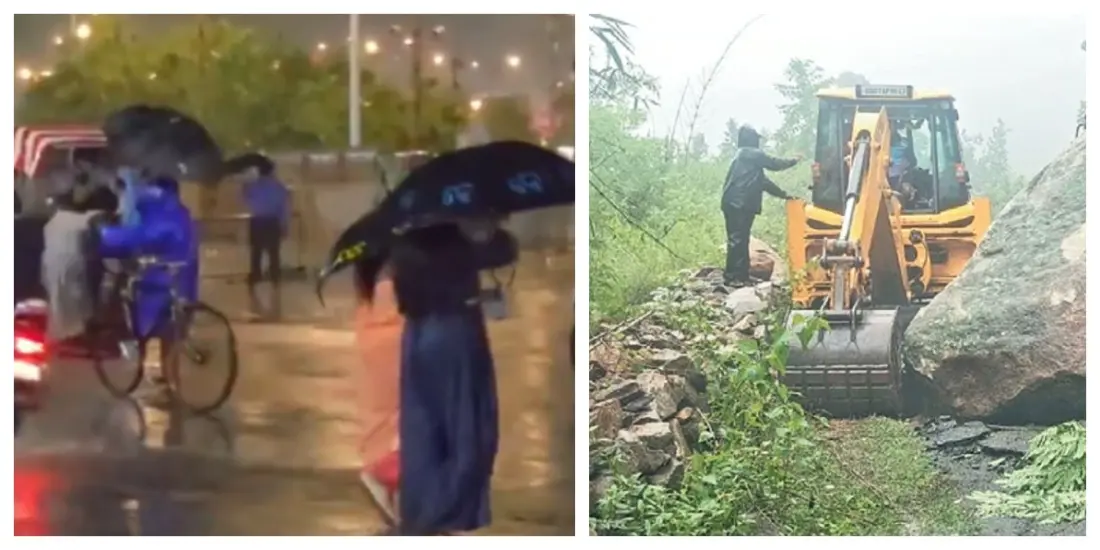
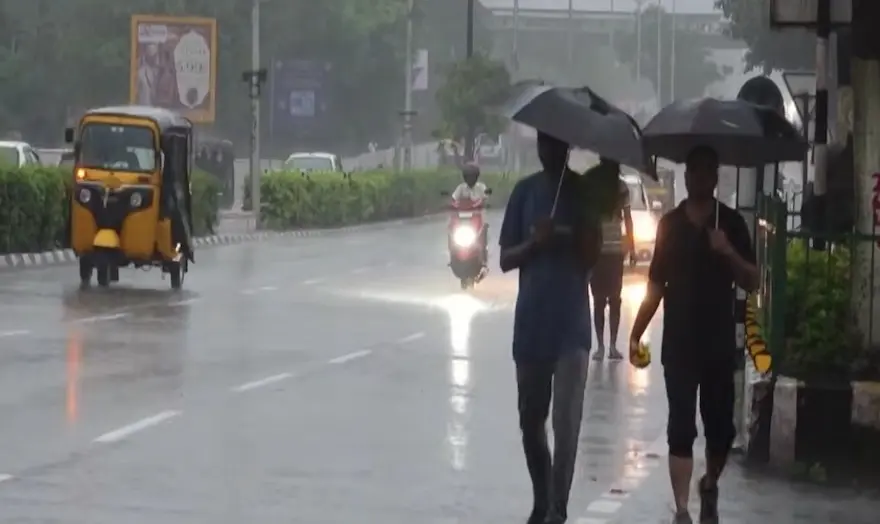
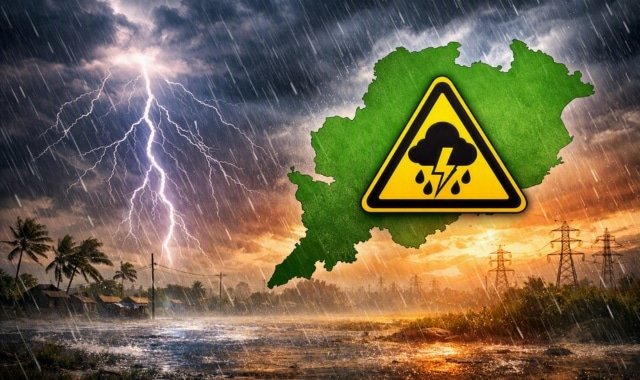
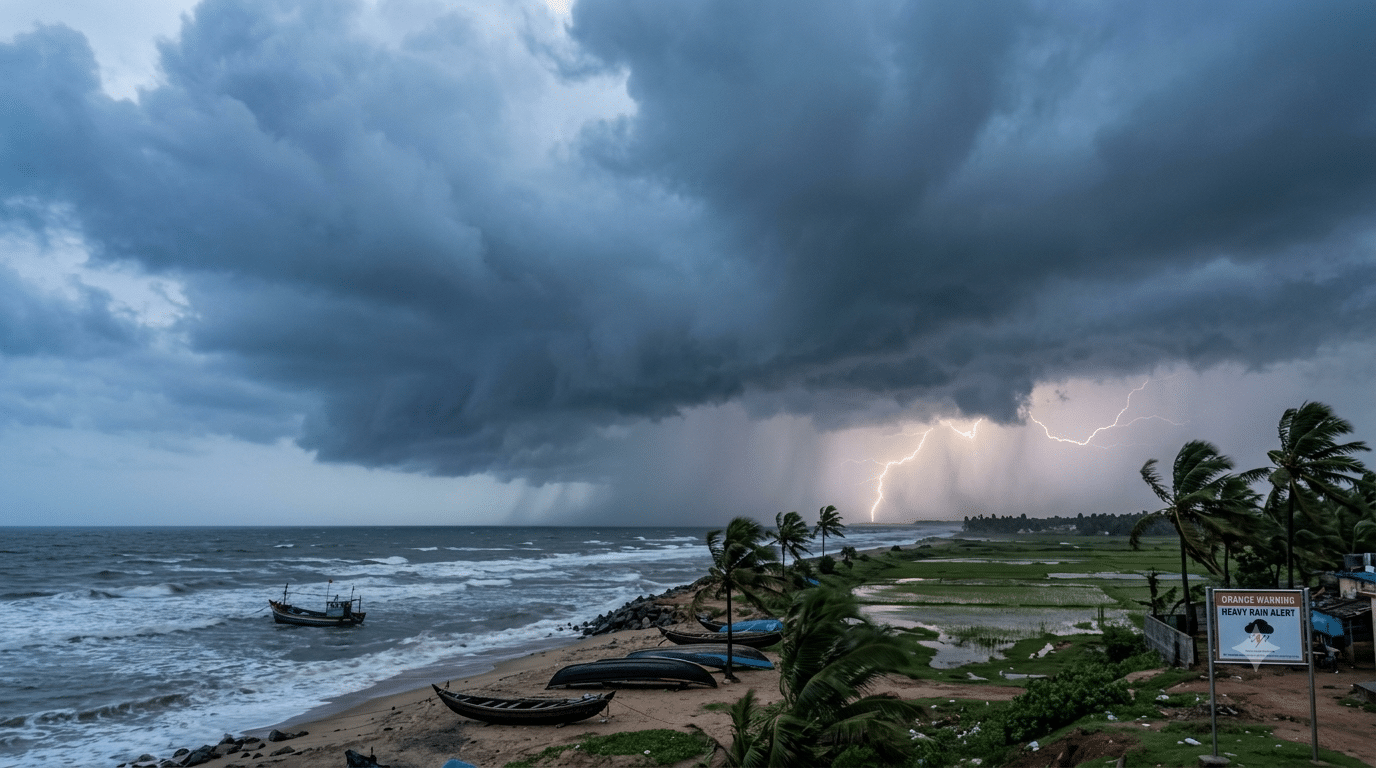
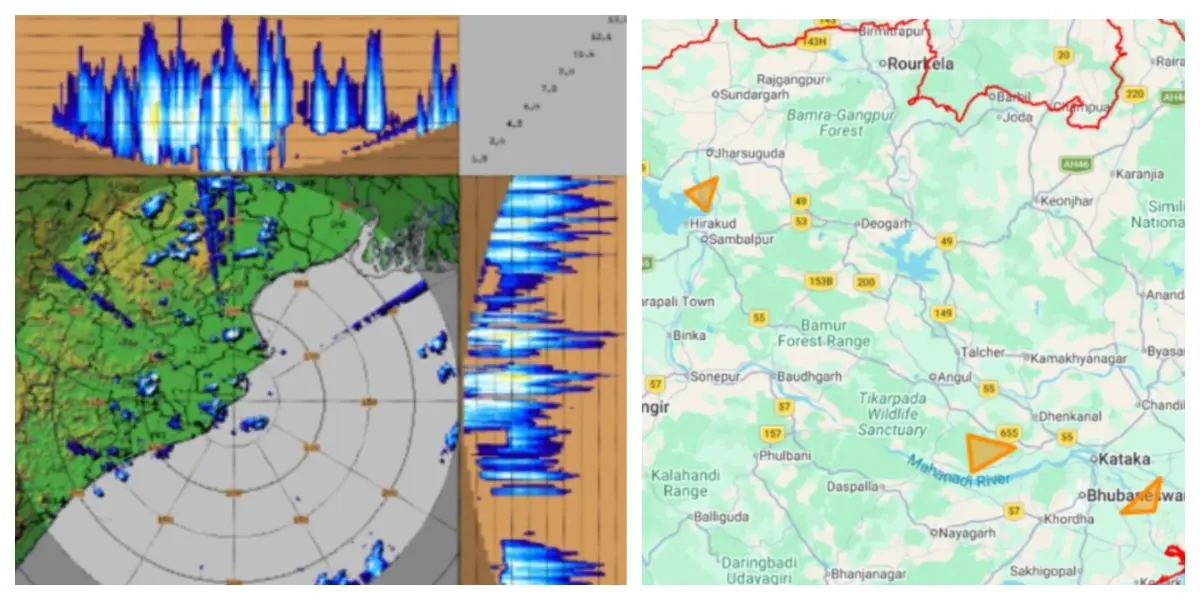
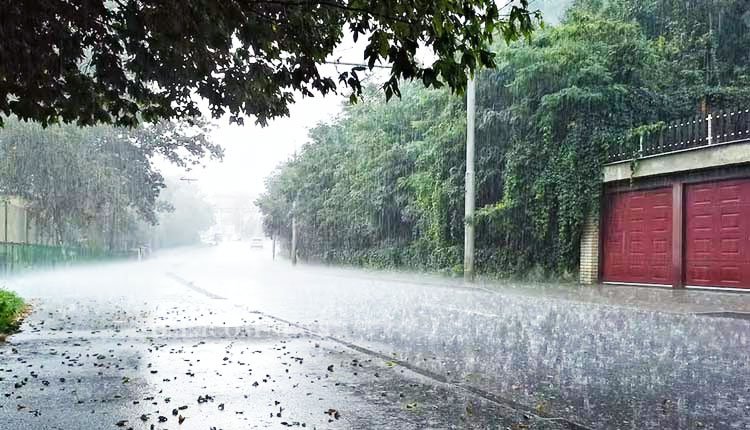
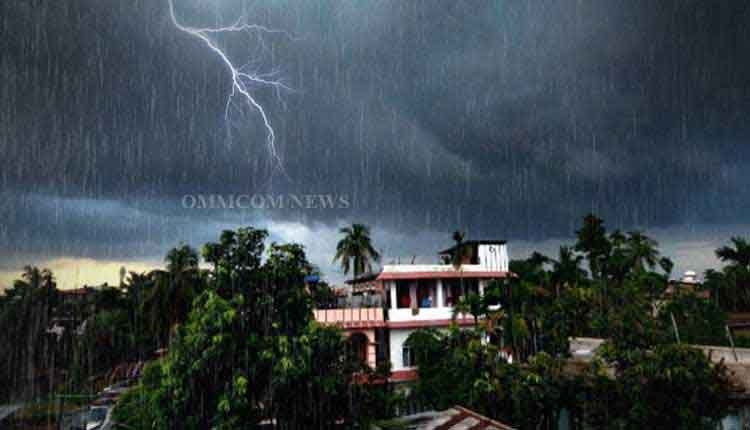
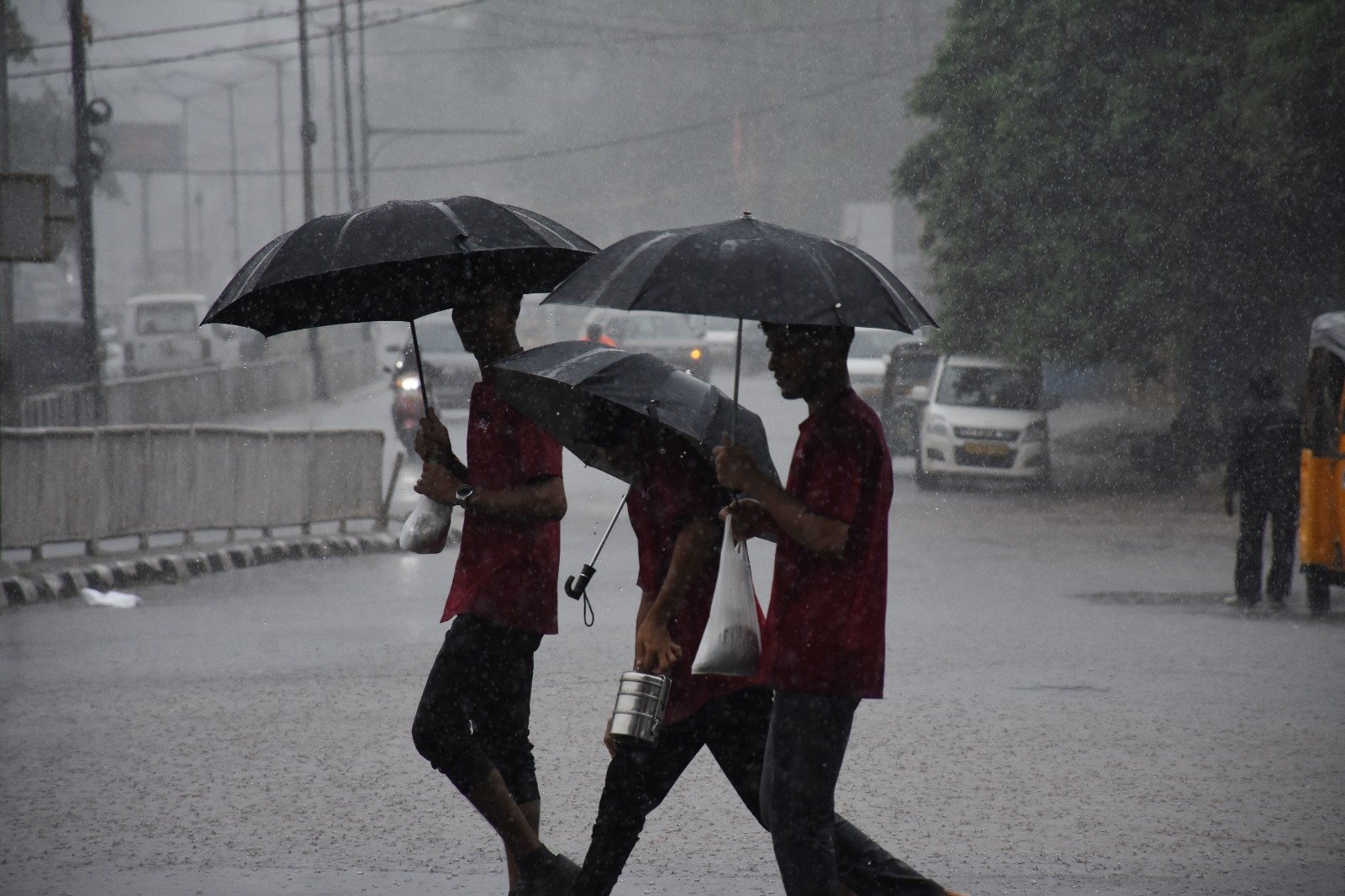
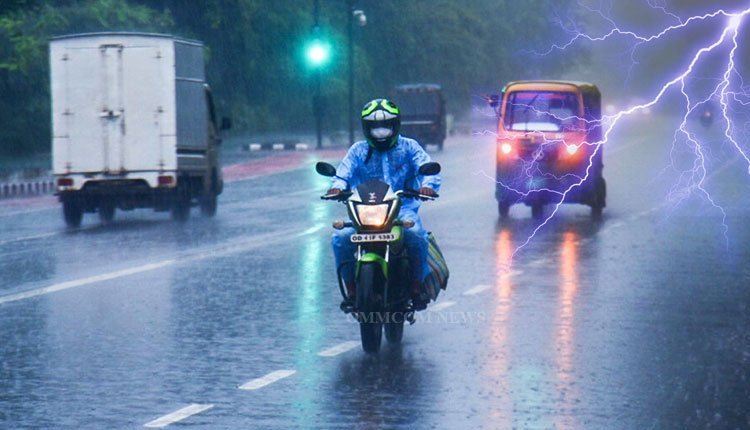
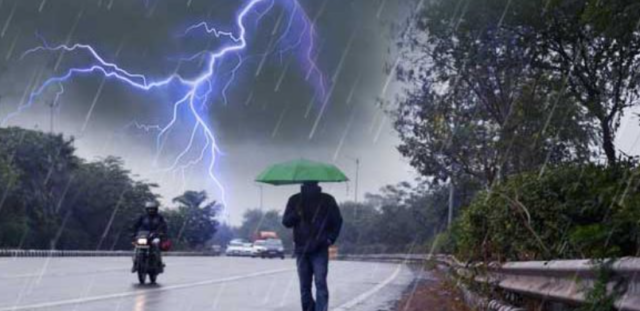
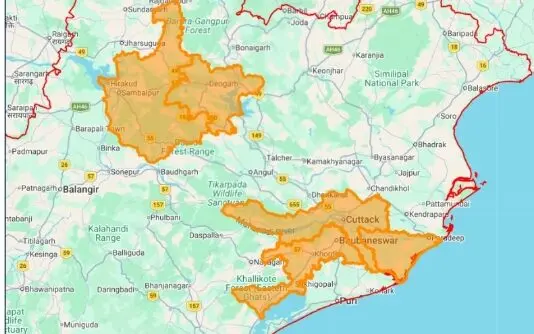
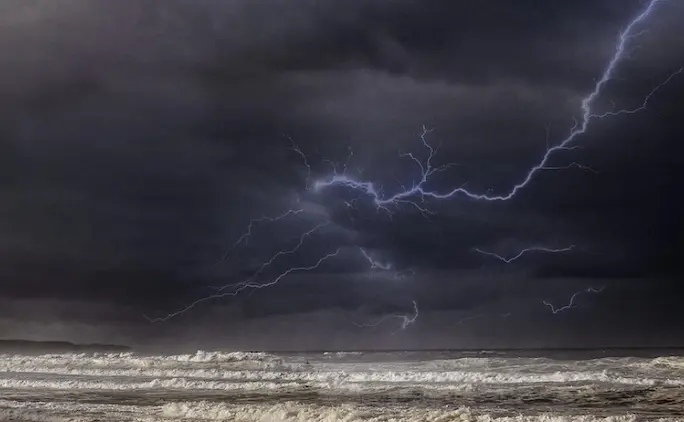
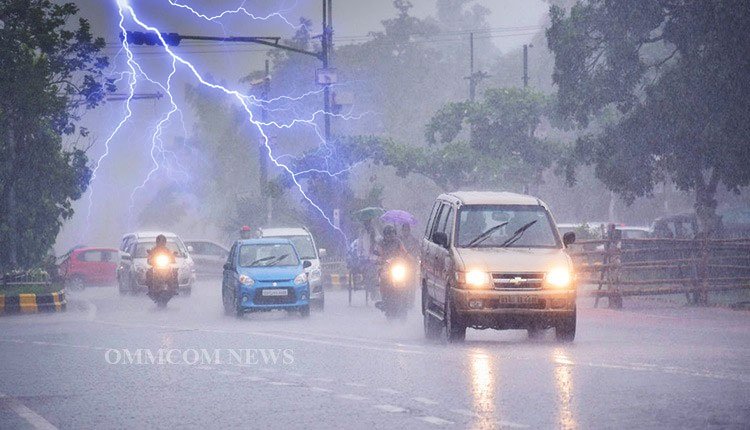
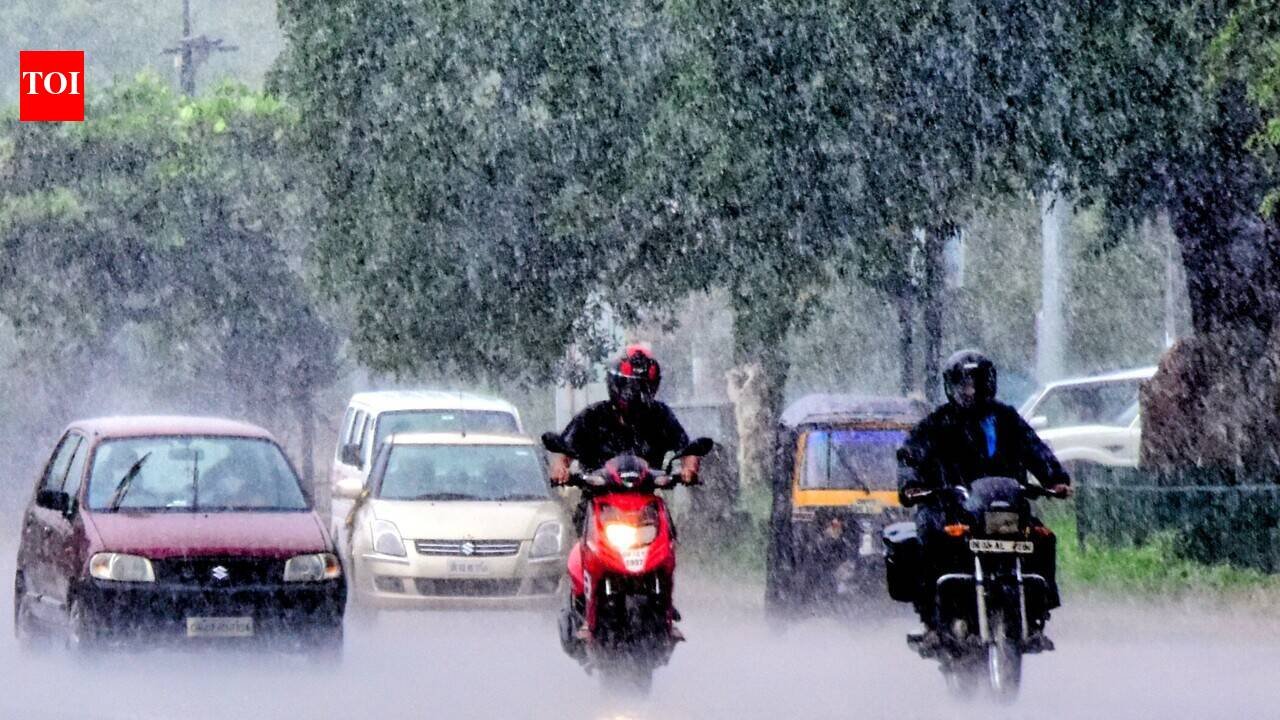
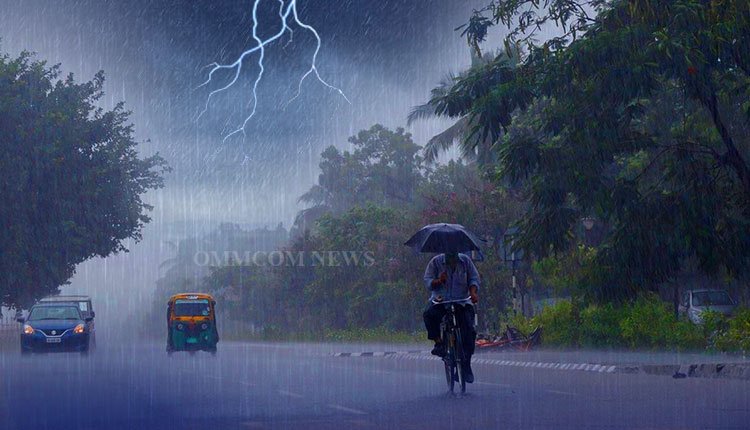
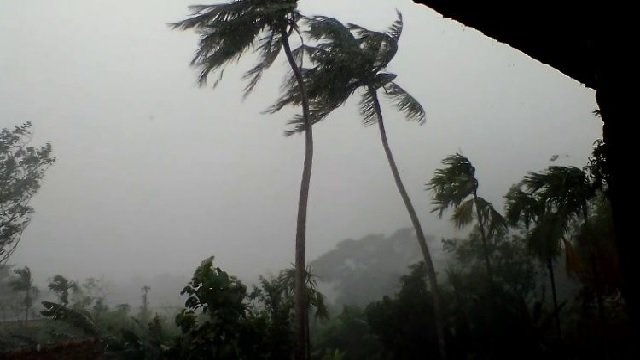
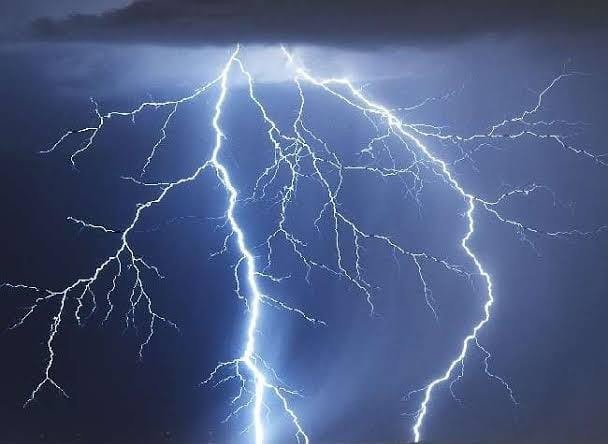
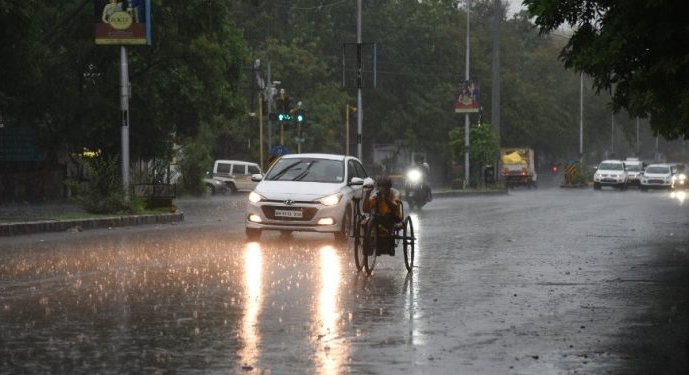
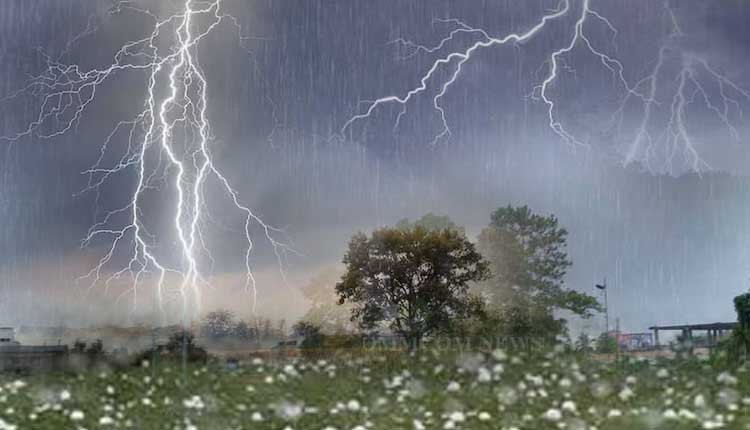
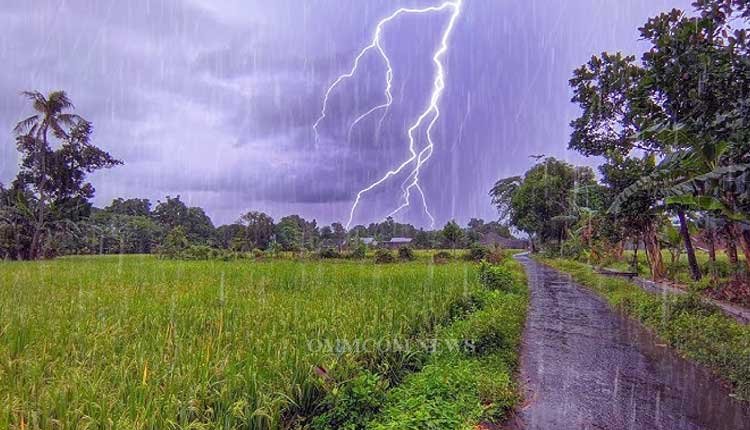
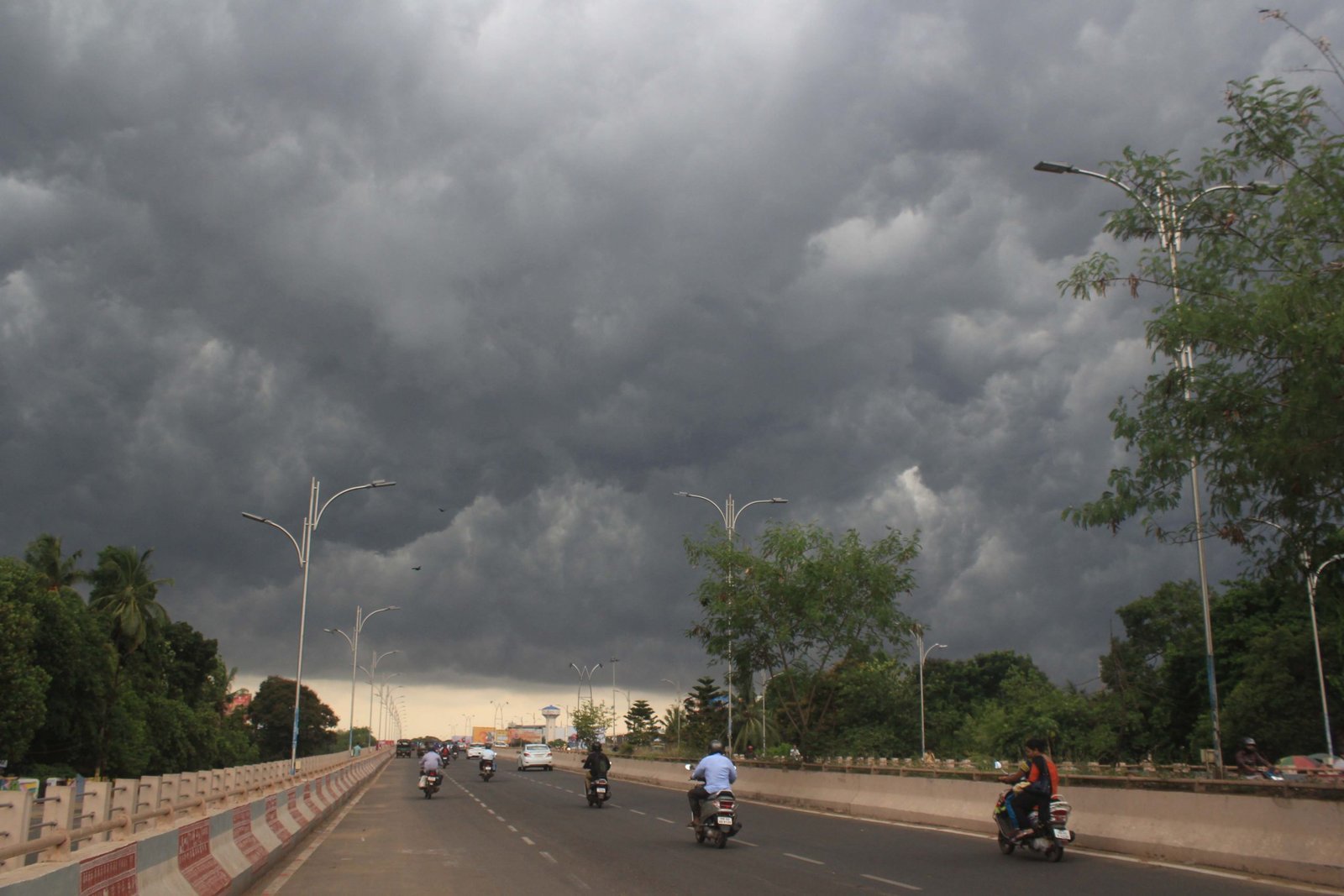
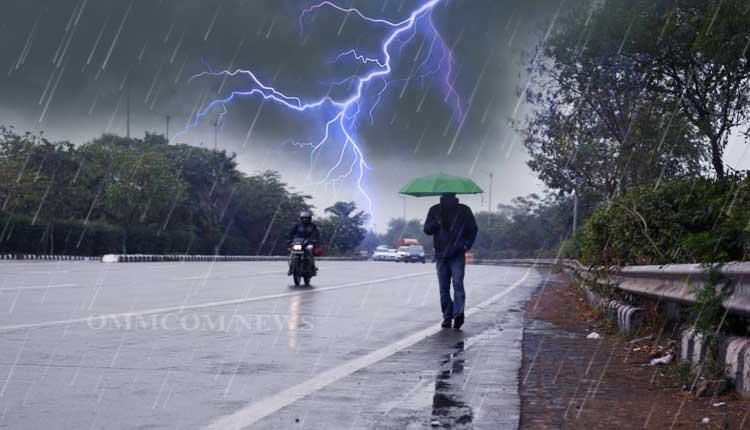
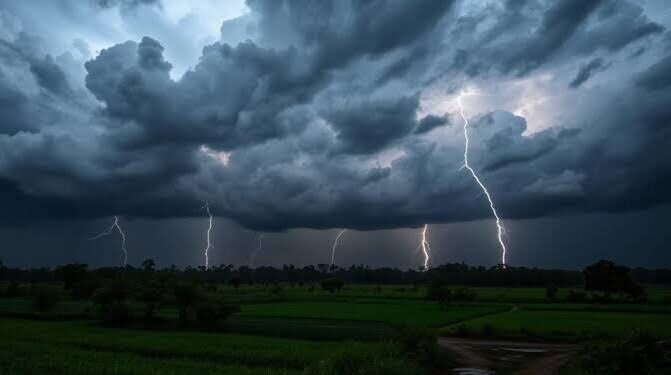
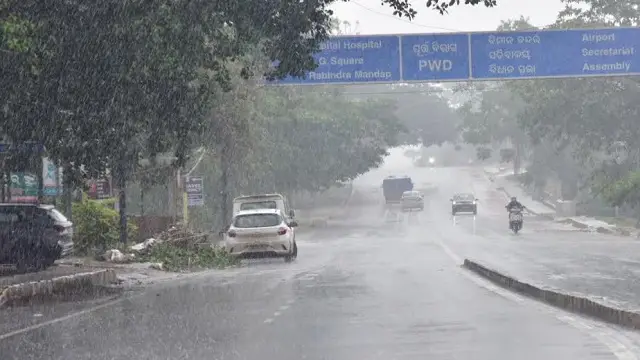
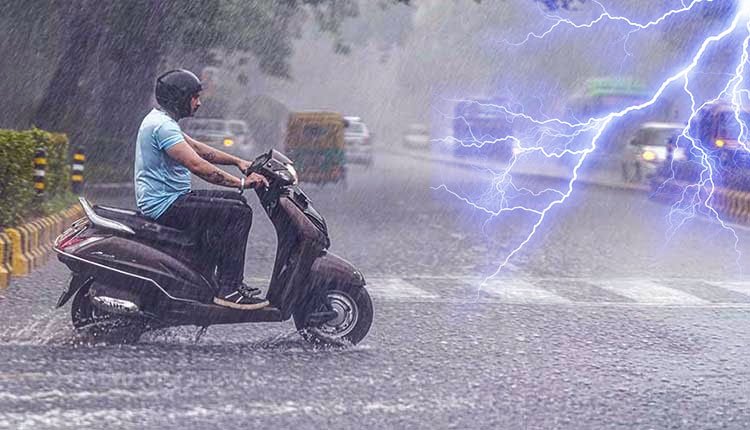
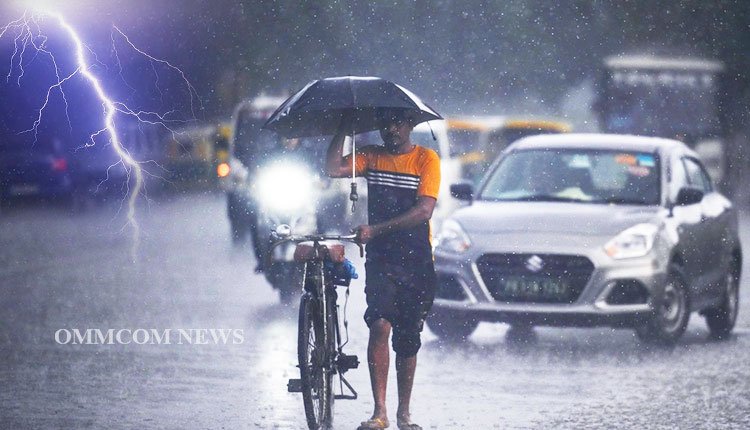
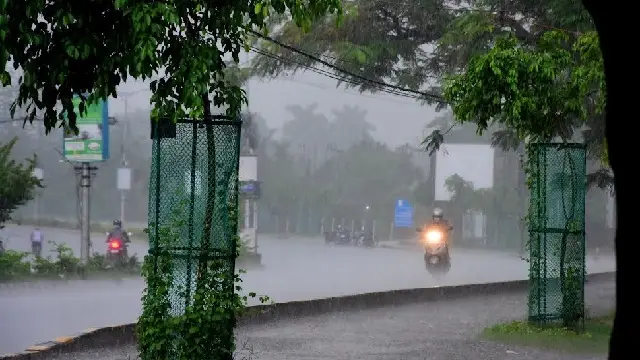
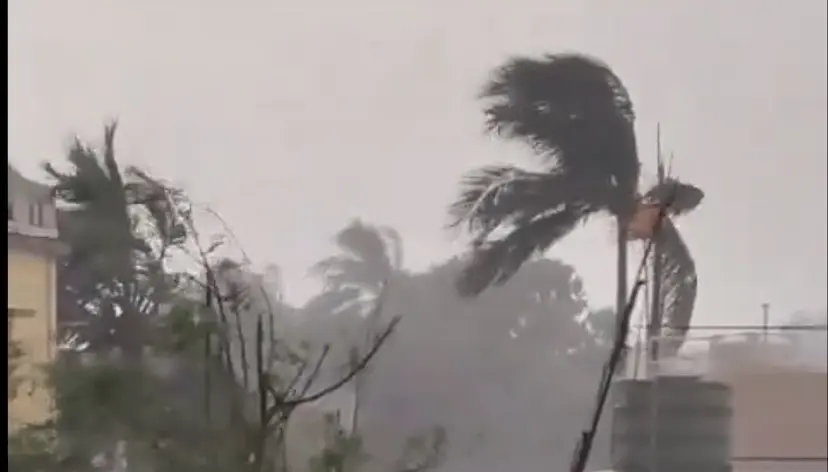
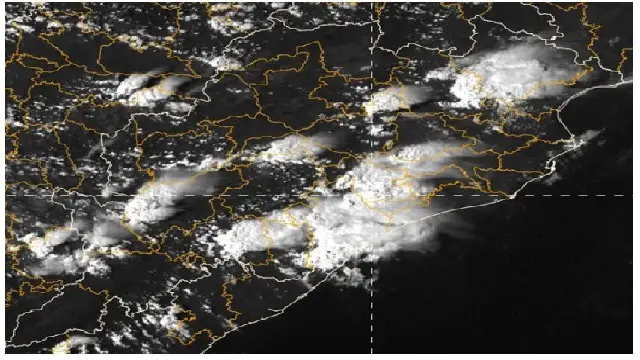
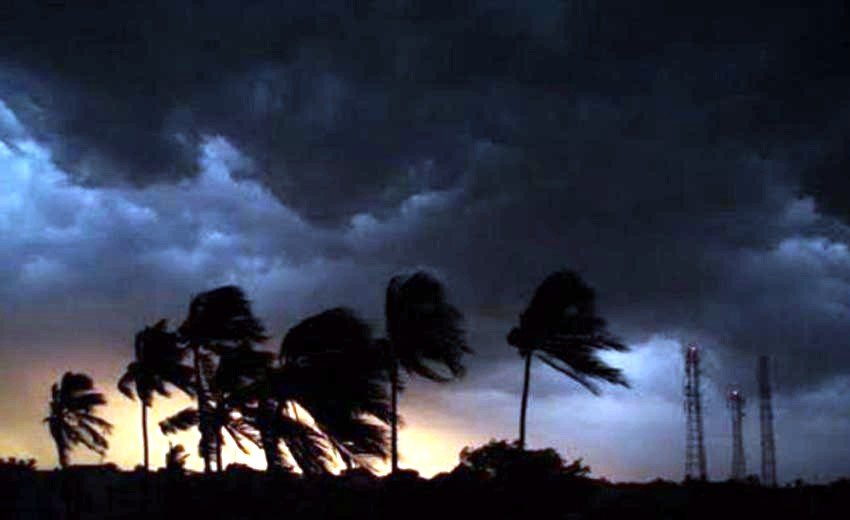
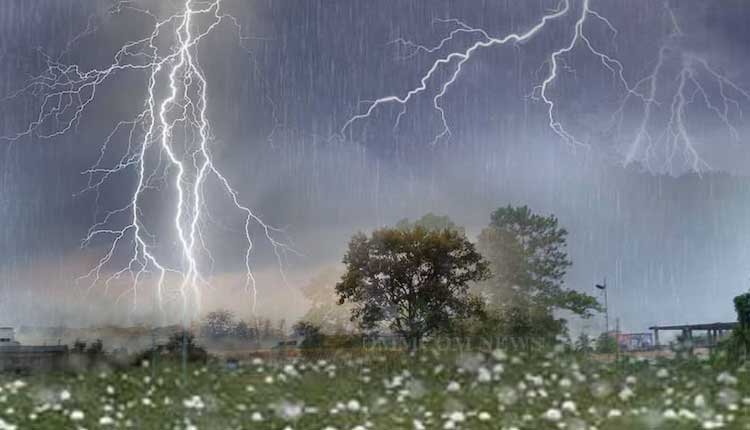
- Coastal & Northern Districts: Isolated areas in districts such as Balasore, Bhadrak, Jajpur, Kendrapara, Jagatsinghpur, Cuttack, Kendujhar, Mayurbhanj, and parts of coastal Odisha may see light to moderate rainfall or thunderstorms, with gusty winds reaching 30-40 km/h over the next few days.
- General Outlook: Rainfall is expected to decrease significantly by the weekend, leading to predominantly dry weather throughout the state. Currently, no major weather warnings have been issued.
Farmers and the public are encouraged to stay informed with daily meteorological updates as temperatures continue to drop.