
The official death toll from Cyclone Arnab in Andhra Pradesh rose significantly on Wednesday, going from zero to three and ultimately reaching five. Initially, Chief Minister N. Chandrababu Naidu reported no fatalities, but by the afternoon, the National Disaster Response Force (NDRF) had confirmed three deaths, with Naidu later announcing the total had increased to five.
While the cyclone weakened after making landfall, the latest updates indicate that the threat remains even after the winds have subsided.
Landfall Occurs Before Dawn
The India Meteorological Department (IMD) reported that the cyclone made landfall along the Andhra Pradesh and Yanam coast between Bapatla and Visakhapatnam in the early hours of October 28. The storm reached its peak by approximately 8 AM, with sustained winds recorded between 125 and 135 km/h, and gusts reaching up to 150 km/h.
After landfall, the storm downgraded from a very severe cyclonic storm to a severe cyclonic storm as it moved inland. The IMD anticipates that it will continue to weaken, eventually transforming into a deep depression.
Details of the Fatalities
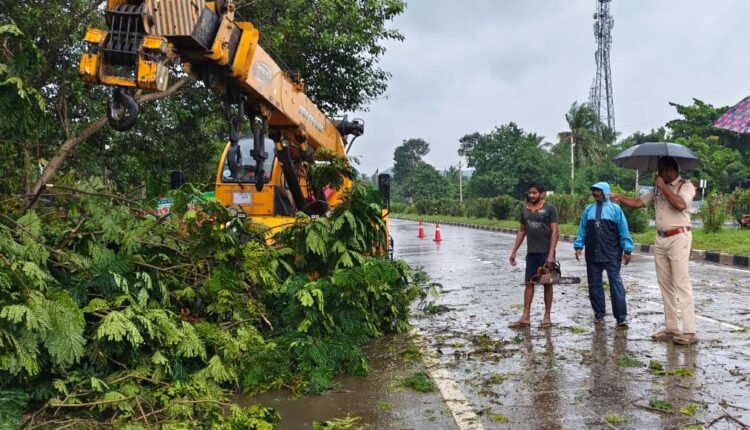
The reported deaths were attributed to various accidents involving fallen trees, collapsing walls, electric poles, and electrocution. Many of the risks that lead to fatalities post-cyclone stem from commonplace hazards such as loose wires, unstable structures, and flooded roads.
Evacuations and Relief Efforts
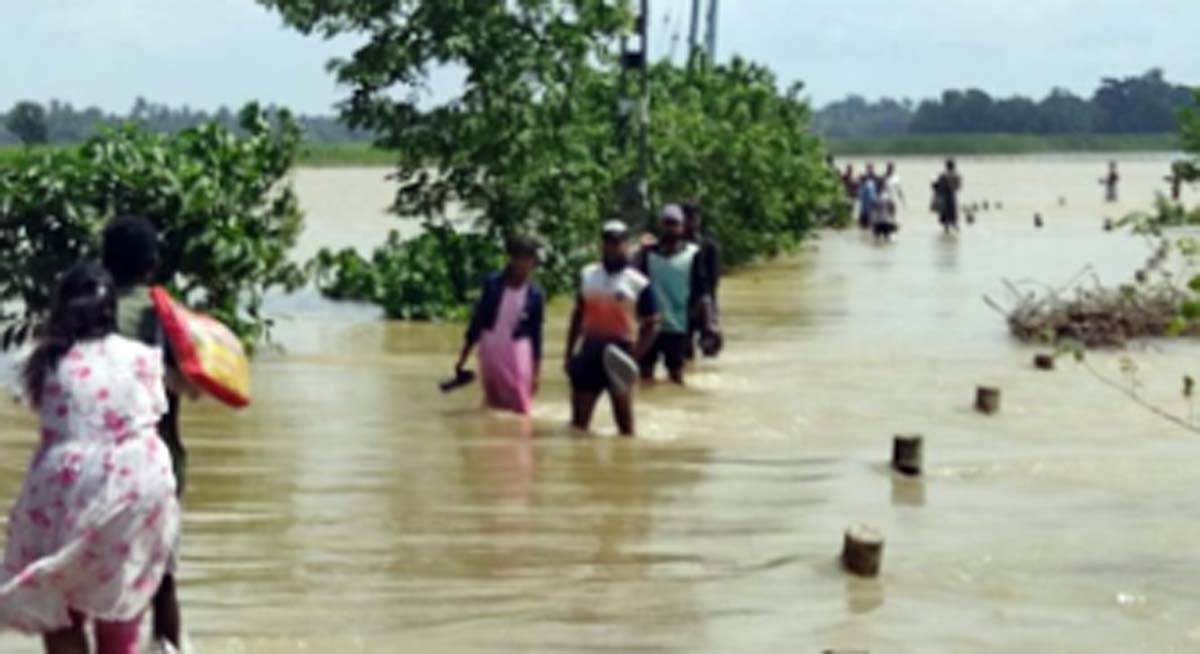
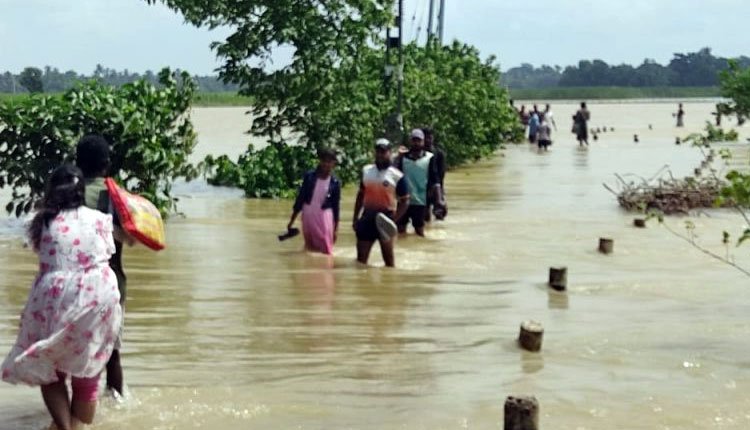
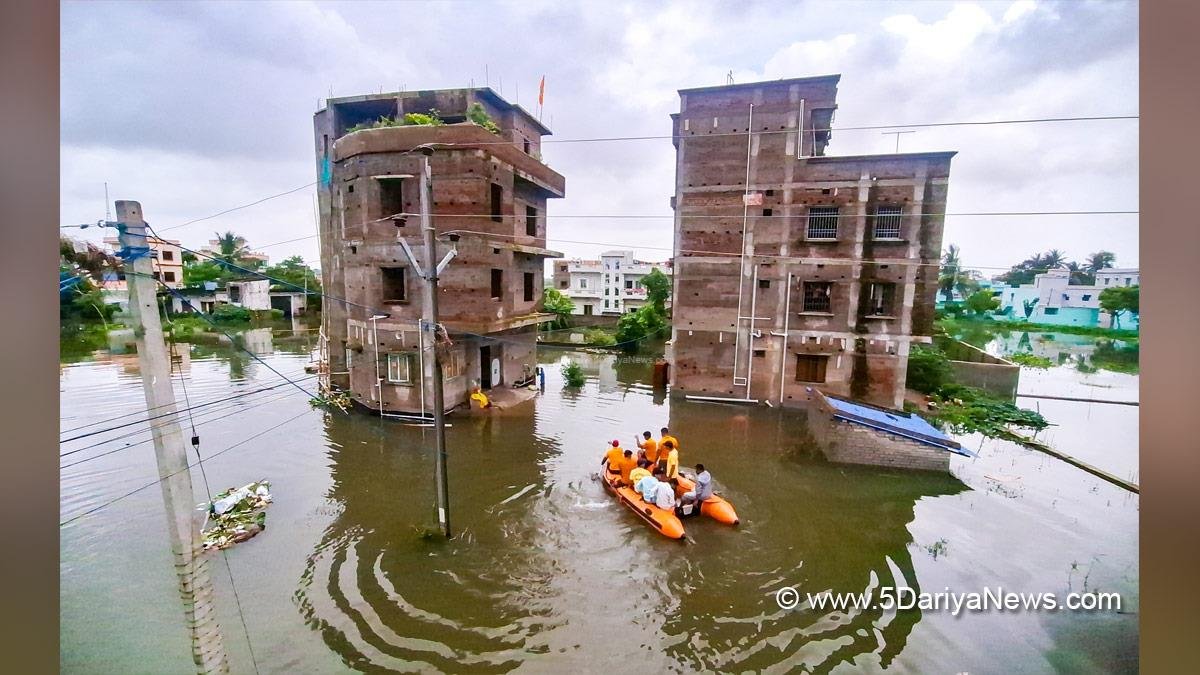
Approximately 57,000 individuals were relocated to relief shelters in Andhra Pradesh. The NDRF activated 39 teams, including four that were airlifted to assist in the response. Meanwhile, in Odisha, where the storm’s outer bands were expected to hit, over 47,830 people were moved from at-risk areas across eight districts into 466 shelters, with 313 response teams ready for deployment.
Impact and Damage Assessment
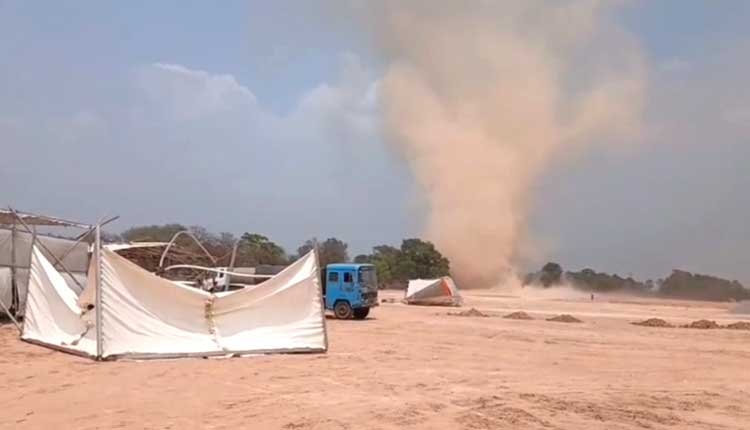
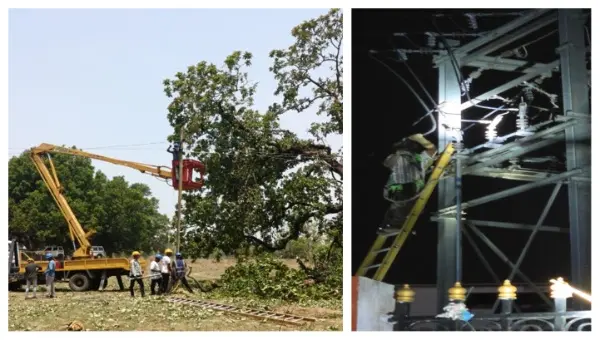
The areas of Kakinada and Konaseema suffered significant damage, with numerous trees and electric poles uprooted, disrupting power and communication services in parts of the region. The Uppada coastal road near Kakinada experienced severe erosion due to high waves. Anakapalli and Visakhapatnam districts recorded rainfall exceeding 200 mm.
Naidu reported that coconut and banana crops over approximately 71,000 hectares were either partially or completely destroyed. Around 180 houses were damaged, and more than 35 flights were cancelled or redirected at two airports in the state. Educational institutions remained closed for the following days.
Future Rain Forecast
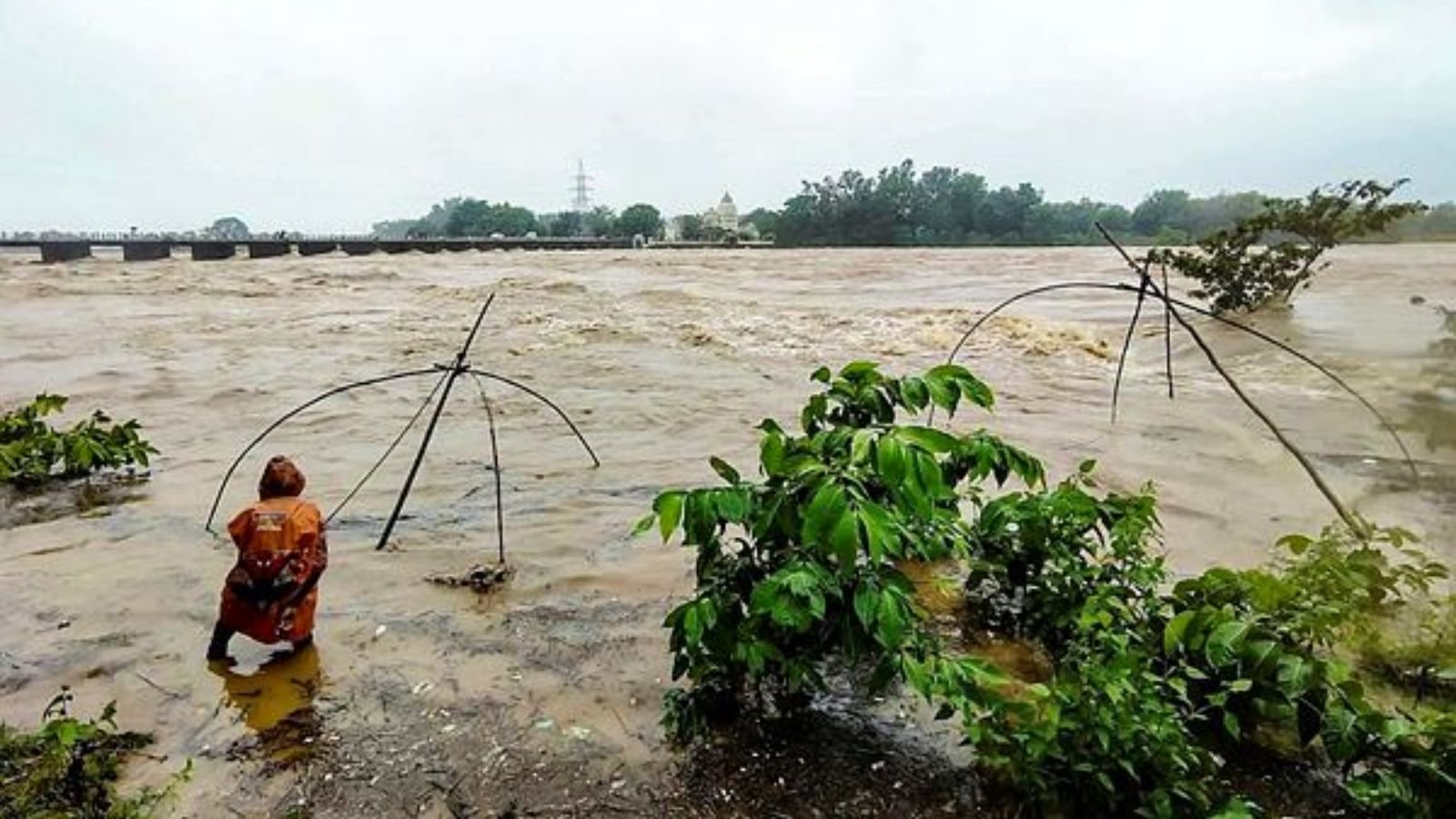
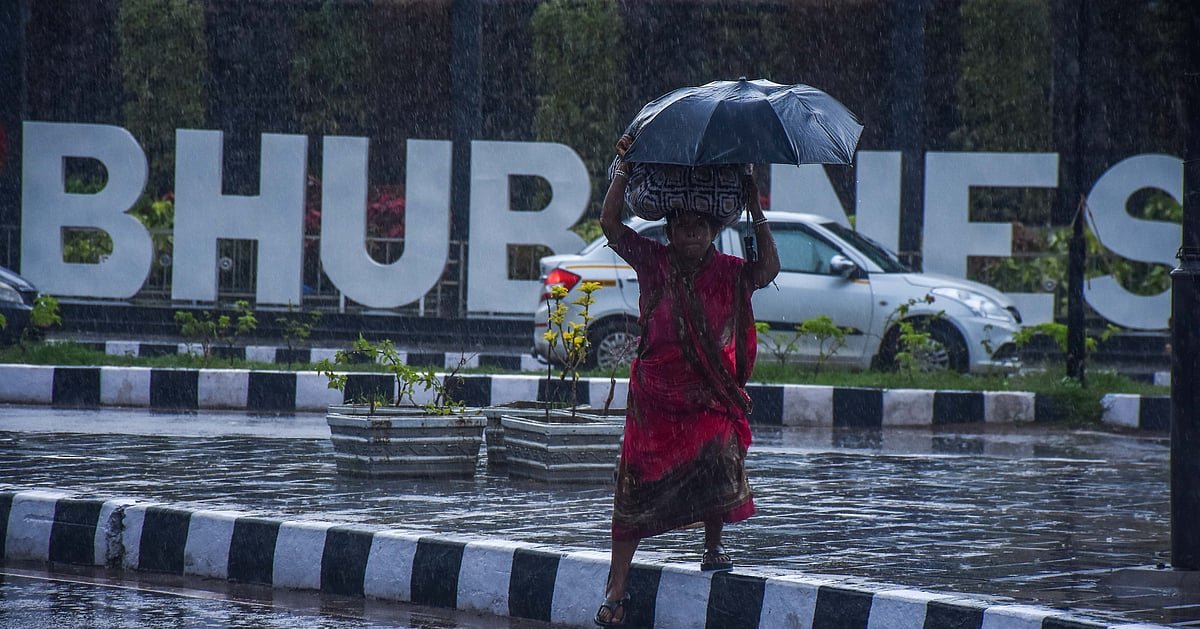
The cyclone system has progressed inland, and attention is now directed toward northern regions. The IMD has predicted heavy to very heavy rainfall for parts of Odisha and Jharkhand on October 29, issuing an orange alert for Sundargarh, Jharsuguda, and Bargarh. Isolated heavy rains are also expected in South Bengal on October 28 and 29. Schools in six districts of southern Odisha will remain closed until October 29, and a fishing ban is in effect until the same date.
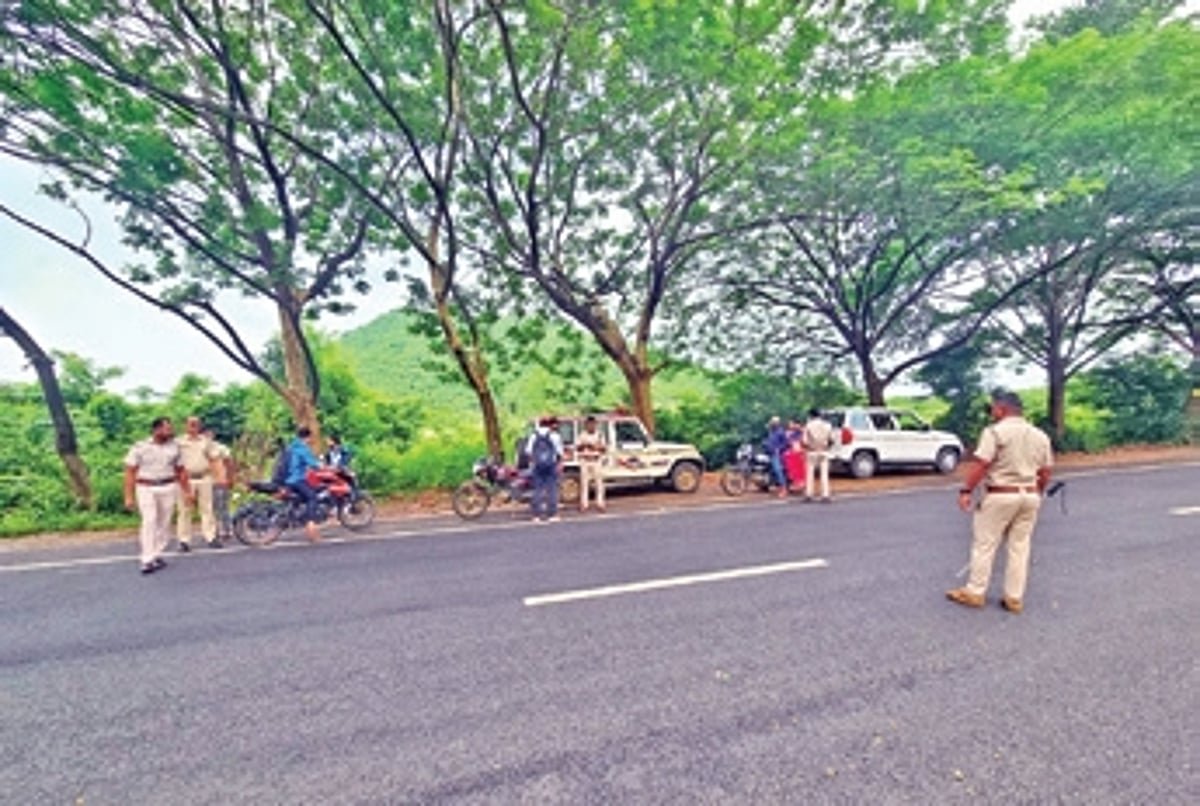
Residents are urged to heed official warnings, avoid flooded roads and compromised coastal areas, and remain in shelters until they receive clearance from local authorities.
Conclusion
Although the winds from Cyclone Arnab have diminished, the toll in terms of fatalities, agricultural losses, and damaged properties continues to rise. The initial count of zero fatalities escalated to three and then five within hours. Until the rain subsides and comprehensive damage assessments are conducted, these figures should be viewed as a momentary snapshot, and the public is advised to stay informed and await further instructions.