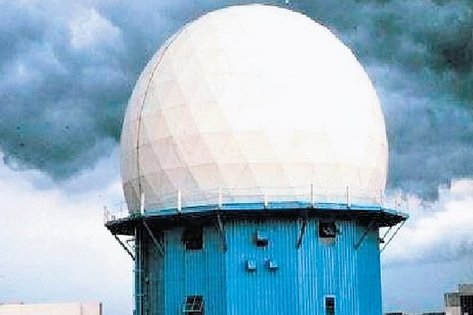
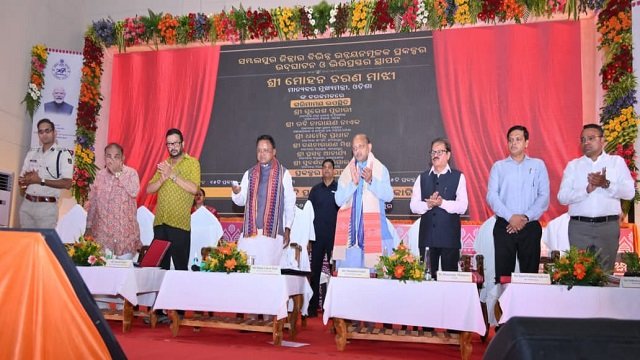
Odisha has introduced a new Doppler weather radar in Sambalpur, aimed at improving its ability to track severe storms and manage the Hirakud reservoir, benefiting 13 districts in the region.
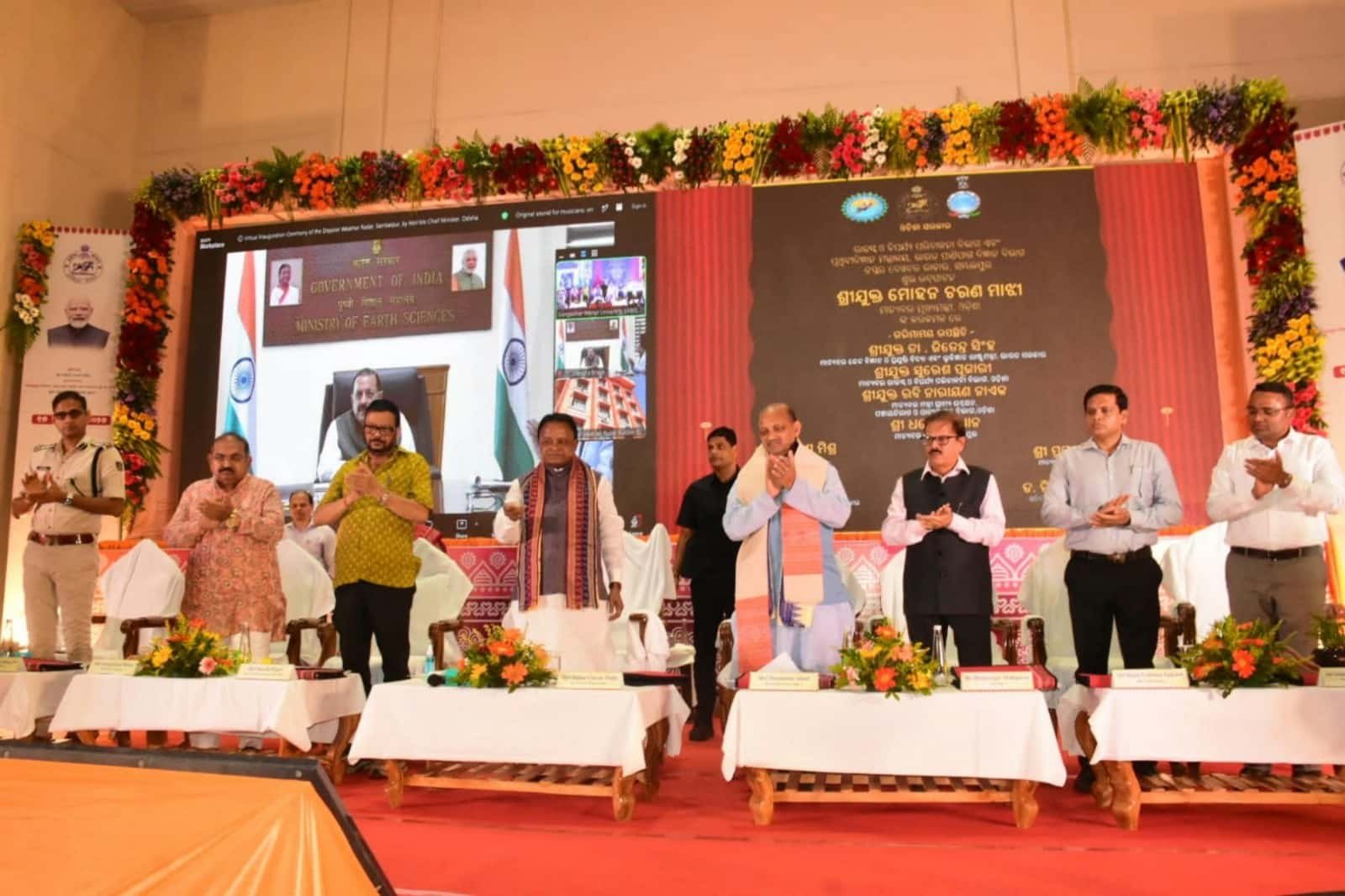
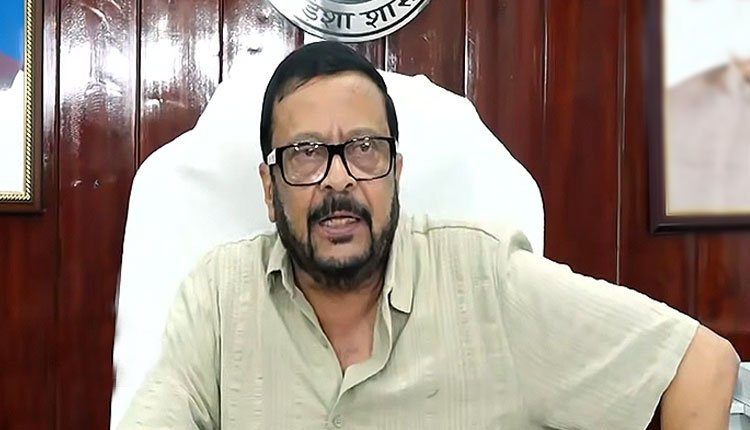
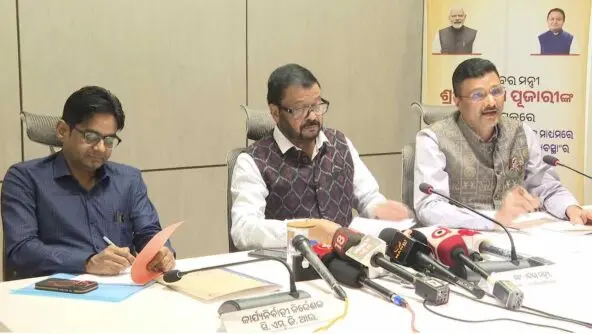
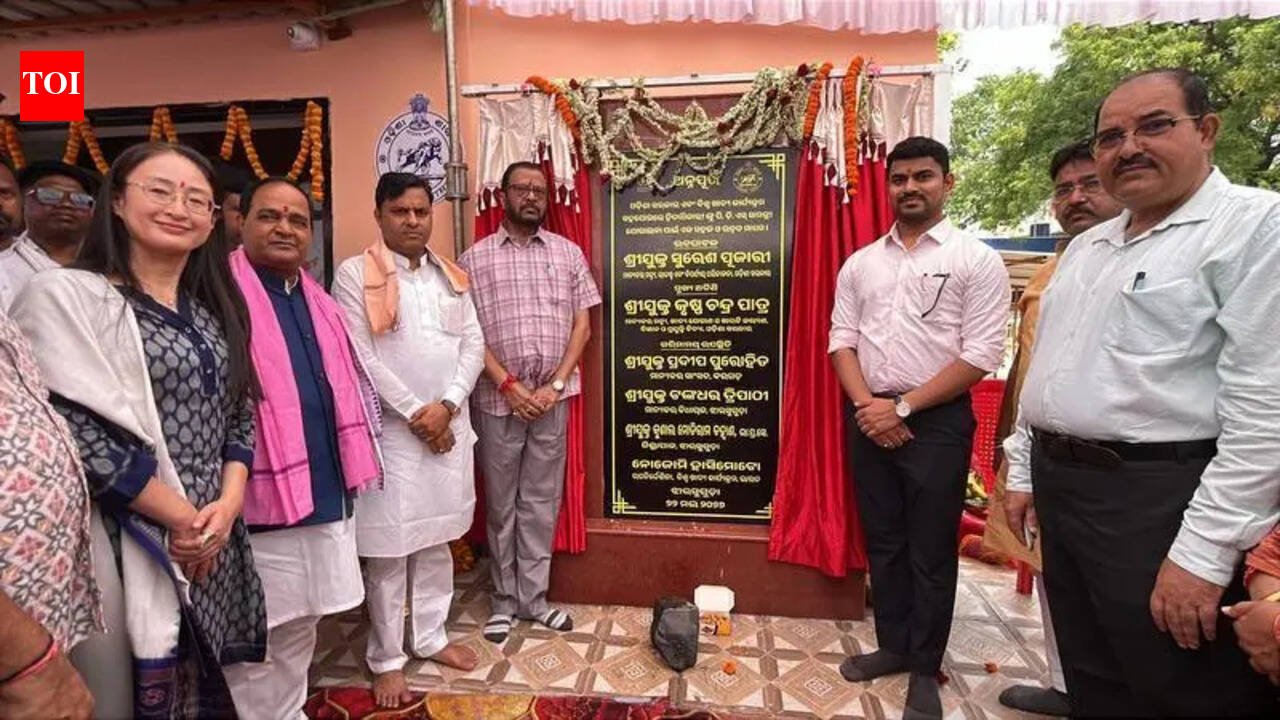
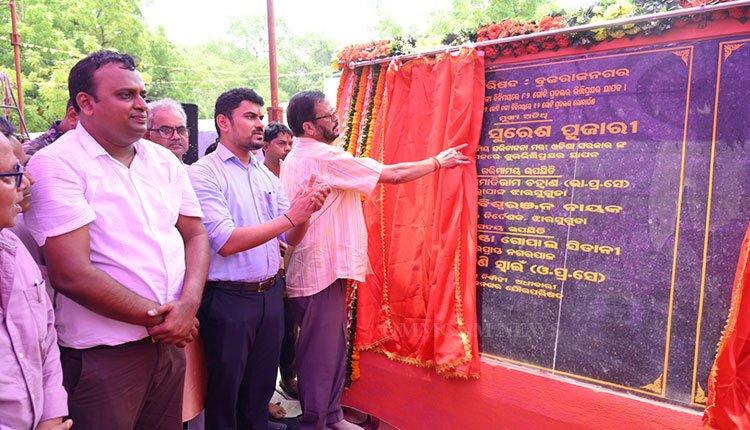
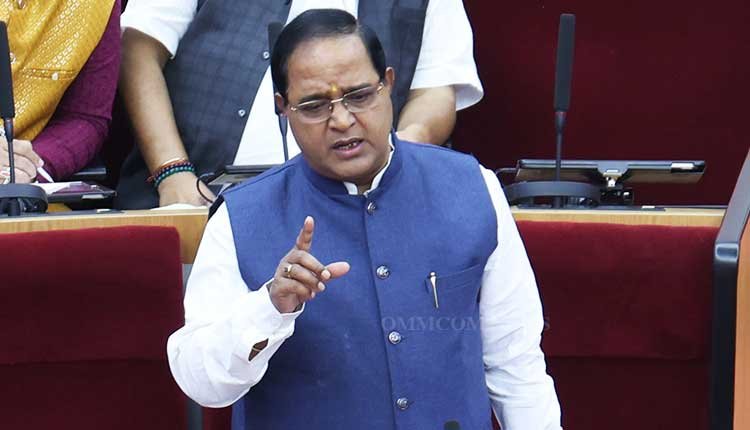
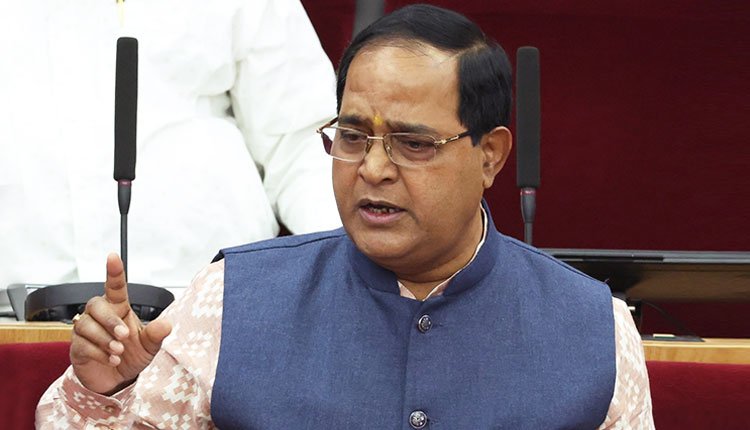
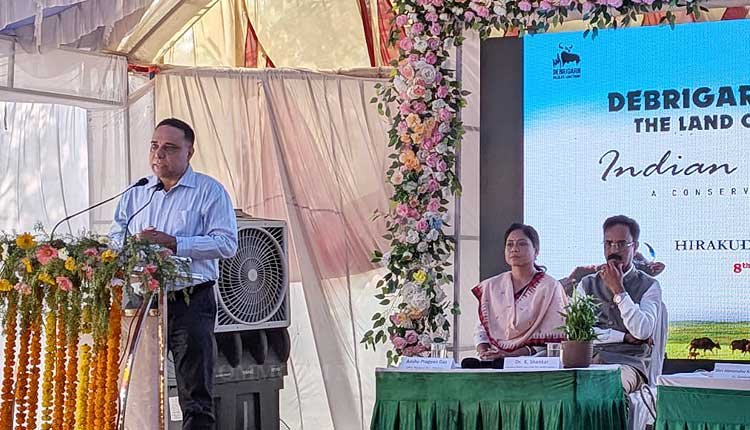
On Wednesday, Chief Minister Mohan Charan Majhi officially launched this indigenous radar at Kainsir, marking a significant advancement in the disaster preparedness capabilities of Western Odisha. This installation addresses the ongoing vulnerabilities found within the state’s interior river basins and industrial zones.
The radar system, unveiled during a ceremony at Gangadhar Meher University, operates continuously, monitoring atmospheric changes within a 250-kilometre radius and observing weather developments up to approximately 450 kilometres away. Developed under the ‘Make in India’ initiative, this facility becomes the third radar in Odisha, supplementing existing coastal surveillance stations in Paradip and Gopalpur.
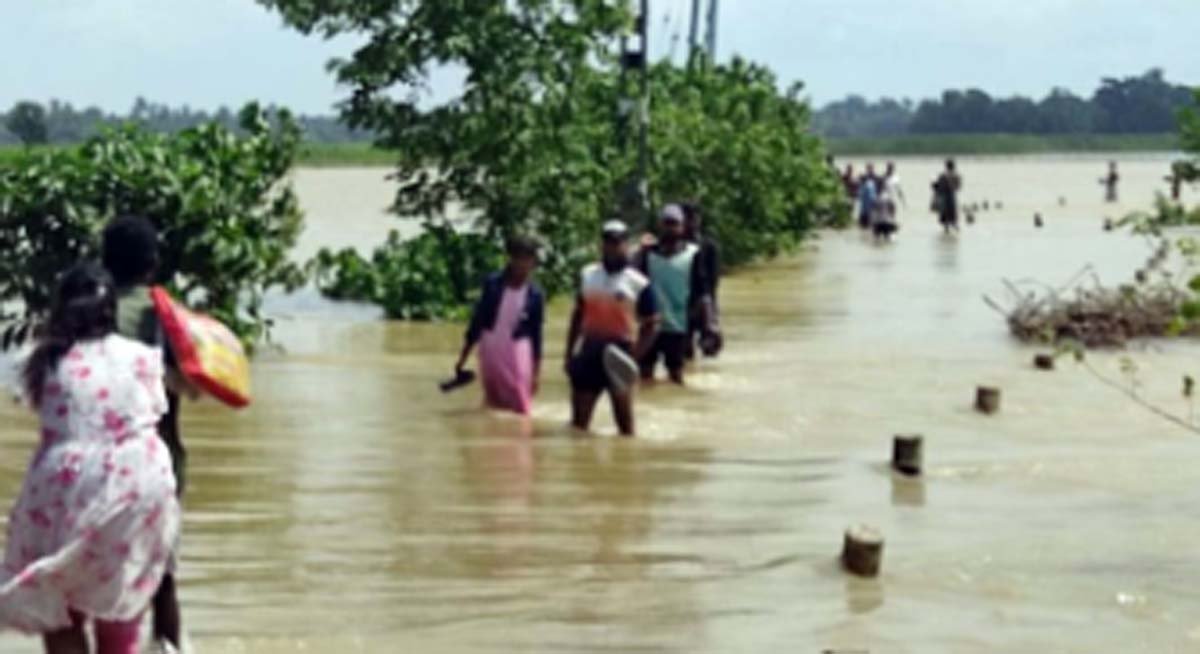
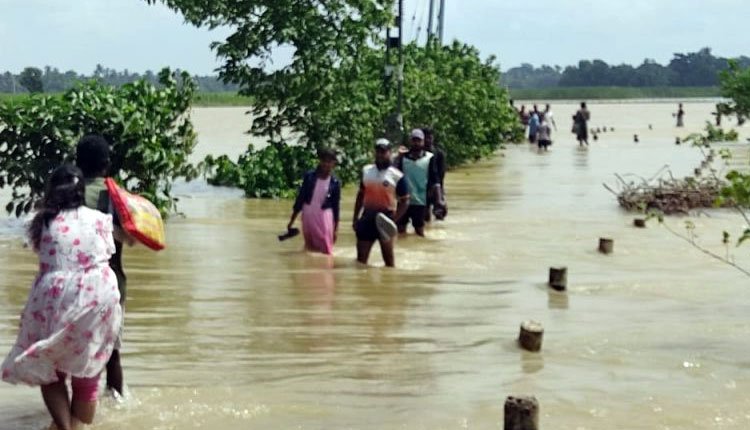
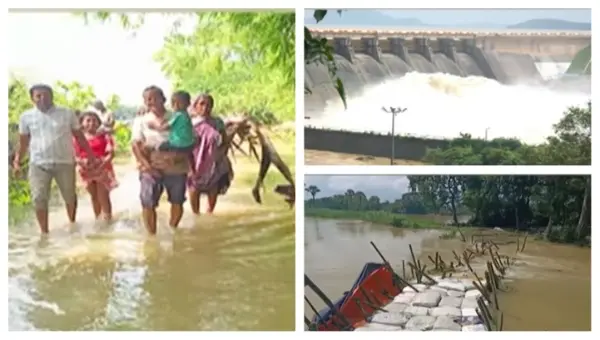
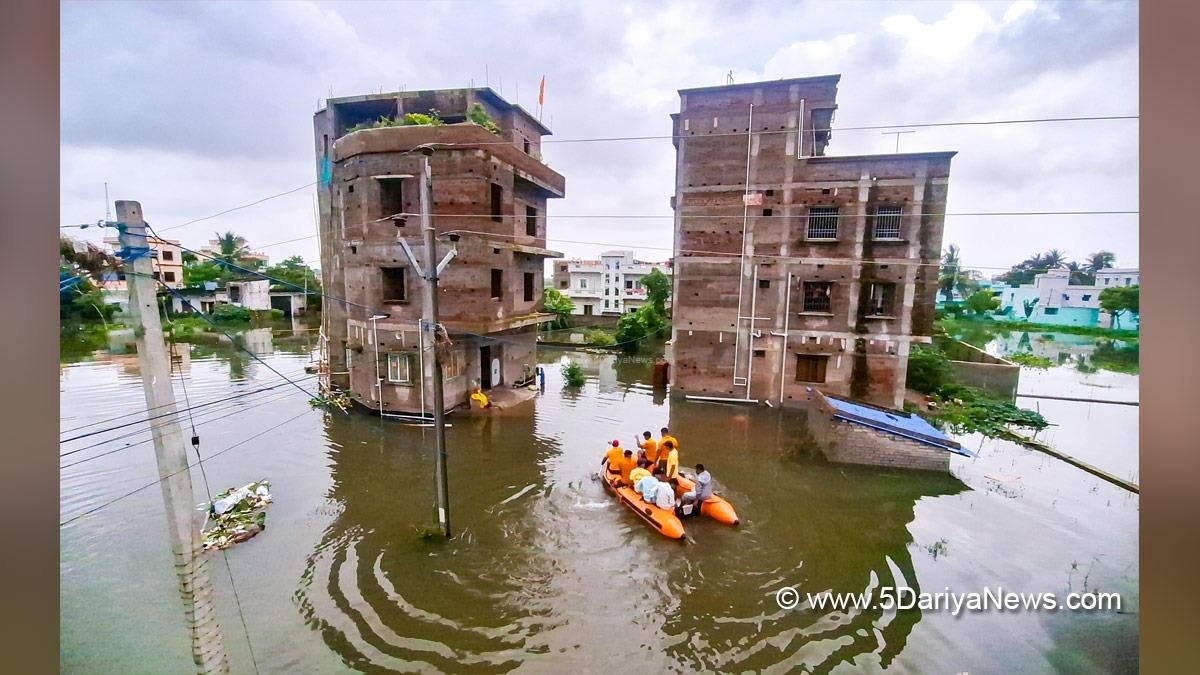
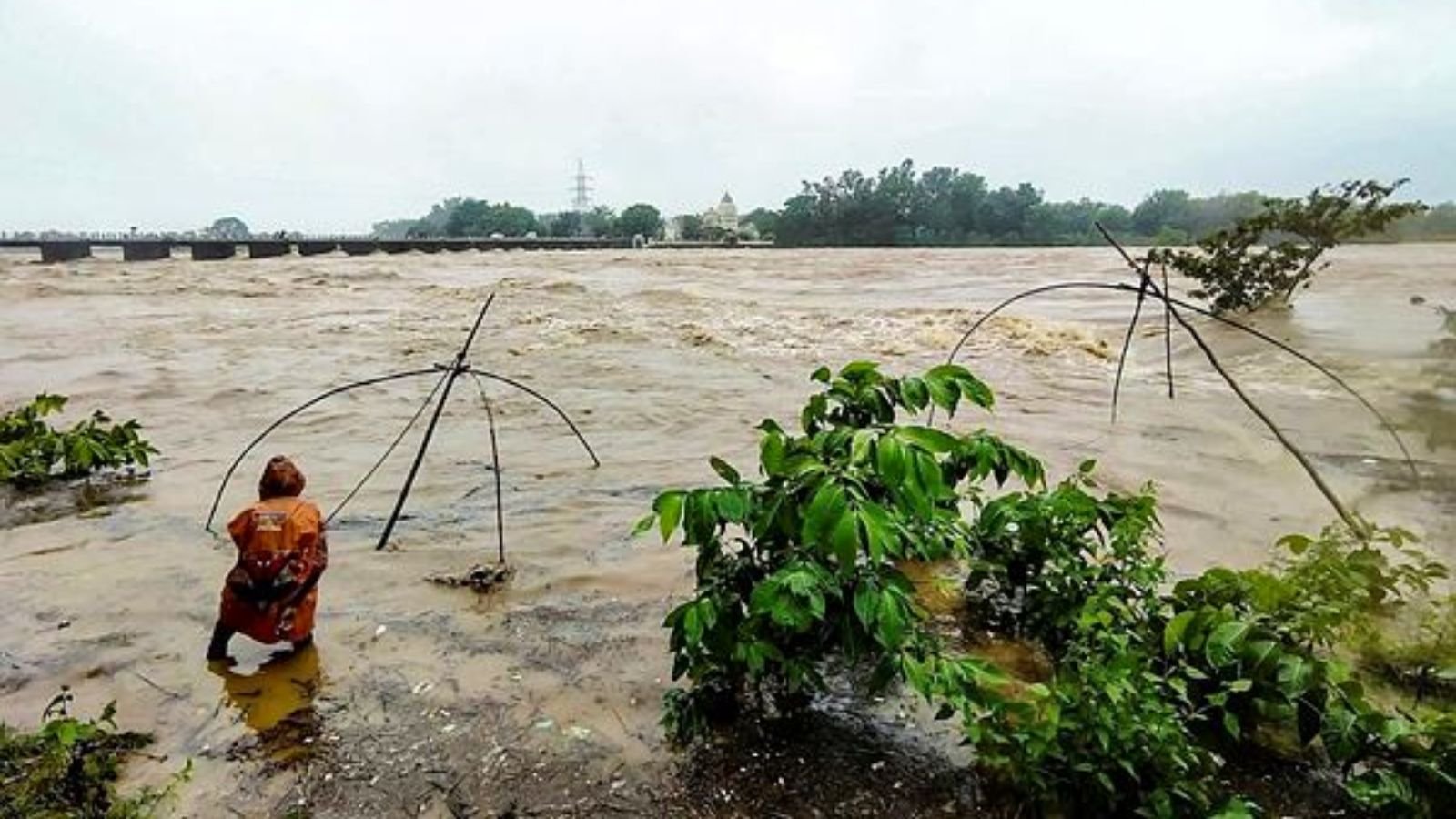
Designed to detect severe weather patterns, the radar will provide early warnings for dangerous atmospheric events such as lightning, intense thunderstorms, hailstorms, and unexpected heavy rainfall. It calculates rainfall levels every 10 minutes, with a spatial resolution of 150 metres, allowing real-time data to enhance water management models for the Hirakud reservoir, thereby aiding dam operators in effectively managing flood risks and tracking water inflow.
In addition to its water management capabilities, the radar will issue regional weather alerts across 13 districts including Sambalpur, Bargarh, Jharsuguda, Sundargarh, Deogarh, Sonepur, Balangir, Boudh, Nuapada, Angul, Kalahandi, Keonjhar, and Dhenkanal. Its sensor coverage also extends to neighboring districts in Chhattisgarh and Jharkhand.
This advanced forecasting tool is particularly beneficial for the agricultural sector in the Mahanadi basin, especially for the large paddy fields in Bargarh district, providing a critical buffer against unseasonal weather impacts. Industrial facilities, transport systems, energy providers, and electricity distribution centers will also be better equipped to prepare for adverse weather conditions.
During the launch event, Chief Minister Majhi emphasized the importance of Western Odisha in disaster preparedness, noting that incorporating the interior plateau into the main meteorological framework is vital for shifting the state towards a proactive, technology-focused approach to civil safety.