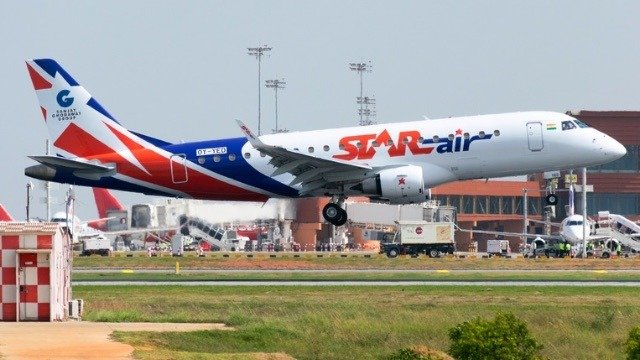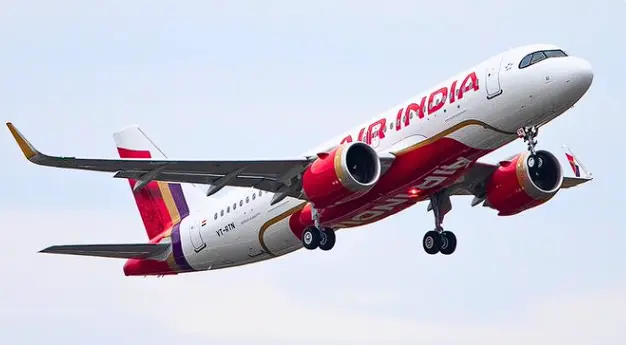
The inquiry into the Air India flight from Phuket to Delhi, which plunged 300 feet on August 4 and left 17 individuals injured, has revealed unexpected findings. While initial speculation suggested pilot intoxication, it has come to light that the aircraft experienced critical technical failures, including a triple hydraulic malfunction.
On August 4, nearly two and a half hours after departing from Phuket, Air India flight AI 2379 experienced a sudden drop in altitude, leading to injuries among passengers and crew.
At first, reports indicated that turbulence was responsible for the incident, with some even hinting that the pilot may have been under the influence of drugs. However, investigations indicate that the Airbus A320 suffered from multiple technical problems, including the failure of hydraulic systems and an autopilot disconnection.
Details of the Incident
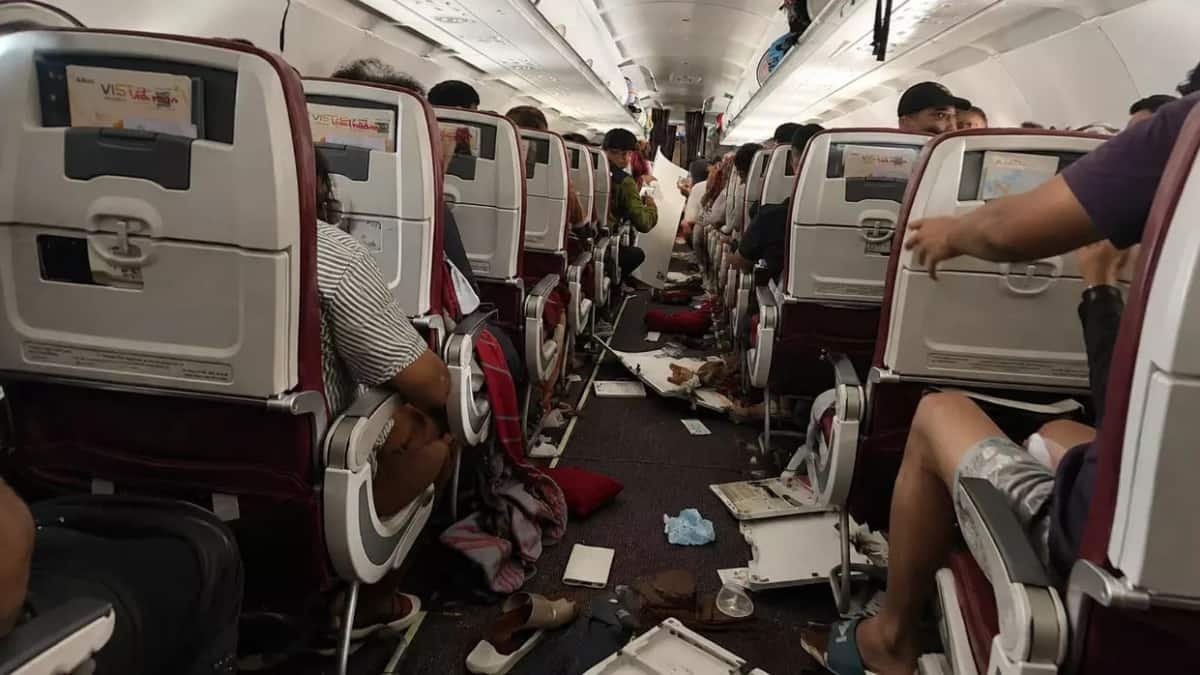
The routine flight turned chaotic when the aircraft abruptly lost altitude, creating panic among the 137 passengers and crew onboard. Accounts from passengers describe a moment of sheer terror as the Airbus A320 suddenly dropped, leading to luggage falling from overhead compartments and passengers bracing themselves in their seats.
Passenger Shrikant Jha recounted that the flight had been running smoothly before the unexpected disturbance struck. He described a brief period during which the aircraft shook violently, followed by a rapid descent that left everyone feeling as if they might not survive.
Another passenger, Minchen, who recorded the event, stated it was the most frightening experience of her life. She urged others to always wear their seatbelts, recalling scenes of people being thrown from their seats and sustaining injuries. “For a while, I genuinely thought we weren’t going to make it,” she posted on social media.
Following the incident, 17 people were reported injured, prompting an investigation by the Aircraft Accident Investigation Bureau (AAIB) in accordance with International Civil Aviation Organization (ICAO) protocols.
Focus on Pilot Testing
In the aftermath, scrutiny fell on the pilot of the aircraft. His initial drug screening returned a result that was “not negative,” raising questions about potential intoxication. On August 9, the civil aviation ministry announced that a confirmatory test was underway after the initial results indicated the need for further analysis.
The Airline Pilots’ Association of India emphasized that over-the-counter medications could lead to similar screening results, stressing the importance of waiting for the confirmatory test results before drawing conclusions.
Technical Issues Identified
Investigations have since pointed to significant technical issues, notably the triple hydraulic failures that occurred prior to the loss of altitude. Sources have indicated that a sequence of failures in the aircraft’s hydraulic and flight control systems preceded the incident.
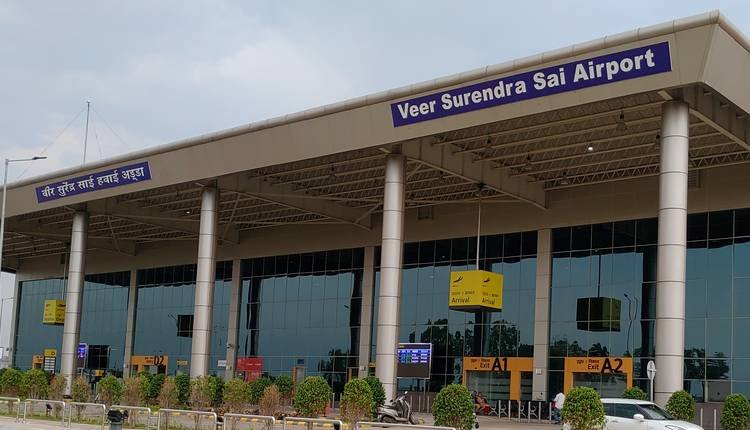
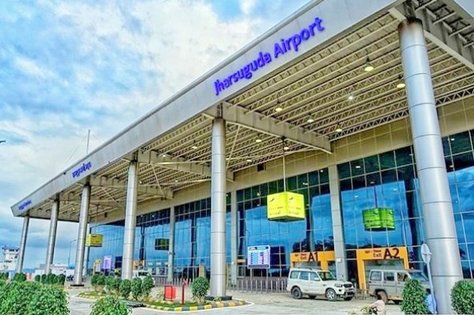
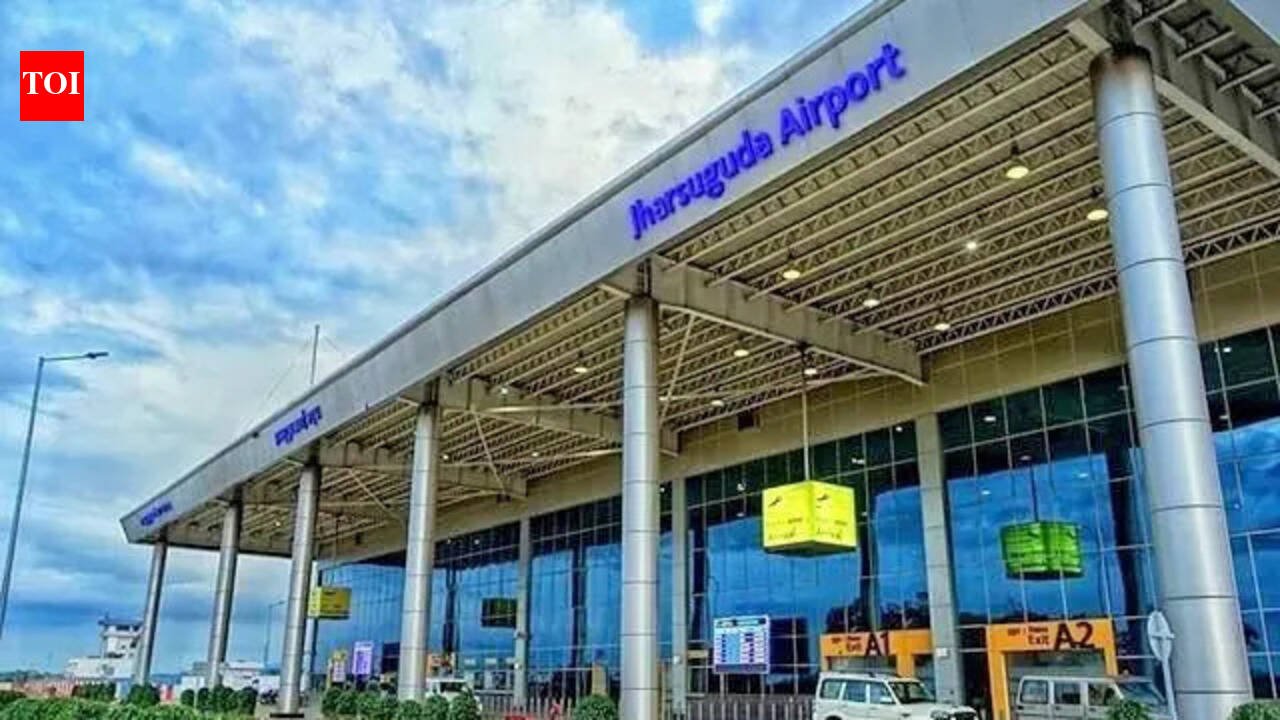
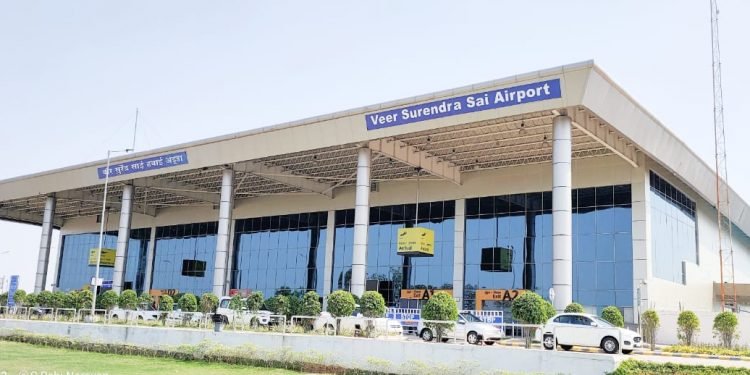
Captain Sam Thomas, president of the Airline Pilots’ Association of India, confirmed that the aircraft experienced these hydraulic failures during its approach to Jharsuguda, Odisha. The pilots acted quickly to manage the situation, descending the aircraft to stabilize it, which helped prevent further injuries.
Additionally, the autopilot mode disconnected at a critical moment, but the co-pilot managed to regain control manually, according to the investigation. Various indicator lights also reportedly malfunctioned during the incident.
Airbus Involvement in the Investigation
Airbus has pledged to support the investigation, providing technical assistance to the relevant authorities in line with ICAO regulations. A team of specialists will be dispatched to aid in understanding the causes of the sudden drop and the sequence of technical failures. The French Bureau d’Enquêtes et d’Analyses will also join the investigation due to Airbus’s headquarters being located in France.