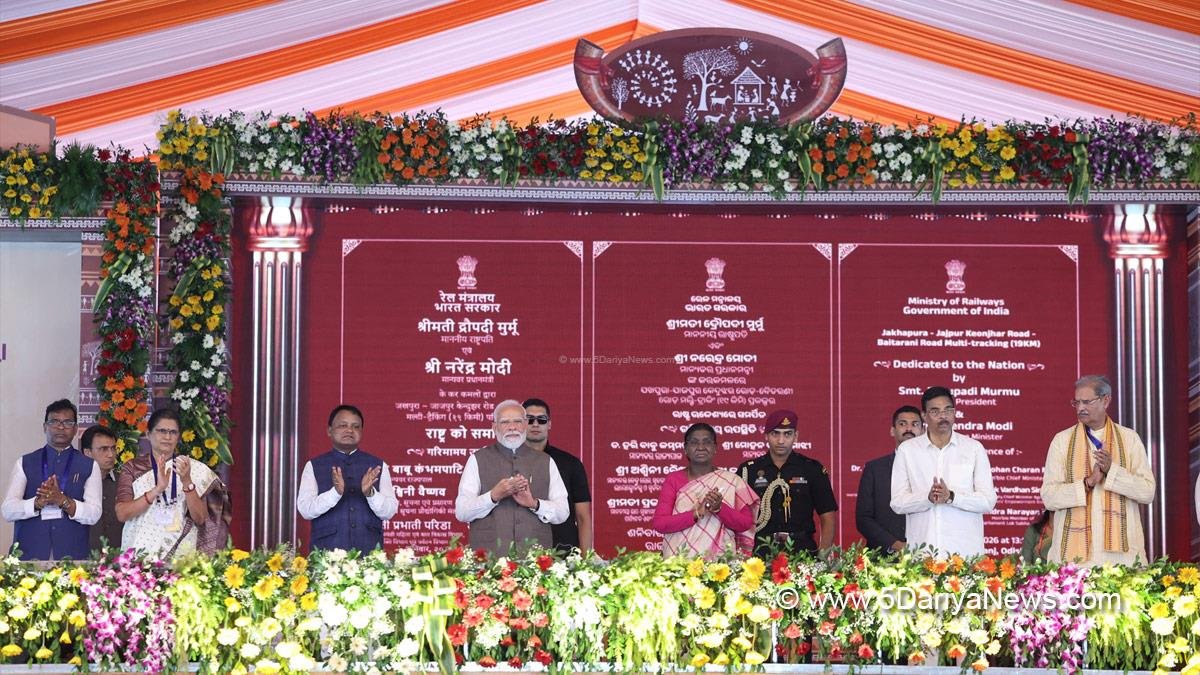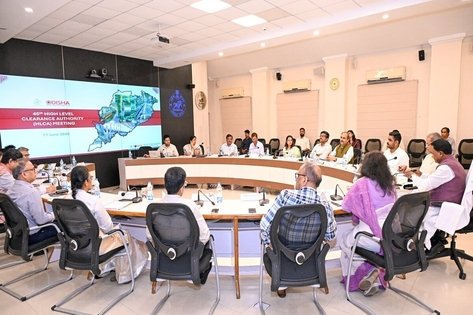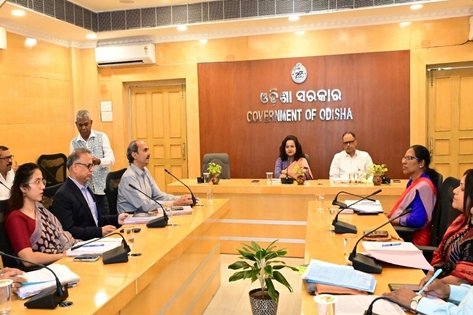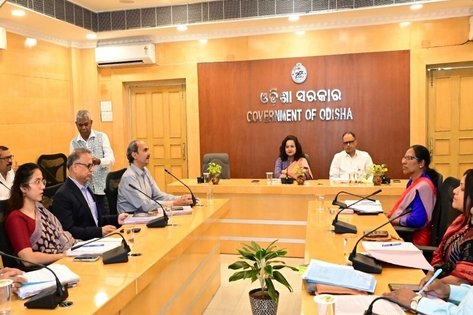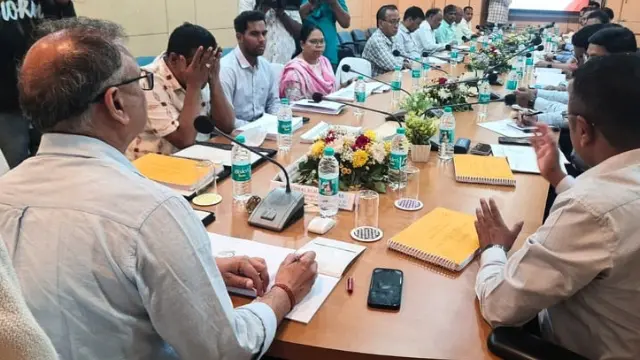
In a significant move towards realizing Viksit Odisha for Viksit Bharat, the Odisha Cabinet held its 45th meeting under the leadership of Chief Minister Mohan Charan Majhi at Lok Seva Bhawan on Saturday, where a groundbreaking proposal from the Housing and Urban Development Department was approved.
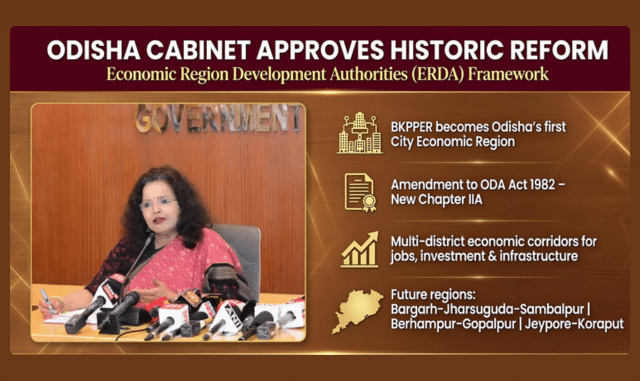
The Cabinet sanctioned the Odisha Development Authorities (Amendment) Bill, 2026, which facilitates the establishment of Economic Region Development Authorities (ERDAs) throughout the state.
This amendment to the Odisha Development Authorities Act of 1982 introduces new definitions for “Economic Region” and “Economic Region Development Authority” and adds a new Chapter IIA. This development creates a robust and scalable legal framework that empowers the State Government to designate and form future ERDAs without requiring new legislation each time.
Odisha’s Vision 2036 and 2047 recognizes urbanization as a key driver of economic progress. The strategy aims to transform urban clusters into integrated economic corridors that boast modern infrastructure, job creation, effective mobility, and coordinated service delivery.
Regions that have already been earmarked include:
- Bhubaneswar-Cuttack-Puri-Paradeep Economic Region (BKPPER)
- Bargarh-Jharsuguda-Sambalpur
- Berhampur-Chhatrapur-Gopalpur
- Jeypore-Koraput-Sunabeda
A preliminary economic plan for BKPPER has been developed in partnership with NITI Aayog. Following the Bill’s passage by the Odisha Legislative Assembly, BKPPER will be established as the state’s first City Economic Region (CER). The Union Budget for 2026-27 has recognized only four such City Economic Regions in India, including BKPPER, Varanasi (Uttar Pradesh), Surat (Gujarat), and Visakhapatnam (Andhra Pradesh), highlighting the national importance of Odisha’s initiative.
Chief Secretary Anu Garg pointed out that region-specific Economic Plans and Master Plans will facilitate planning that transcends individual municipal boundaries. This approach will utilize the unique strengths of the urban centers involved, attract investments, create jobs, and enhance housing, mobility, public services, and overall quality of life.
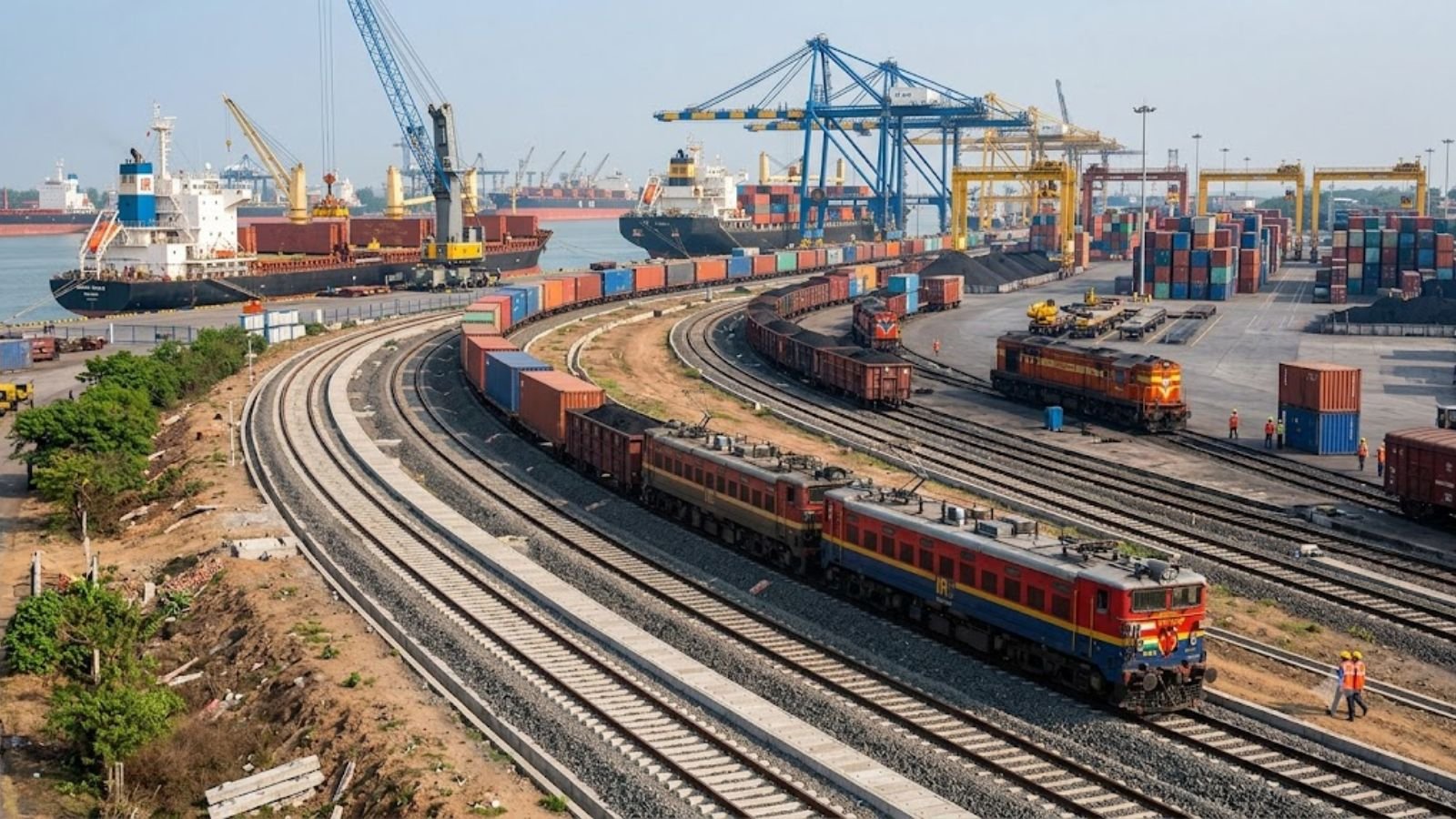
The new ERDAs will function as comprehensive statutory authorities to guarantee effective coordination among existing Development Authorities within each economic region, filling a crucial institutional gap for multi-district corridors that connect ports, industrial centers, urban locations, religious and cultural sites, and logistics infrastructures.
Through this forward-thinking reform, Odisha aims to lead the way in India’s evolving economic landscape by transforming clusters of cities into dynamic and cohesive growth engines.