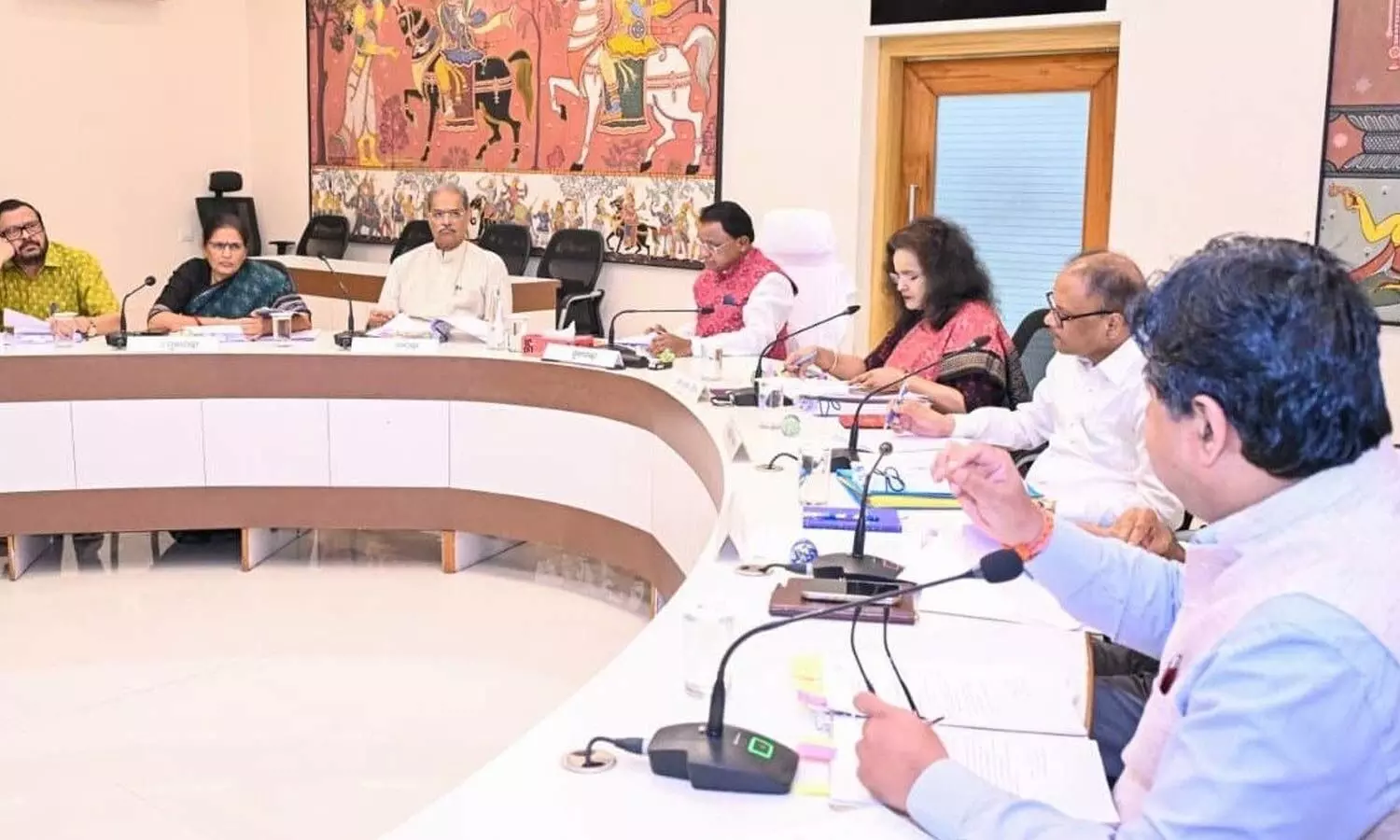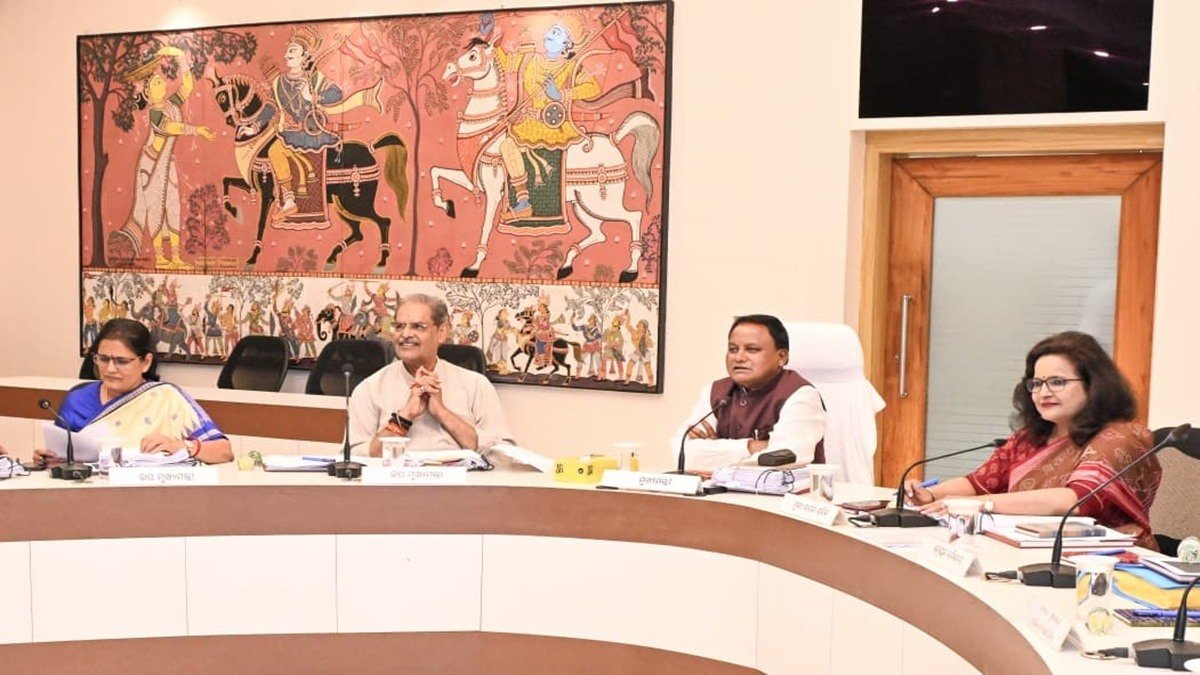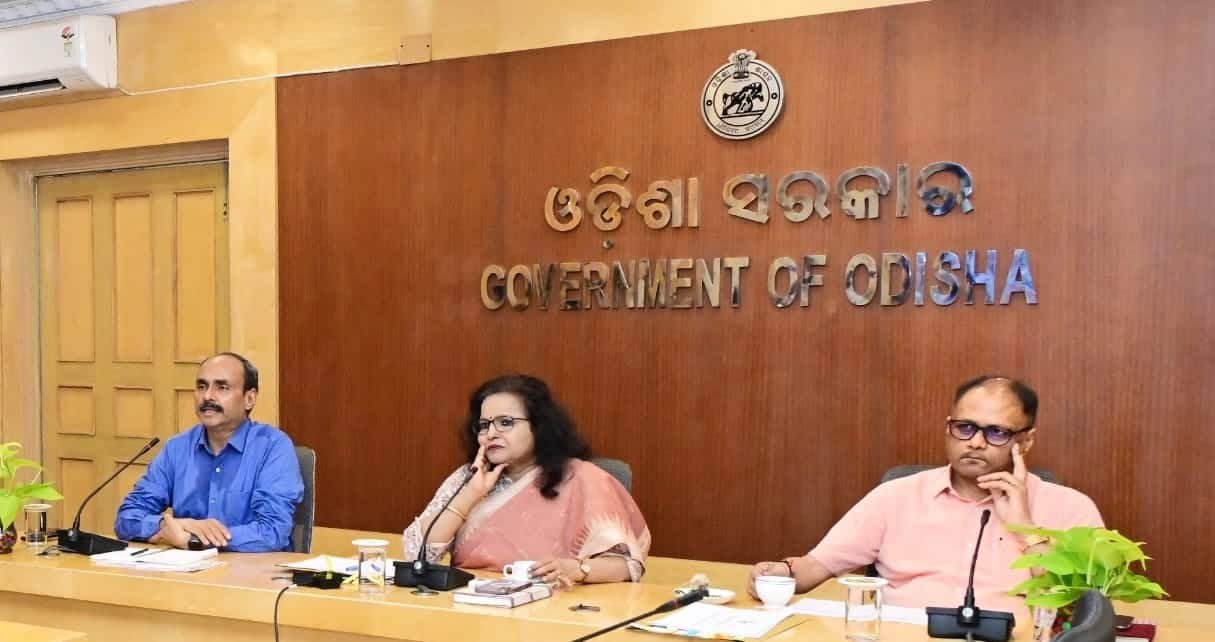
The Odisha Cabinet approved a proposal on Saturday to introduce the Odisha Development Authorities (Amendment) Bill, 2026, aimed at modifying the existing Odisha Development Authorities Act of 1982. This amendment will facilitate the formation of Economic Region Development Authorities.
With these new authorities, the state government will have the capability to manage multi-district economic corridors, streamlining the process to notify and establish future economic regions without needing new legislative measures for each instance.
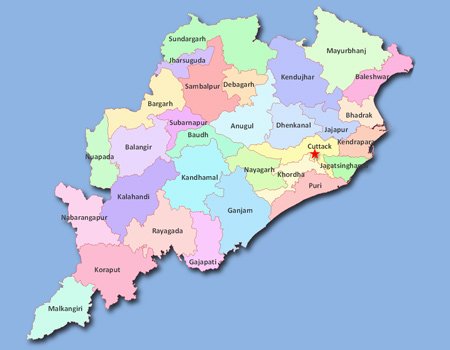
Once the amendments receive formal endorsement from the Odisha assembly, the state will establish its inaugural City Economic Region, named the Bhubaneswar-Kataka-Puri-Paradeep Economic Region (BKPPER).
BKPPER, developed as a pilot initiative in partnership with the federal think-tank NITI Aayog, aims to consolidate ports, industrial zones, urban areas, logistics systems, and sites of cultural and religious significance into a cohesive economic landscape.
The Union Budget for 2026-27 has recently identified BKPPER as one of four crucial City Economic Regions in India expected to drive national economic growth, alongside Varanasi, Surat, and Vishakhapatnam.
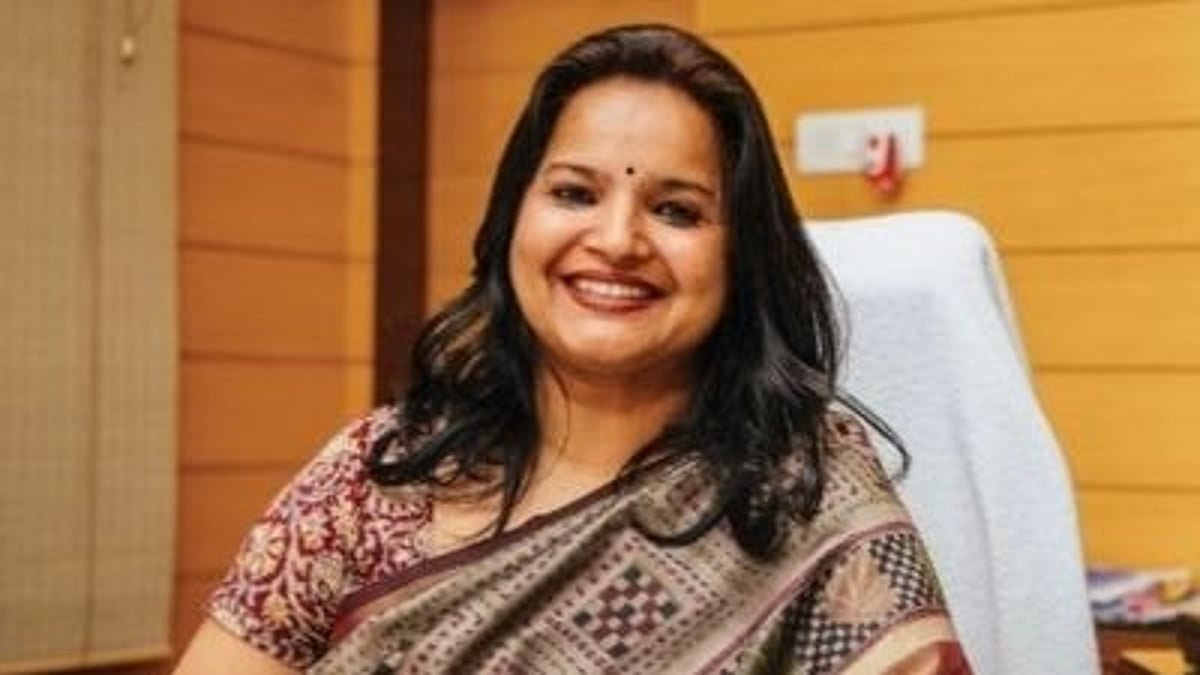
Chief Secretary Anu Garg stated that the regional master plans for these areas will extend beyond conventional municipal limits to harness complementary economic advantages, draw significant investments, and enhance public mobility and housing options.
Additional planned agglomerations in this phased development include the Bargarh-Jharsuguda-Sambalpur region, Berhampur-Chhatrapur-Gopalpur, and Jeypore-Koraput-Sunabeda.
In a separate initiative, the Cabinet also sanctioned the second phase of the state’s flagship tribal livelihood program, the Mukhya Mantri Janajati Jeevika Mission (MMJJM 2.0). This phase aims to reach eight lakh Tribal and Particularly Vulnerable Tribal Group (PVTG) households, a significant increase from the 1.5 lakh households in the initial phase across 13 districts.
The expanded program will cover 19 districts, including 134 Tribal Sub-Plan (TSP) and Micro Project Area (MPA) blocks, 23 Integrated Tribal Development Agencies (ITDAs), and 20 Micro Project Areas (MPAs).
The mission is set to be executed over a five-year period, from 2026-27 to 2030-31, with a total budget of ₹2,995 crore, entirely funded by the state government. Each household will receive financial aid of ₹30,000, disbursed in two installments through the Direct Benefit Transfer (DBT) system.
Adopting a beneficiary-centric approach, the program will allow each tribal household to select livelihood activities that align with their local resources. It encompasses various activities such as agriculture, horticulture, livestock raising, fishing, sericulture, Non-Timber Forest Produce (NTFP) value chains, traditional arts and crafts, handlooms, and rural entrepreneurship.
Furthermore, the mission will implement specific interventions tailored to the needs of PVTG communities, including essential nutritional support for children and mothers, as well as the establishment of childcare facilities. A special Flexi Fund of ₹500 crore has been allocated to address particular infrastructure requirements in PVTG areas through a grassroots planning strategy.