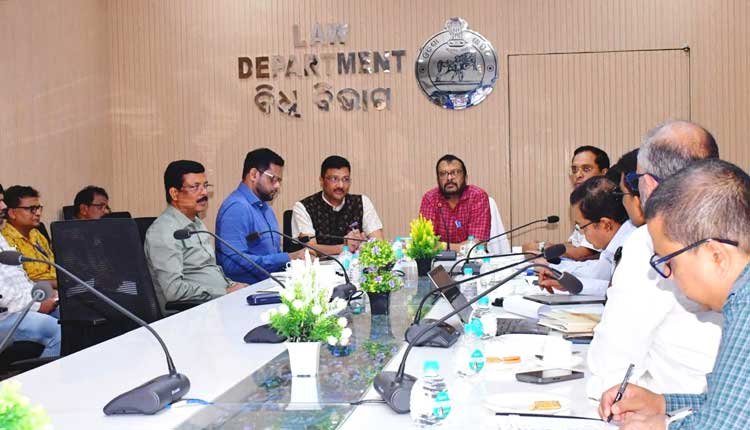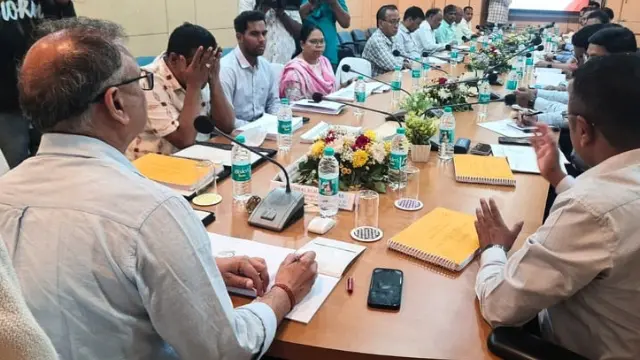
New Delhi [India], July 17 (ANI): On Thursday, the Ministry of Civil Aviation held a workshop at Vigyan Bhawan, New Delhi, aimed at discussing the upcoming phase of the UDAN Scheme. This gathering brought together essential players from the aviation industry to strategize on enhancing regional air connectivity across the nation.
The ‘Modified UDAN’ scheme was initially introduced by Prime Minister Narendra Modi on July 4 at Jodhpur Airport.
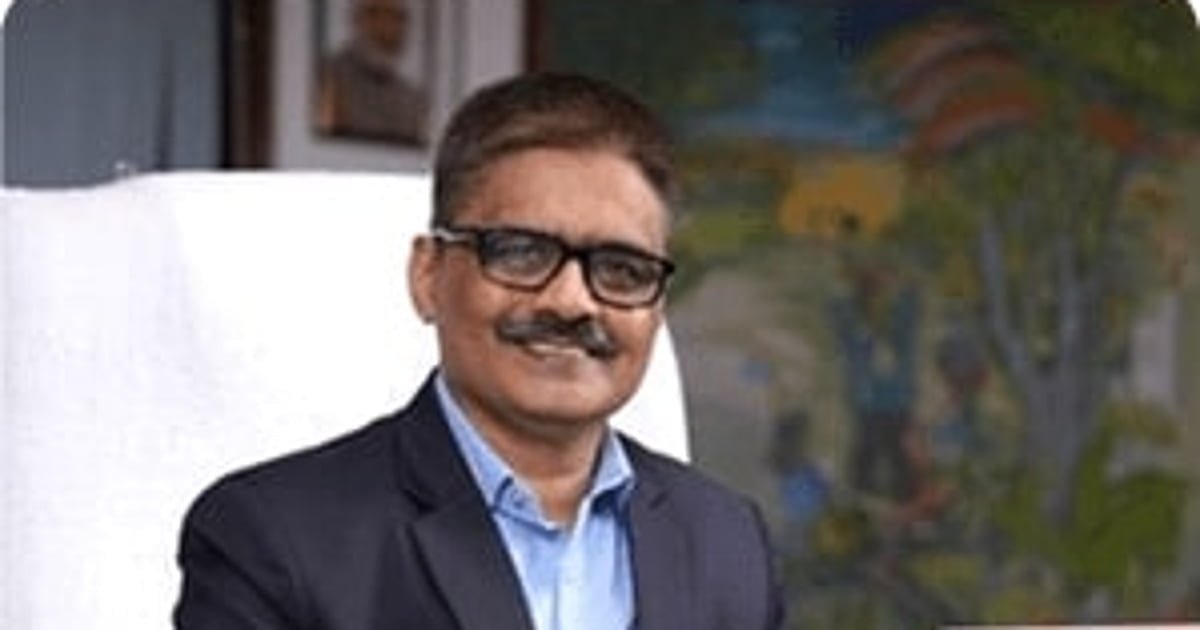
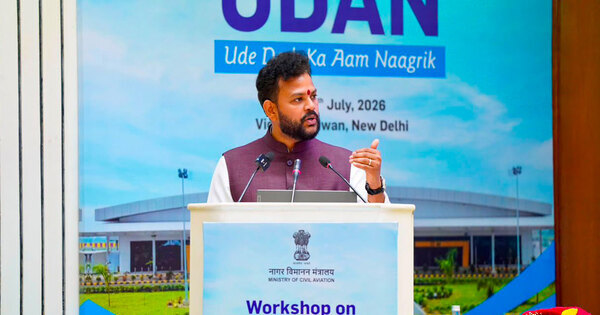
The workshop was officially opened by Rammohan Naidu Kinjarapu, the Union Minister of Civil Aviation, who was joined by Murlidhar Mohol, Minister of State for Civil Aviation; Samir Kumar Sinha, Secretary of the Ministry; and Vipin Kumar, Chairman of the Airports Authority of India (AAI).
The event featured the launch of a digital exhibition on UDAN, highlighting its accomplishments and the positive impact on regional air connectivity. A short film showcasing the scheme’s success was also presented during the opening remarks.
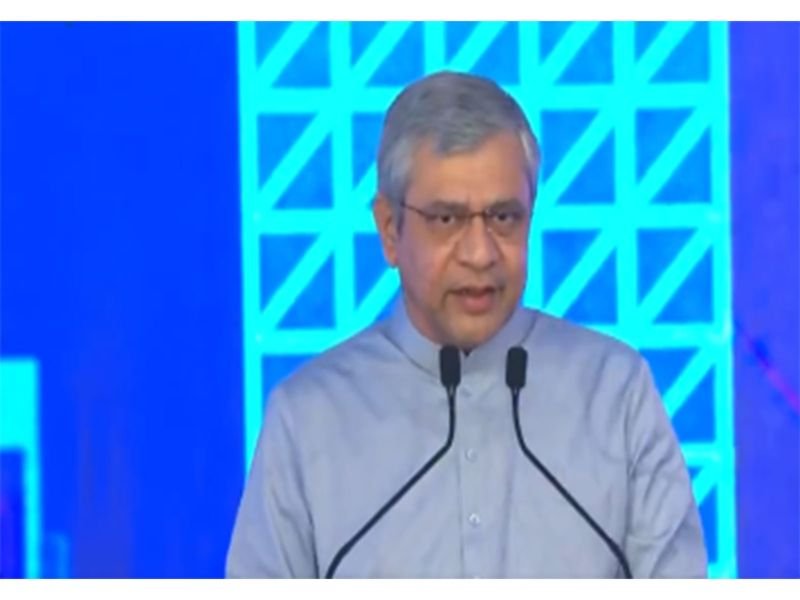
During his keynote address, Kinjarapu discussed the next phase of UDAN, outlining the government’s vision for expanding regional air connectivity. He emphasized the importance of balanced regional development and ensuring that the advantages of aviation reach all areas of the country.
Kinjarapu remarked, ‘In 2001, India had 65 airports. By 2014, that number grew to 74 airports — an increase of only nine airports in 13 years. In contrast, we have added 90 airports in just the last 12 years! We have successfully revived 55 dormant airstrips and turned them into operational airports! This remarkable growth, which has positioned India as the third-largest domestic civil aviation market, is a result of the Prime Minister’s visionary UDAN program! Ten years ago, traffic was primarily concentrated at the top six airports, leaving many Tier-II and Tier-III cities underserved or unserved. However, the National Civil Aviation Policy 2016, introduced under the Prime Minister’s leadership, has dramatically altered the civil aviation landscape.’
Kinjarapu also highlighted how the perception of air travel has changed under the Prime Minister’s leadership. ‘Thanks to PM’s vision, the common man can now confidently access air travel to even the most remote areas of the country. With initiatives like the Udan Yatri Cafe offering affordable refreshments, we are making air travel accessible to the middle class and the neo-middle class.’
Emphasizing the resilience of the aviation sector, Ram Mohan Naidu noted, ‘Despite global geopolitical tensions, our domestic passenger numbers remain strong, with around five lakh travelers daily. In May, we achieved a record in domestic air traffic, serving over 1.5 crore passengers.’
Naidu shared success stories linked to UDAN, such as how residents of Darbhanga previously had to travel 150 km to catch a flight, while now, Darbhanga’s renowned shahi litchi is reaching international markets. He also mentioned the experience of Kishangarh, where the marble industry has thrived since the airport’s establishment in 2017, facilitating direct connectivity for exports and catering to millions of pilgrims annually at local temples.
During the workshop, the Minister presented the provisions of the Modified UDAN Scheme and compared it with the previous version.
Murlidhar Mohol, the Minister of State for Civil Aviation, reaffirmed the government’s dedication to making air travel more affordable and accessible, especially for residents in remote and Tier-II and Tier-III locations.
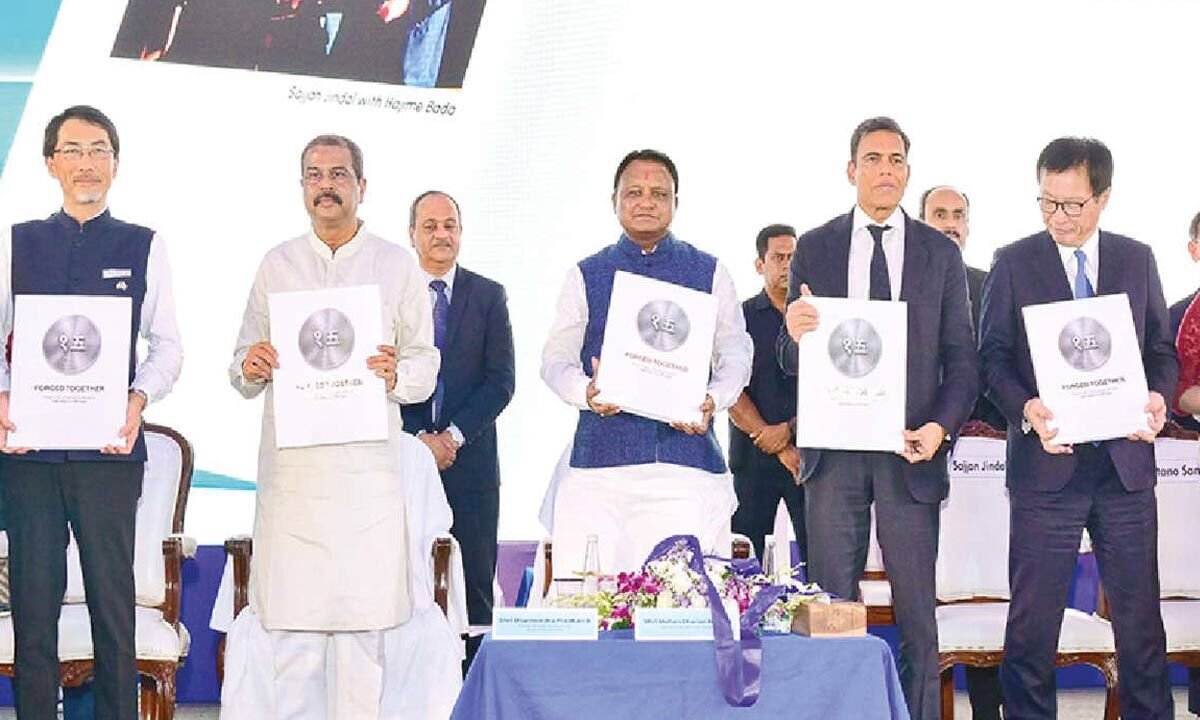
A significant component of the workshop was the introduction of the UDAN Scheme Document, which outlines the vision, objectives, and implementation strategies for the scheme’s next phase. This document serves as a strategic guide for enhancing regional connectivity, airport infrastructure, and unlocking new growth avenues within the aviation sector.
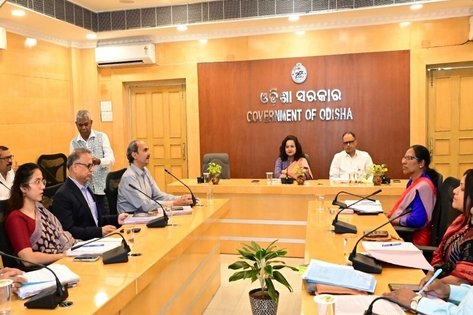
The workshop saw participation from a variety of stakeholders, including airline representatives, airport operators, state officials, and industry partners. Discussions centered around strategies for implementation, infrastructure readiness, coordination among stakeholders, and opportunities to further strengthen the regional aviation sector.
The Ministry of Civil Aviation emphasized that the UDAN scheme has been instrumental in democratizing air travel, linking underserved regions, stimulating tourism, facilitating trade, and creating job opportunities. The forthcoming phase of the scheme aims to build upon these successes and continue advancing India’s aviation industry.