A decade after NLC India Limited (NLCIL) introduced its “Wealth for Well-being” initiative in Odisha, many residents in the project-affected areas of Jharsuguda and Sambalpur remain doubtful about the real impact of industrial development on their welfare.
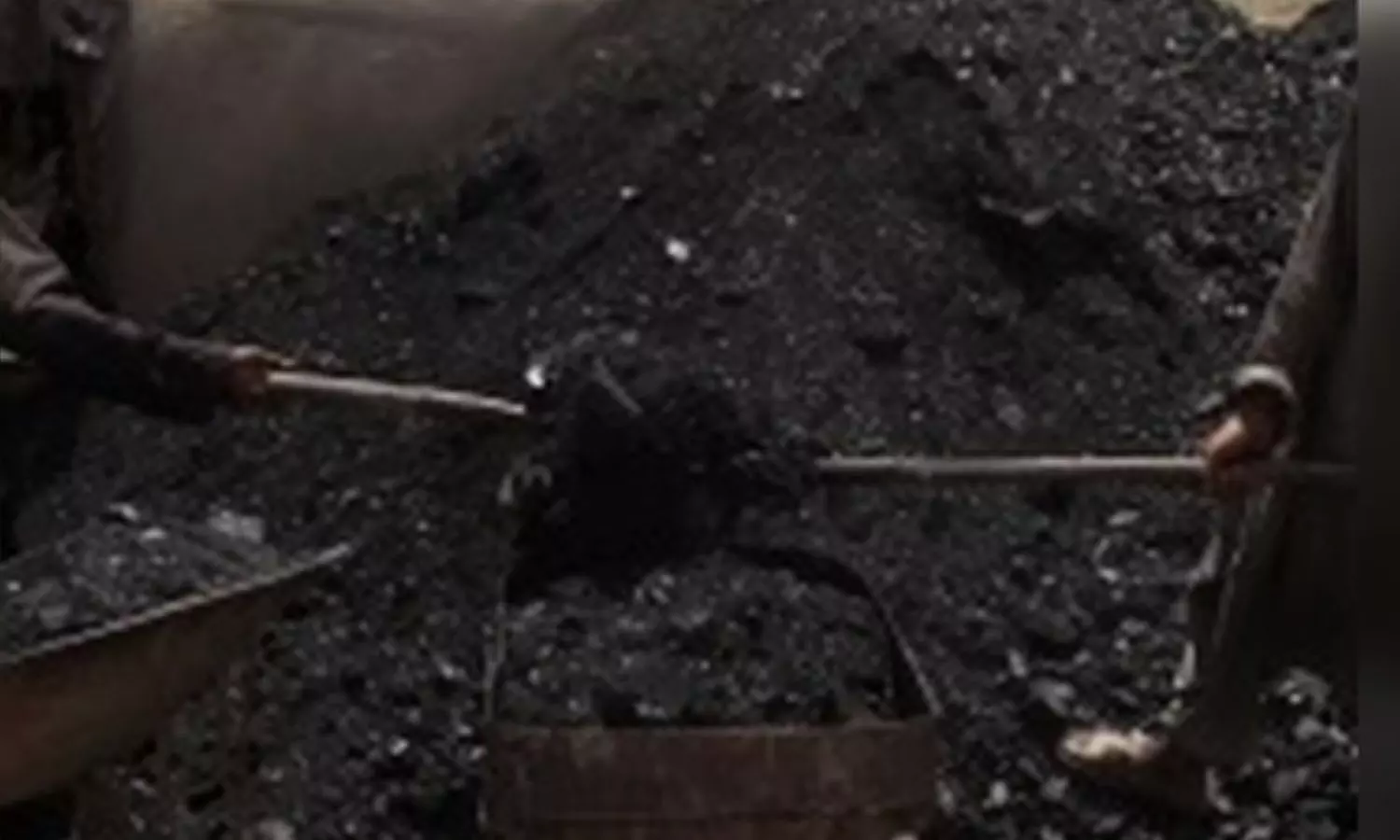
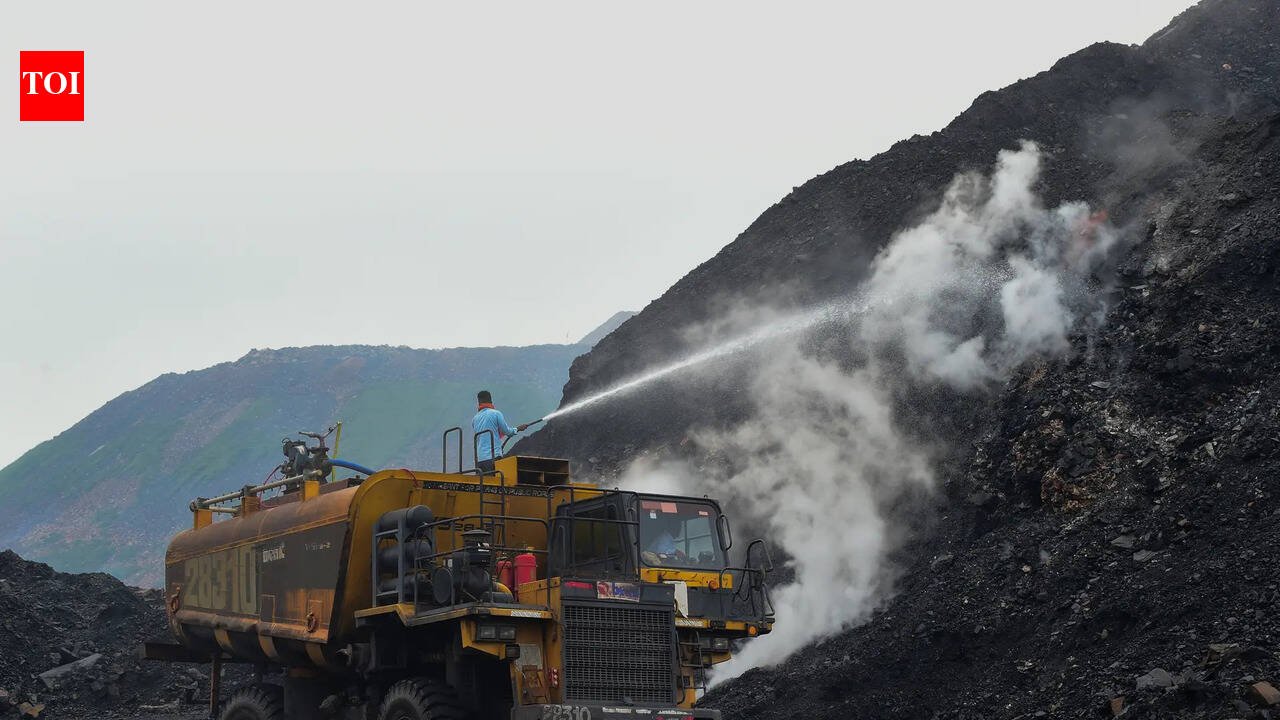
The origins of this issue trace back to a Supreme Court ruling in 2014 that annulled 204 coal block allocations, creating uncertainty for thousands of mining jobs. In 2016, the public sector entity NLCIL was granted the Talabira II & III coal blocks, designating 5 million tonnes for its Tuticorin facility and another 15 million tonnes for a proposed project in Jharsuguda.
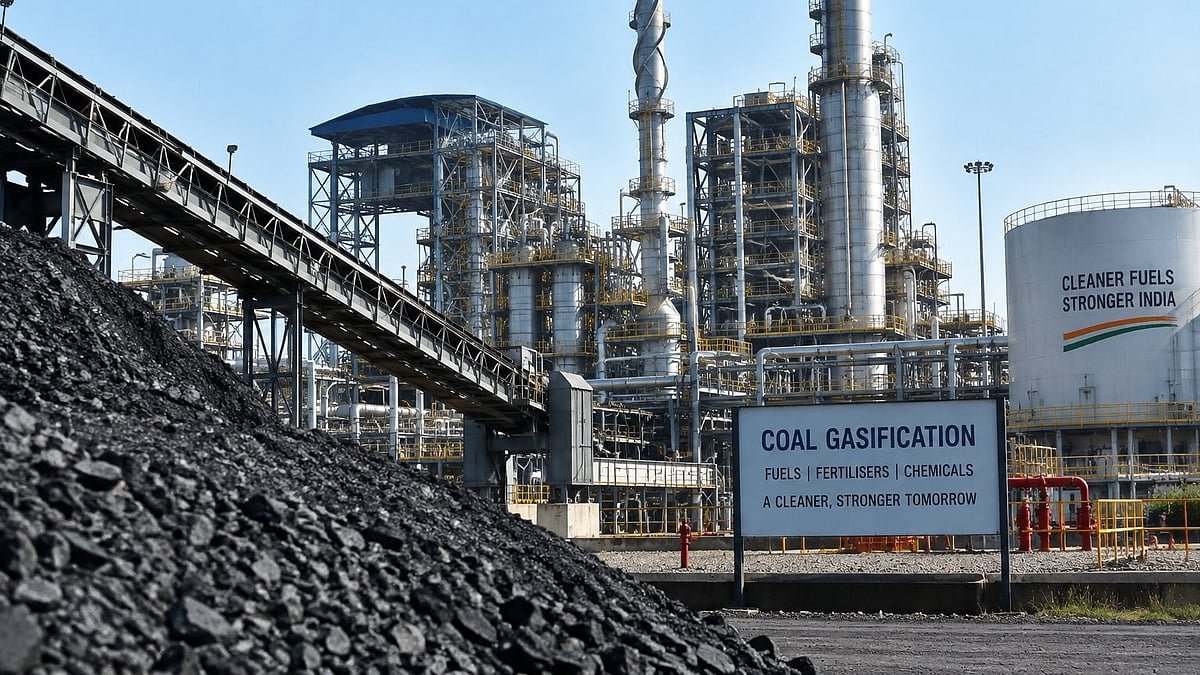
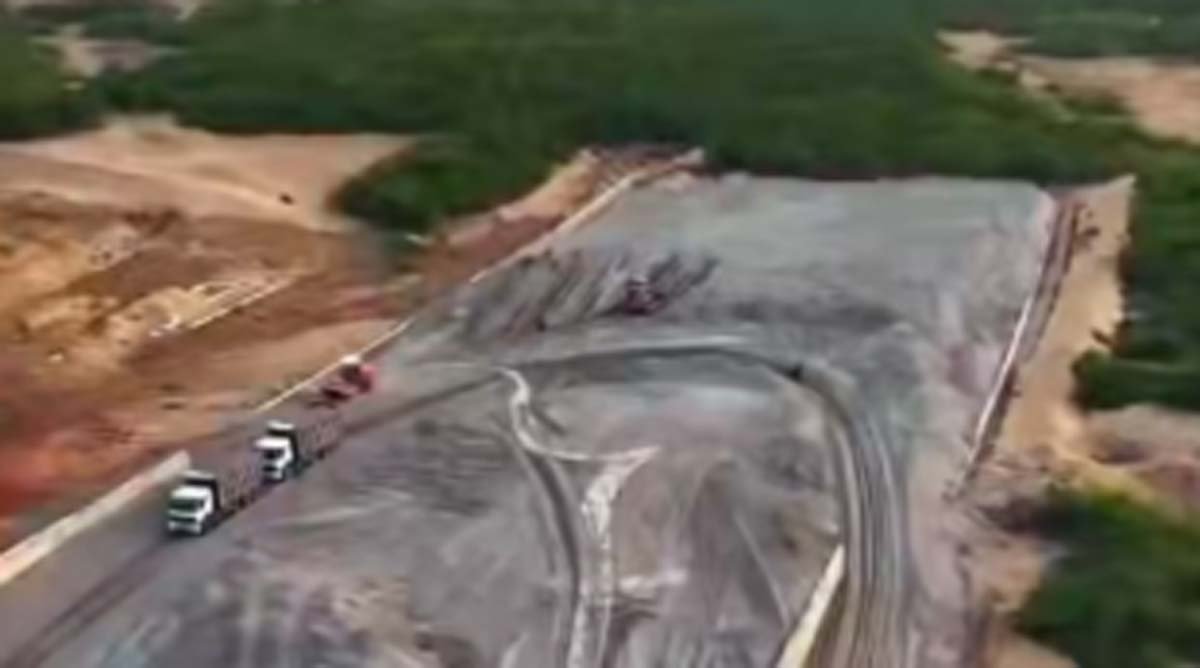
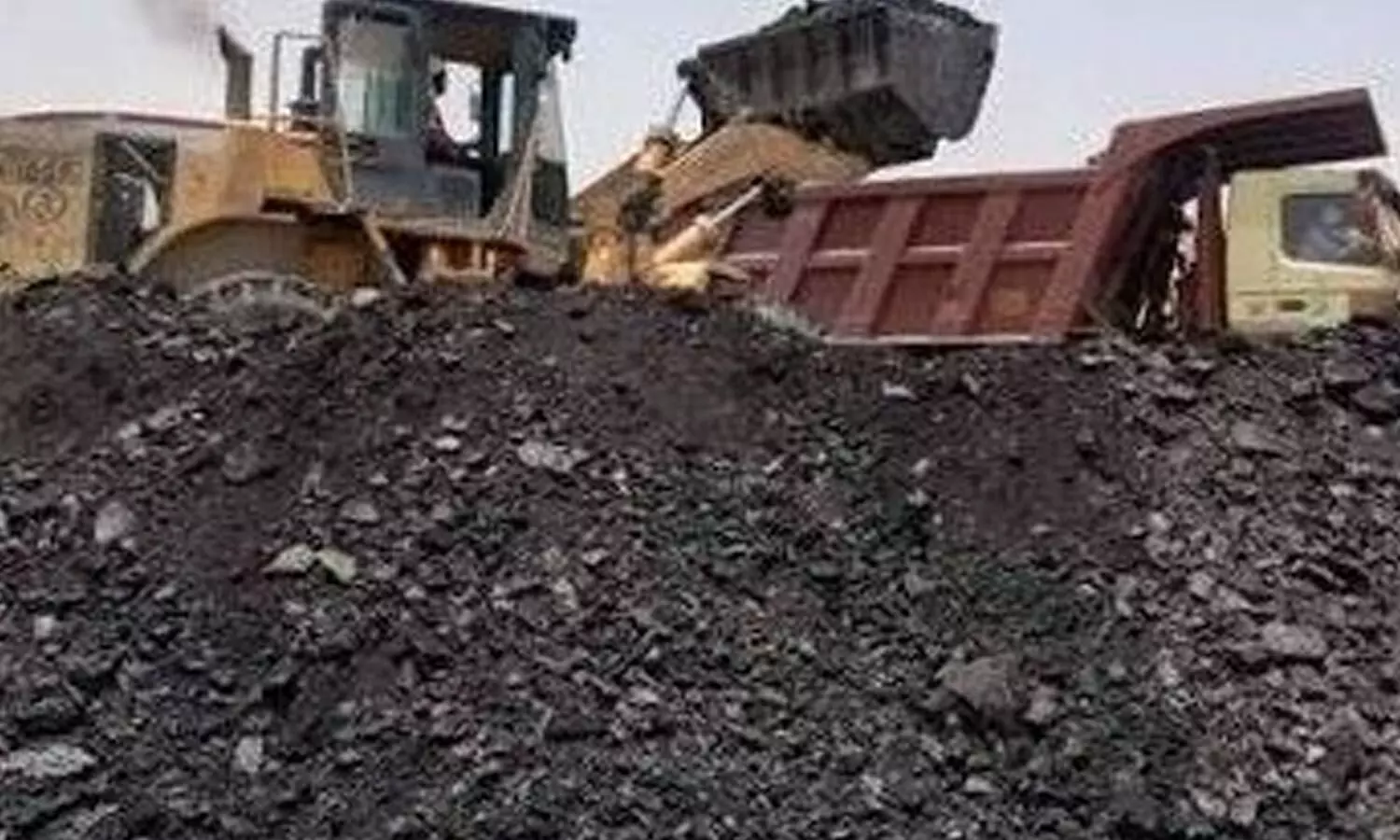
Initially, the community welcomed NLCIL’s presence with high hopes for job creation, industrial advancement, and significant investments in essential infrastructure such as water supply, roads, healthcare, and sanitation. Mining operations commenced on December 11, 2019, and commercial coal production began on April 26, 2020. NLCIL was also authorized to market coal despite the thermal power plant in Jharsuguda not yet being operational.
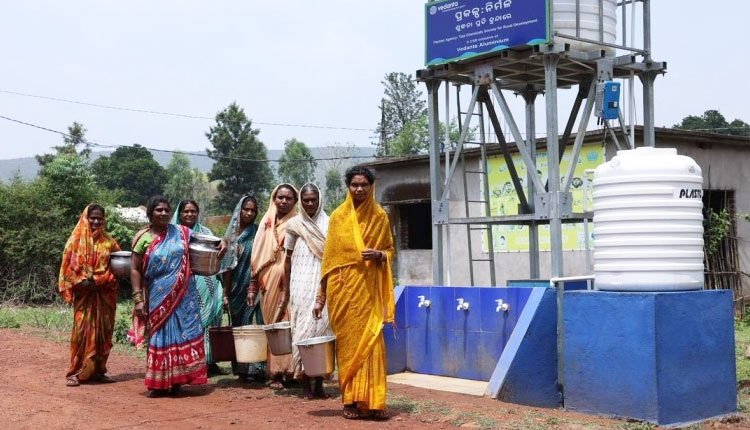
Reports from local stakeholders indicate that coal auctions from the Talabira II & III Open Cast Project have yielded almost Rs 2,000 crore in profits, raising expectations for meaningful development in the affected villages. However, residents claim that fundamental developmental requirements remain largely unmet, with many villages still dependent on water tankers sourced from nearby canals despite ongoing requests for permanent drinking water solutions. Additionally, there has been slow progress in critical sectors like road infrastructure, healthcare, sanitation, job creation, and other essential public services.
There are increasing concerns regarding the implementation of Corporate Social Responsibility (CSR) initiatives. Local stakeholders assert that ineffective regional planning and coordination have obstructed the successful allocation of CSR funds. They point to administrative overlaps between the Talabira mining project and the thermal power project still under construction, noting that development proposals often get stalled due to bureaucratic delays caused by the shuffling of responsibilities between CSR and Corporate Environmental Responsibility (CER) provisions.
Public discontent is growing, with residents feeling that the social and developmental benefits are falling short compared to the extensive mining activities and the generated revenues. To remedy this situation, community leaders and local representatives urge NLC India Limited to appoint a CSR officer who possesses local knowledge and expertise in community development.
Having a dedicated officer to oversee community development for both the Talabira mining and Jharsuguda Thermal Power Project could enhance planning, improve the utilization of CSR resources, and build long-lasting goodwill with the affected communities.