
Andhra Pradesh is on the verge of becoming a leading aviation gateway for India’s eastern maritime region. Prime Minister Narendra Modi’s vision is encapsulated in his statement, “Even a common man wearing Hawai chappals (slippers) should board a Hawai jahaz (aeroplane).” This sentiment reflects his belief that air travel should not be a privilege of the wealthy, but rather a vital component of national progress accessible to all citizens.
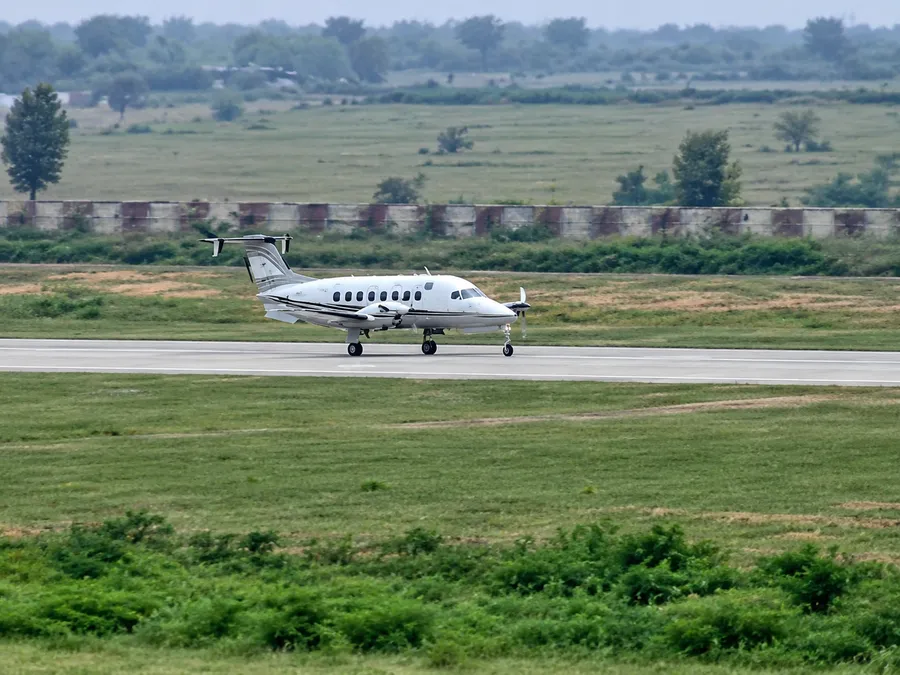
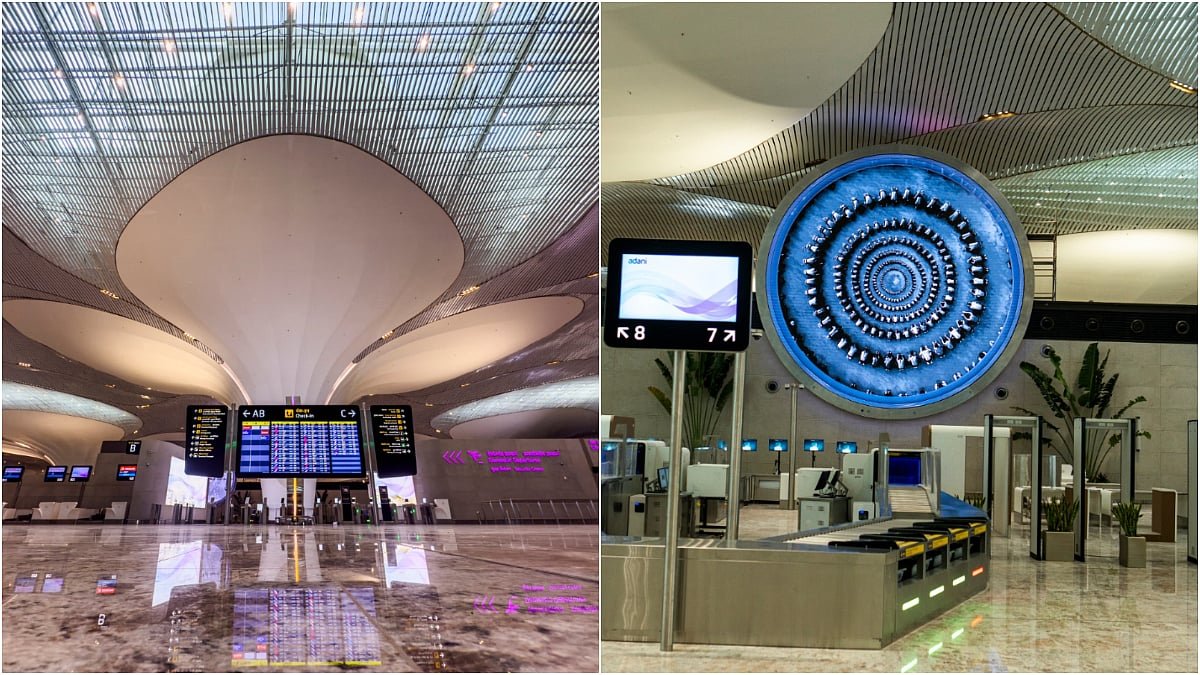
In this context, the Bhogapuram International Airport is being rapidly developed and is set for inauguration on August 1, in the presence of Andhra Pradesh Chief Minister Nara Chandrababu Naidu, central and state officials, and various dignitaries. This event represents a significant milestone in the advancement of North Andhra, as the airport, equipped with world-class facilities, is anticipated to boost international trade, tourism, industrial investments, IT, and logistics.
As a central hub for the Visakhapatnam-Bhogapuram development corridor, the airport is expected to create thousands of job opportunities and elevate North Andhra to a key economic center in India. The opening of this airport signifies more than just an infrastructural addition; it heralds a new era of development, attracting global investments and fulfilling the aspirations of the local populace.
The Bhogapuram Greenfield International Airport is poised to dramatically alter the economic landscape of North Andhra. With the Central Government’s swift provision of environmental and technical approvals, this project is set to transform the economic dynamics of Visakhapatnam, Vizianagaram, and Srikakulam districts.
Constructed at an estimated cost exceeding Rs 4,500 crore, the airport aims to accommodate 60 lakh passengers annually in its initial phase, positioning the Visakhapatnam coastal area as a crucial hub for international cargo, pharmaceutical exports, and tourism.
Over the past twelve years, the Modi administration has made notable contributions to the aviation sector in Andhra Pradesh. Airports that previously struggled with limited services have now been modernized and are experiencing increased passenger traffic. The Vijayawada Gannavaram Airport has been enhanced with a new terminal for international travelers and runway extensions for larger aircraft. An eco-friendly ‘Garuda’ terminal has also been introduced for international visitors to Tirupati, which has gained international status, elevating Rayalaseema’s profile.
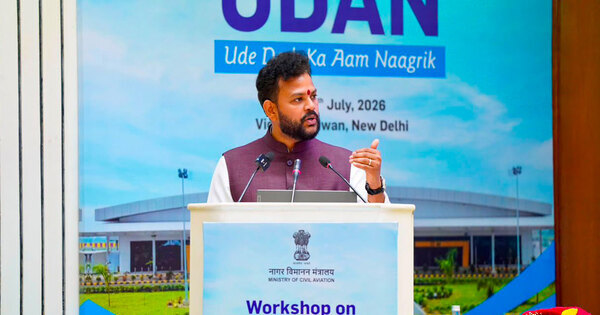
The UDAN scheme has revitalized underdeveloped areas in Andhra Pradesh, with the Kurnool airport being completed swiftly for commercial flights. Furthermore, improvements made to the Rajahmundry and Kadapa airports, including installing Instrument Landing Systems (ILS) and extending runways, have ensured safe night-time landings. This expansion has broadened flight services beyond major cities to all regions of the state, supported by government funding.
The changes in the aviation industry have reinvigorated Andhra Pradesh’s industrial growth, aligning with the saying, “As trees grow, birds arrive; as infrastructure grows, industries arrive.” Industries in the pharma, automobile, textile, and electronics sectors along the Visakhapatnam-Chennai Industrial Corridor now have enhanced access to international markets, leading to increased Foreign Direct Investments (FDIs). The government’s approach underscores that comprehensive development hinges on infrastructure development, positioning Andhra Pradesh as a pivotal aviation hub for eastern India.
In Telangana, the Central Government is similarly advancing the aviation sector, particularly at Rajiv Gandhi International Airport (RGIA) in Hyderabad, where expansion efforts aim to increase passenger capacity from 1.2 crore to 3.4 crore annually. There are also plans to expand flight services to tier-2 cities to promote regional balance.
Efforts are underway to revive the Mamunoor airport in Warangal, addressing long-standing aspirations of local residents and business leaders. Feasibility studies for new airports under the UDAN scheme are nearing completion, promising connections to industrial and pilgrimage routes across Telangana.
With rapid site assessments and feasibility studies for cargo and passenger operations in various regions, the strategy aims to decentralize investments by establishing aviation hubs throughout the state. These initiatives are expected to enhance supply chains for the swift export of local tourism, agriculture, and pharmaceutical products, further energizing Telangana’s economy.
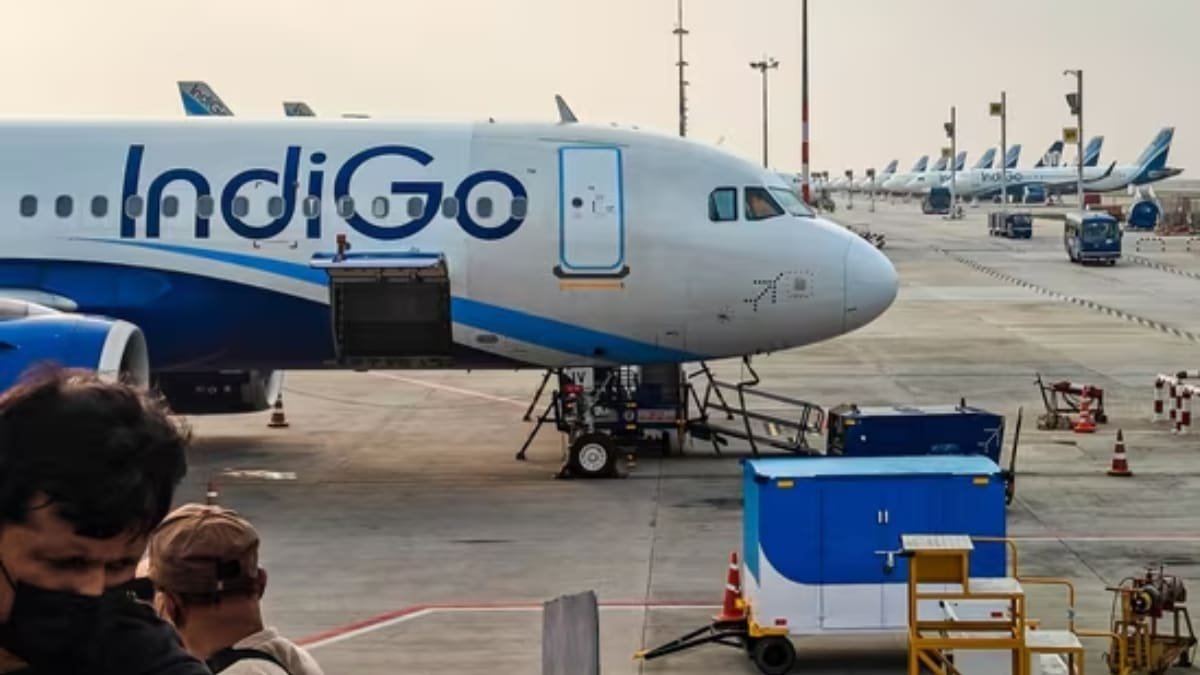
The aviation sector is progressing rapidly, as demonstrated by the significant advancements achieved during the Modi administration compared to the Congress-led UPA’s tenure from 2004 to 2014. Under Modi, the number of operational airports has surged from 74 to over 150, with passenger traffic increasing from six crore to over 22 crore annually. The fleet of aircraft has expanded from 400 to more than 800, and Indian airlines have set international records with orders for over 1,200 new aircraft.
In contrast to the previous administration, which viewed aviation as a luxury, the NDA government has successfully privatized Air India, turning it towards profitability while modernizing national aviation infrastructure with over Rs 1.3 lakh crore in investment. The UDAN scheme has enabled over 1.3 crore passengers to fly affordably across more than 500 new regional routes. Plans are in place to invest an additional Rs one lakh crore over the next five years for new airport construction, expansions, and green infrastructure initiatives, solidifying India’s status as a global aviation powerhouse.