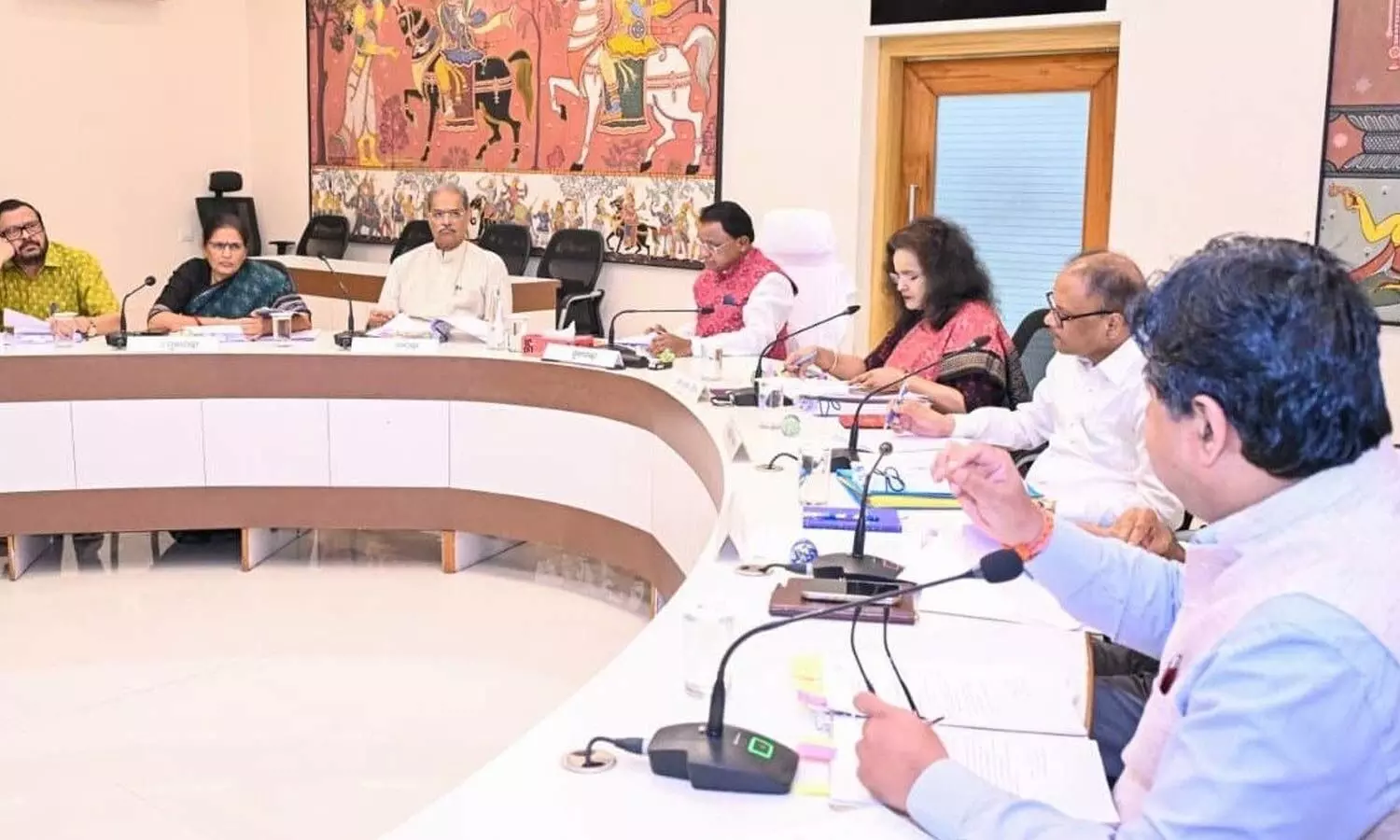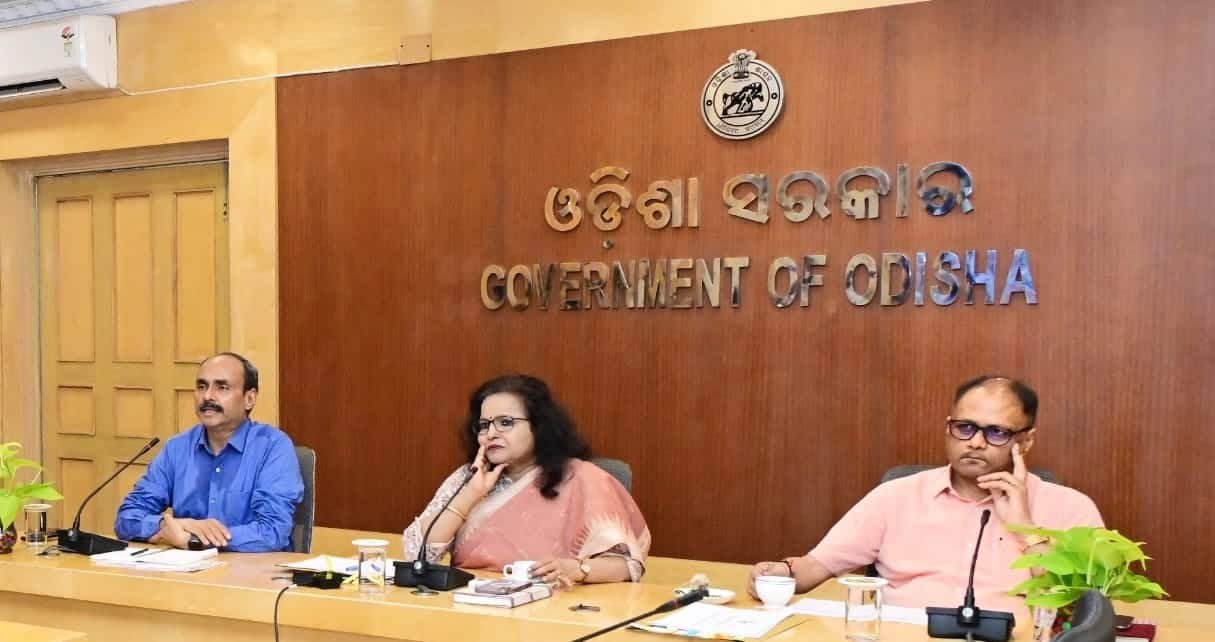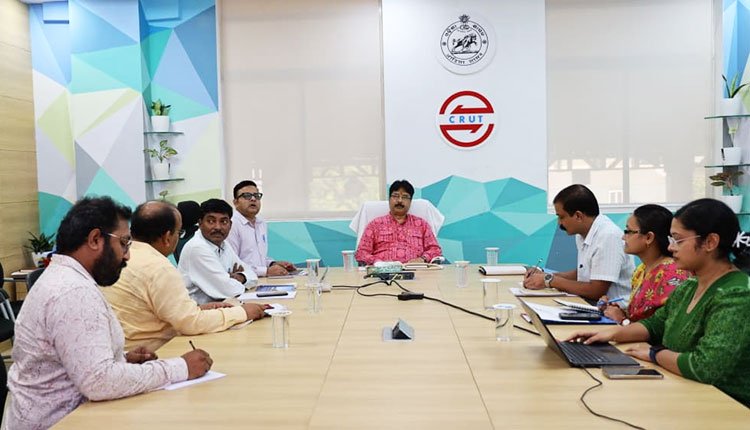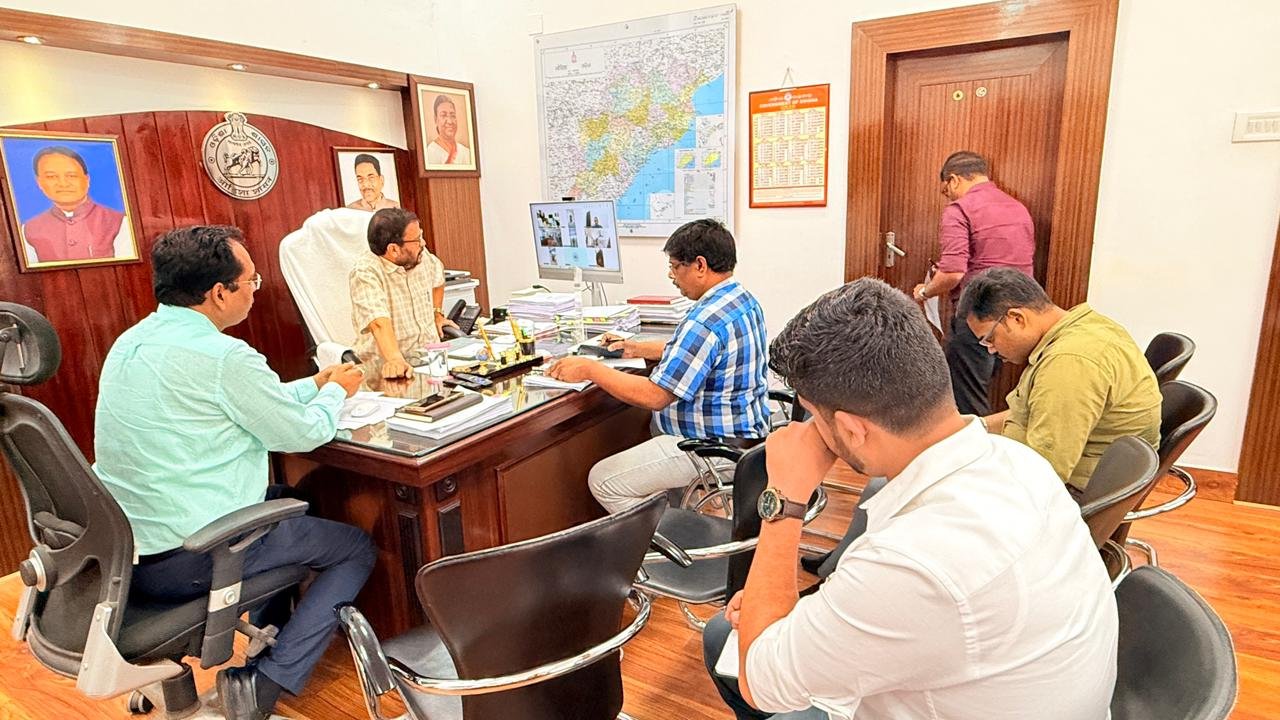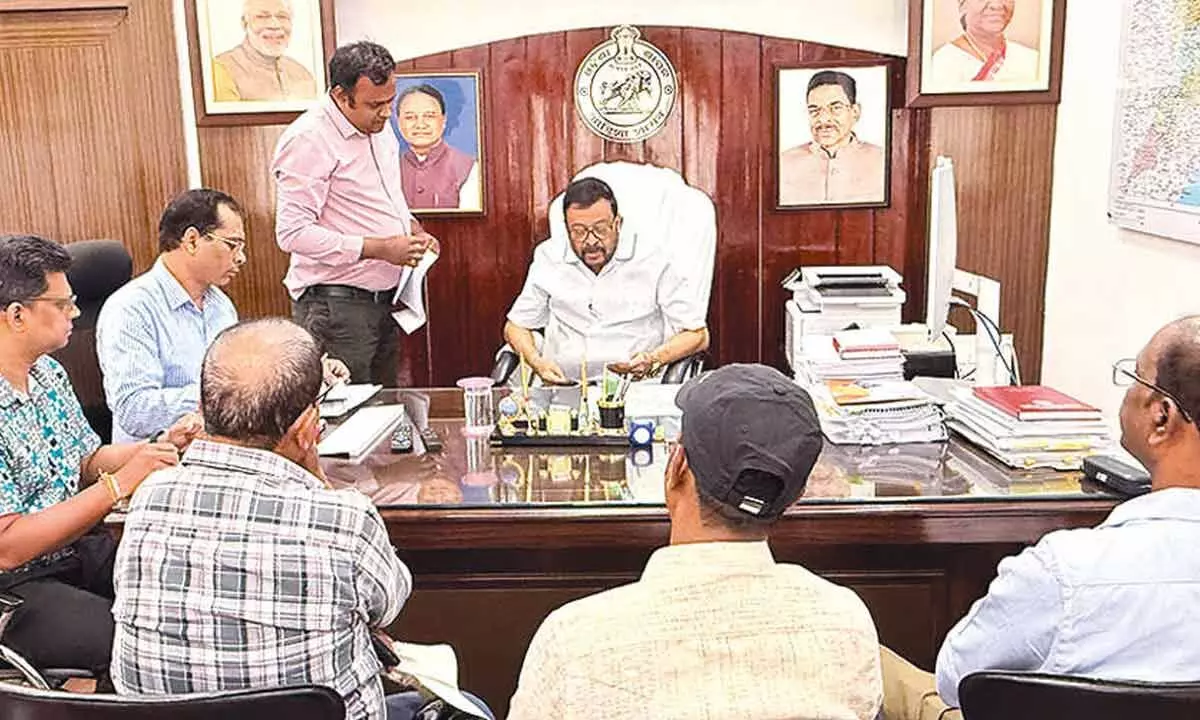
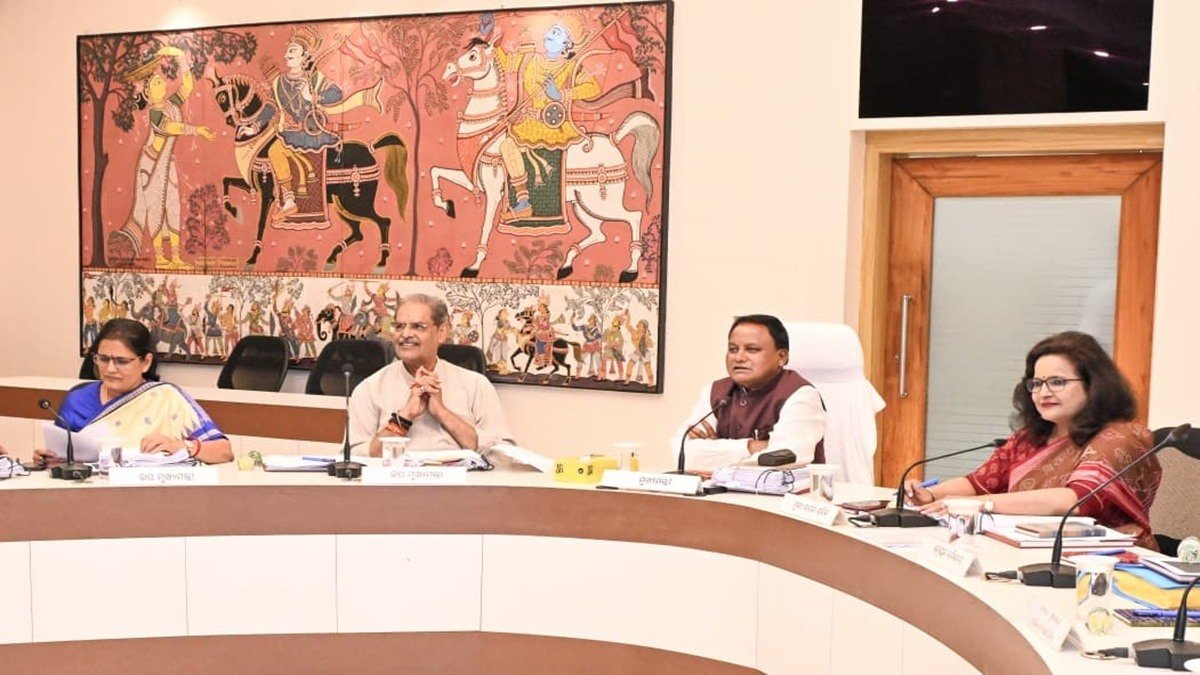
On Saturday, August 1, the Odisha cabinet endorsed a ₹2,995 crore livelihood mission focused on supporting tribal communities and approved a bill to set up ‘Economic Region Development Authorities’ (ERDAs) aimed at fostering planned urban development across the state. These resolutions were part of 11 proposals discussed during a meeting led by Chief Minister Mohan Charan Majhi.
Chief Secretary Anu Garg announced that the cabinet had approved amendments to the Odisha Development Authority (ODA) Act of 1982, which will allow for the creation of ERDAs in Odisha. This initiative is designed to promote urbanization as a key driver of economic growth by facilitating the planned development of urban clusters into integrated economic corridors, equipped with modern infrastructure, job opportunities, efficient transportation, and coordinated public services.
“Urbanisation is a major engine of economic growth and provides for the planned development of city agglomerations as integrated economic corridors with modern infrastructure, employment hubs, efficient mobility and coordinated service delivery,” Garg stated to the press following the meeting.
The state has plans for several urban clusters, including:
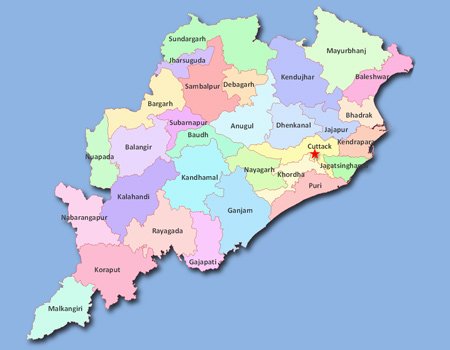
- Bhubaneswar-Cuttack-Puri-Paradeep Economic Region (BKPPER)
- Bargarh-Jharsuguda-Sambalpur corridor
- Berhampur-Chhattrapur-Gopalpur agglomeration
- Jeypore-Koraput-Sunabeda region
A preliminary economic plan has already been created for BKPPER in collaboration with the National Institution for Transforming India (NITI) Aayog.
Garg explained that developing region-specific economic plans would facilitate planning that transcends municipal limits, leverage the complementary advantages of adjacent urban areas, attract investment, generate jobs, and enhance housing, transportation, public services, and overall living standards.
Additionally, the cabinet greenlit the Mukhya Mantri Janajati Jeevika Mission (MMJJM) 2.0, a significant initiative aimed at improving the socio-economic status of eight lakh tribal households, including those from Particularly Vulnerable Tribal Groups (PVTGs) in Odisha. This mission will operate over five years, from 2026-27 to 2030-31, with a complete funding of ₹2,995 crore provided by the state government. The initial phase will start in 13 districts, reaching approximately 1.5 lakh tribal households.
The program aims to enhance income and the overall welfare of tribal and PVTG families by fostering sustainable agricultural, off-farm, and non-farm livelihood opportunities through the establishment of production clusters. Officials emphasized that the government’s priority lies in creating long-term income sources rather than providing temporary assistance.
Garg mentioned that the Union Budget for 2026-27 recognized four city economic regions in India as crucial for economic growth, including BKPPER, alongside Varanasi in Uttar Pradesh, Surat in Gujarat, and Visakhapatnam in Andhra Pradesh. She noted that Odisha requires effective administrative frameworks to manage these urban economic regions, which is the rationale behind proposing ERDAs.
The Odisha Development Authorities (Amendment) Bill, 2026, will establish a legal framework for the formation, authority, and operations of ERDAs, aimed at promoting coordinated and integrated development in economic regions across the state. The cabinet also approved six proposals from the Water Resources Department intended to bolster Odisha’s agricultural sector by increasing irrigation coverage and enhancing administrative efficiency.