Bhubaneswar: As the manufacturing sector in India embarks on a new era of industrial progress, digital technologies are playing a crucial role in promoting safer operations, increased efficiency, and enhanced operational resilience. In line with this trend, Vedanta Aluminium, the largest aluminium producer in India, is adopting Artificial Intelligence (AI), the Industrial Internet of Things (IIoT), sophisticated analytics, and intelligent safety systems throughout its operations, paving the way for a new phase of connected manufacturing.
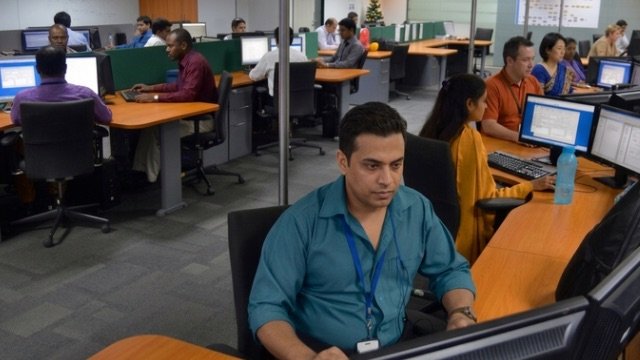
In the quest to boost competitiveness amid a rapidly changing operational landscape, manufacturers are increasingly relying on digital technologies that are vital for managing plants, mitigating risks, and facilitating decision-making processes. These advancements offer improved visibility into operations and provide actionable insights in real-time, enabling industries to enhance safety, reliability, and efficiency. At Vedanta Aluminium, this digital transformation is yielding tangible improvements in logistics, production, asset management, and workplace safety.
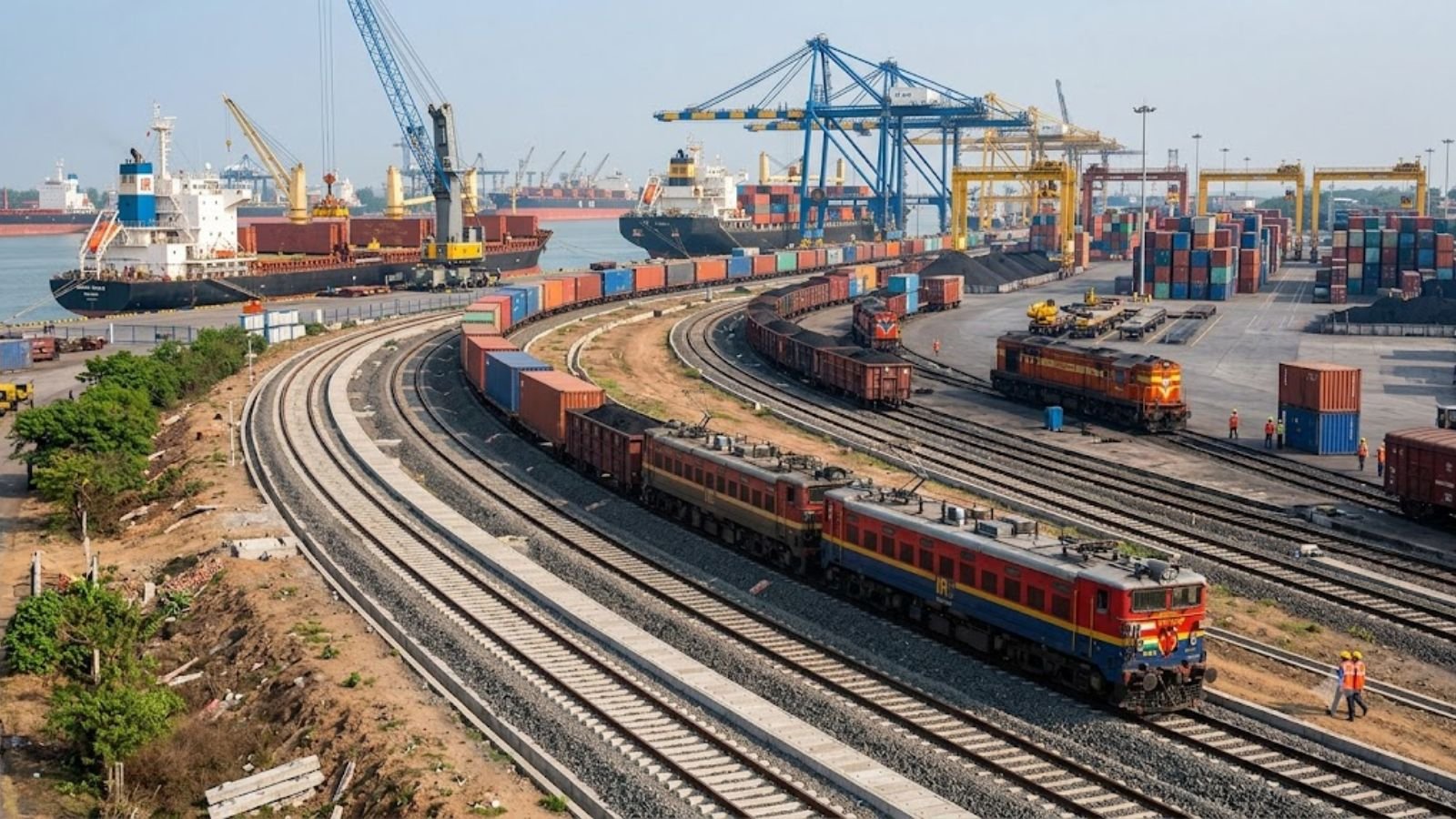
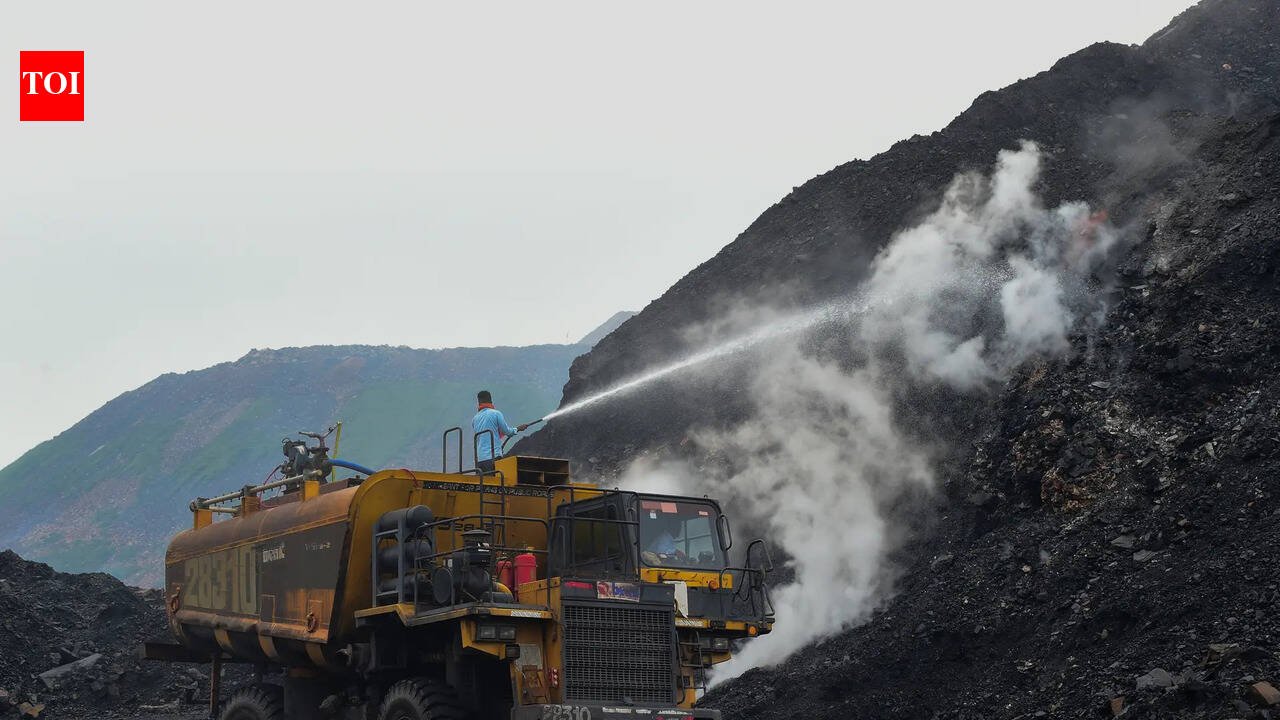
At BALCO, the company’s renowned smelter located in Korba, Chhattisgarh, this digital-forward strategy is enhancing intelligence and oversight in the logistics framework. Four AI-driven Control Towers installed at the facility incorporate GPS technology, IoT-based vehicle tracking, video telematics for vehicle management, geo-fencing, and real-time analytics to oversee coal logistics, the distribution of finished products, and ash management.
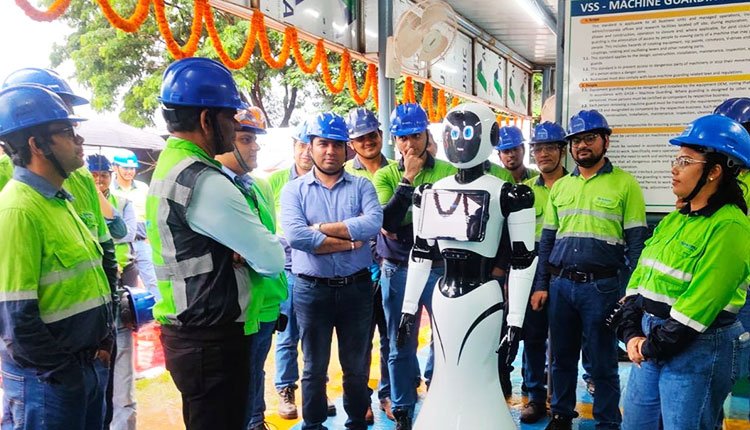
In Lanjigarh, digital advancements are being utilized to bolster the safety culture and workforce readiness across the site. The refinery has launched ‘Aluminati’, an AI-driven robot designed to make safety training more interactive, accessible, and engaging by offering real-time guidance, multilingual support, and digital learning experiences. Additionally, the Heavy Motor Vehicle (HMV) Driver Simulator Training provides drivers with a realistic, risk-free environment to enhance their hazard perception, emergency response skills, and safe driving techniques.
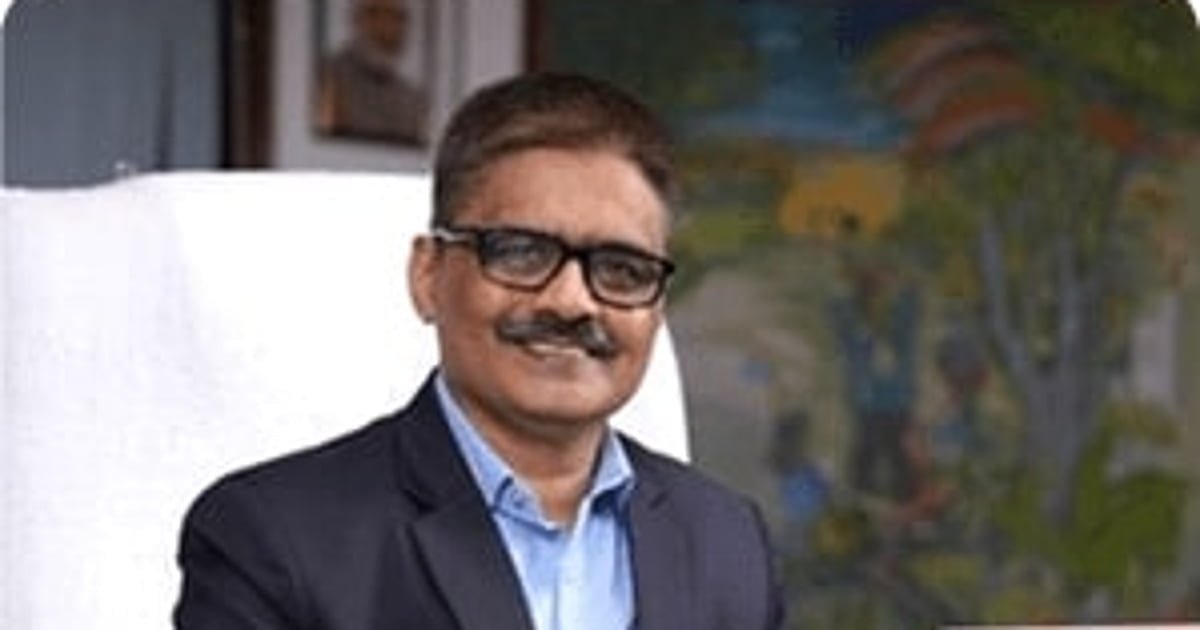
Rajesh Kumar, CEO of Vedanta Aluminium, commented, “Technology is becoming an essential component of how contemporary industries approach safety, operational excellence, and productivity. Our aim is not just to adopt new technologies but to utilize them to tackle real operational challenges. The initiatives we have implemented across our facilities are fostering connected and data-driven operations that allow our teams to anticipate risks, make quicker decisions, and operate more efficiently. This technology-led evolution aligns with India’s ambition to establish a globally competitive, resilient, and future-ready manufacturing landscape.”
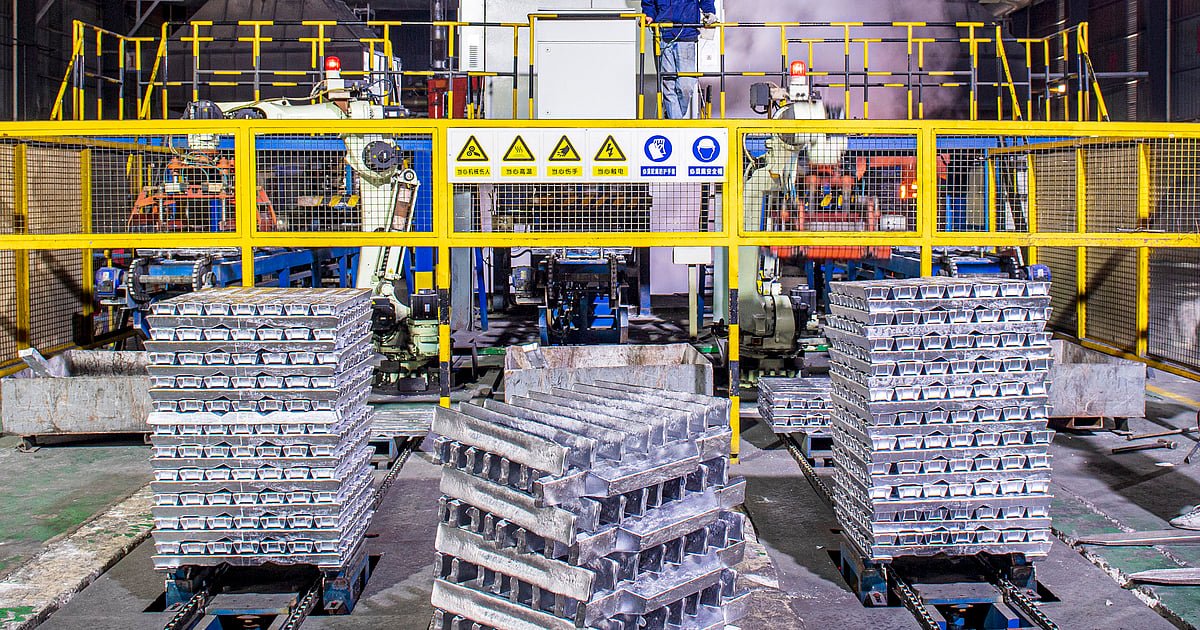
At Jharsuguda, digital technologies are revolutionizing the management of manufacturing operations. By integrating AI, machine learning, advanced sensors, digital twins, and asset-health analytics into key processes, the smelter is achieving real-time visibility throughout its operations. This transition from periodic inspections to continuous monitoring and predictive insights is enhancing process reliability, optimizing resource use, and facilitating quicker, more informed decision-making.
Collectively, these initiatives are improving safety and visibility across Vedanta Aluminium’s operations. By providing real-time insights and enabling better decision-making, they enhance operational performance throughout the company’s integrated value chain. As India’s foremost aluminium producer, Vedanta Aluminium remains committed to leveraging technology to foster operational excellence and bolster the competitiveness of the Indian manufacturing sector.