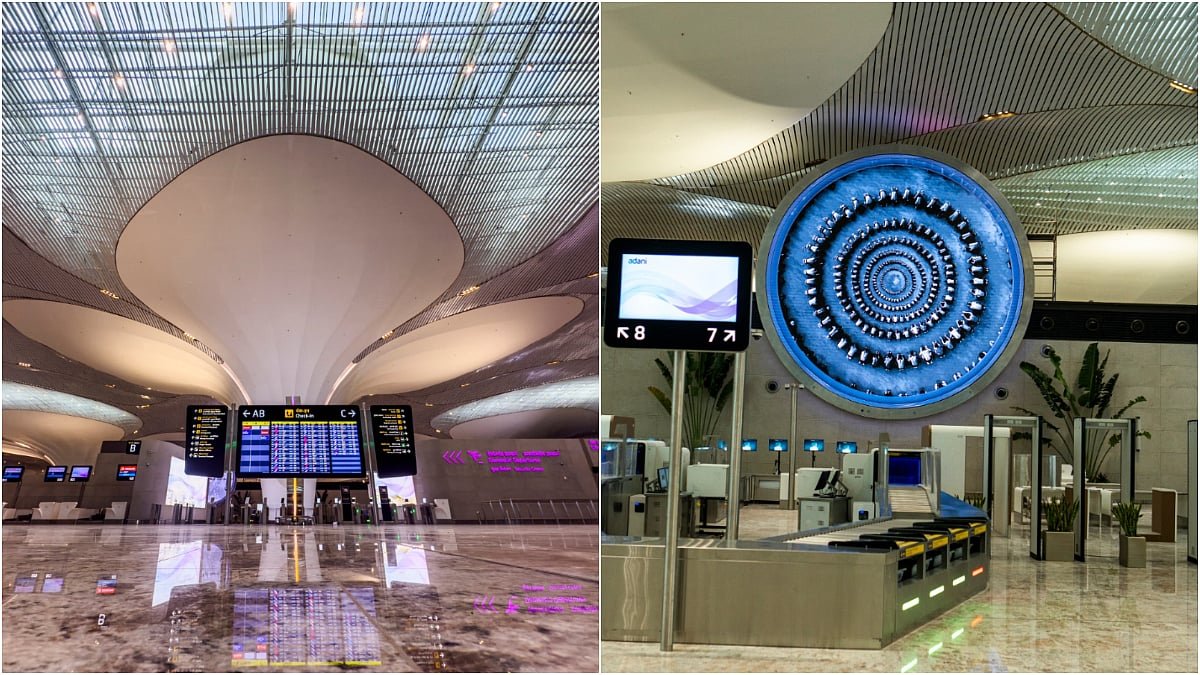

Less than a year into its commercial operations, Navi Mumbai International Airport (NMIA) is witnessing a reduction in flight schedules as airlines adapt to lower-than-expected passenger demand coupled with rising operational expenses. This shift underscores the difficulties faced by carriers in a dual-airport environment within a major aviation hub.
According to data from aviation analytics firm OAG, NMIA is projected to have 1,497 scheduled departures in the September 2026 timetable, marking a 32% decrease from the peak of 2,204 departures recorded in May. Although this figure is slightly higher than August’s 1,481 departures, it remains one of the lowest since operations commenced in December 2025.
The cuts are being implemented across various airlines rather than being limited to a single carrier, indicating a broader trend towards a more measured approach to capacity after a phase of aggressive expansion. Industry leaders highlight that this situation reflects the unique structural challenges associated with NMIA.
Unlike most newly built airports that either replace older ones or cater to entirely new areas, NMIA competes directly with the well-established Chhatrapati Shivaji Maharaj International Airport (CSMIA) in Mumbai, which continues to draw the majority of passenger traffic. Airlines also encounter increased costs related to staffing, engineering support, and ground-handling services due to the need to operate across two airports within the same metropolitan region.
“Moving flights raises costs for airlines because they have to duplicate manpower, engineering support and ground handling arrangements across two airports. Since both airports are operated by the Adani Group, there is also limited commercial incentive for the airport operator to encourage large-scale migration of flights,” an aviation executive stated.
The relatively limited domestic and international routes available from NMIA further restrict transit traffic, making it challenging for airlines to maintain new routes. Additionally, passenger preferences have shifted more slowly than airlines had projected, with many travelers still favoring Mumbai airport due to its established connectivity. Meanwhile, the infrastructure surrounding Navi Mumbai, including road access and public transportation, is still in the process of development.
With airfares generally similar between the two airports, travelers have not been compelled to switch solely for convenience. Mark D Martin, CEO of Martin Consulting, remarked, “The capacity response has not been as strong as airports anticipated. Passengers are still more inclined to fly from CSMIA because the ecosystem around Navi Mumbai is evolving. Airlines cannot sustain operating flights that do not generate sufficient traffic. Ultimately, passengers decide where airlines fly.”
The adjustment in airline strategies has been rapid. NMIA began with 108 scheduled departures in December 2025, which surged to 662 in January and peaked at 2,204 in May. Since then, capacity has been consistently reduced, dropping to 1,808 departures in June and remaining under 1,500 for both August and September.
Akasa Air has implemented the most significant cut, with scheduled departures set to decline by 75% to 65 in September from 259 in May, with its network now limited to just Delhi, Kochi, and Varanasi.
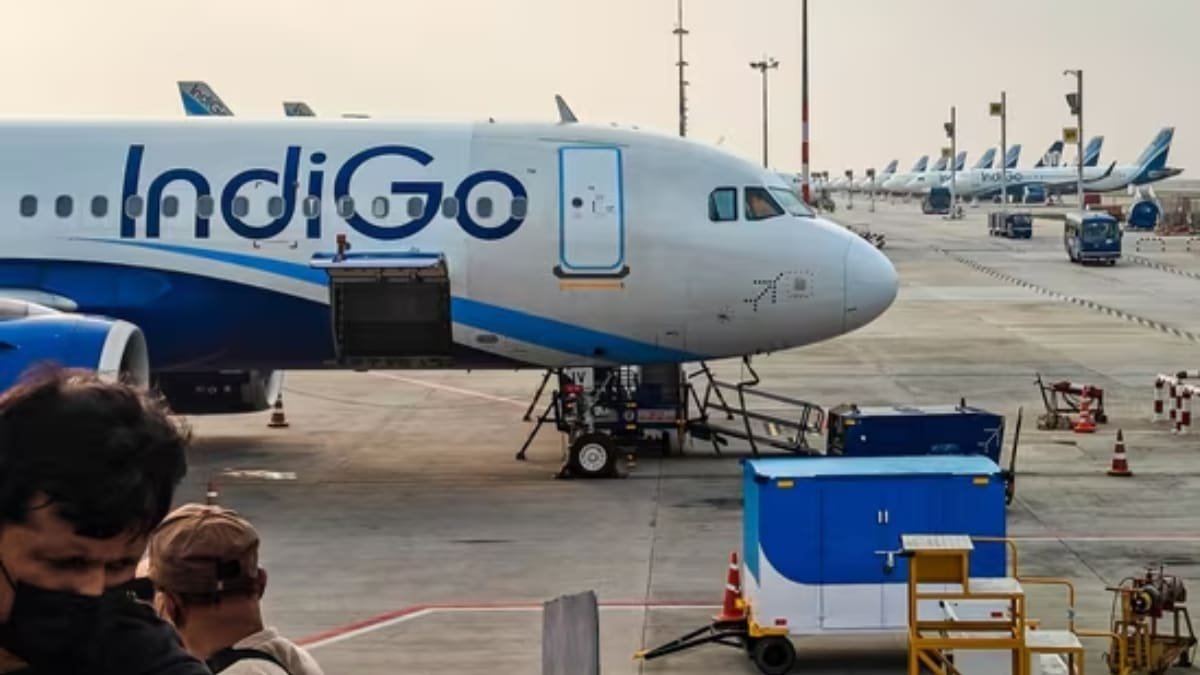
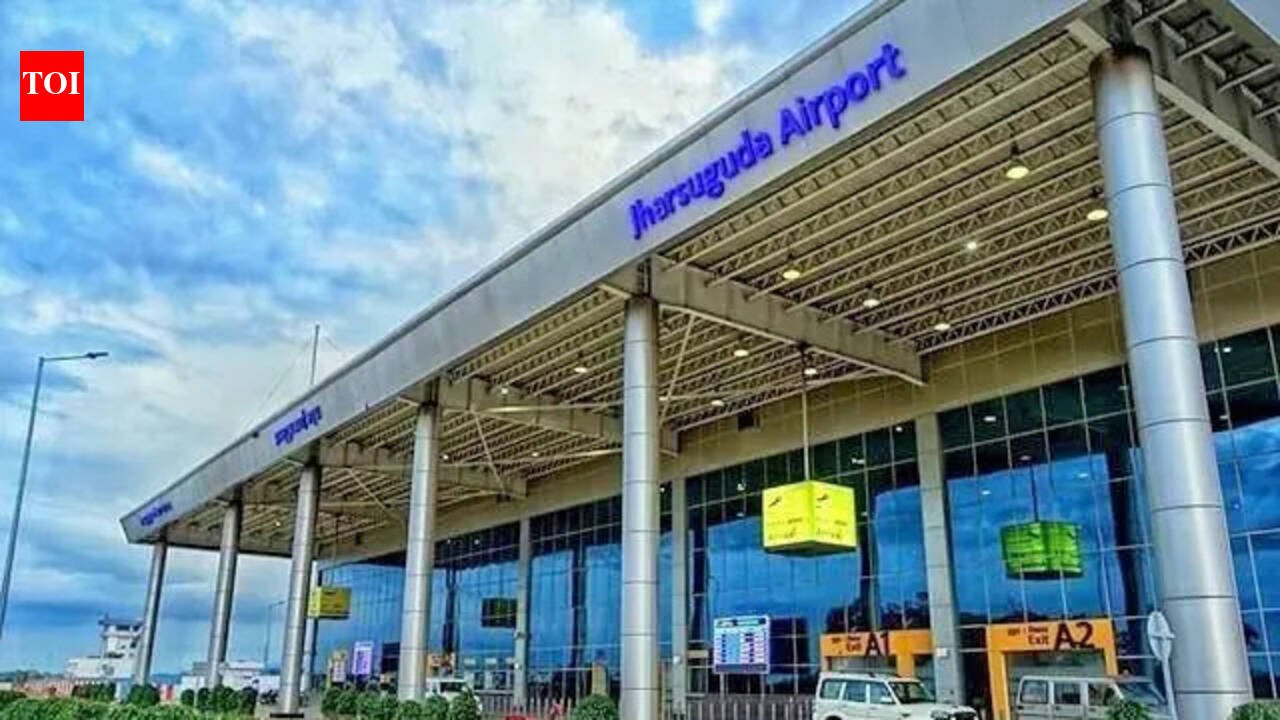
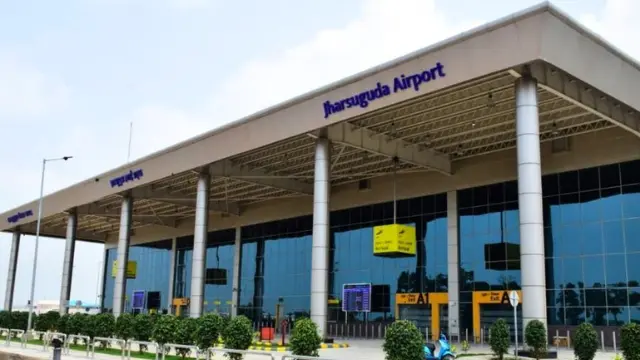
IndiGo, the primary operator at the airport, has also decreased its scheduled departures by 30%, from 1,728 to 1,209, and has reduced its network from 45 to 40 destinations, eliminating services to cities such as Bhopal, Hubballi, Bagdogra, Jharsuguda, and Durgapur.
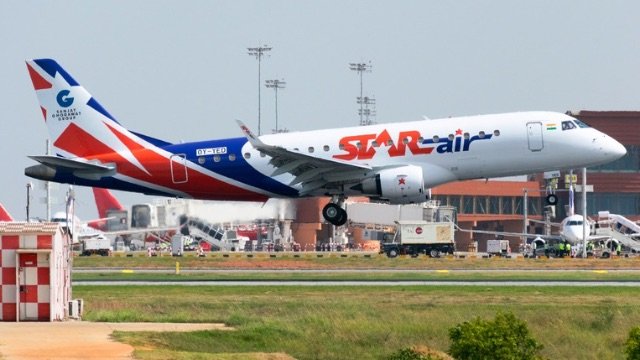
Star Air has withdrawn from NMIA after a brief service to Ahmedabad and Goa. In contrast, Air India Express continues to expand its operations and is expected to reach its highest activity level at NMIA in the September schedule.
This reduction has also diminished the airport’s connectivity; of the 49 destinations that have been served since the start of operations, eight will see no scheduled flights in September, including Bhopal, Guwahati, Bagdogra, and Jharsuguda.
Despite these changes, aviation experts advise caution in interpreting the early contractions. Airline schedules are adjusted each season, and capacity is often redirected toward routes with stronger demand. Given that NMIA has only been operational for less than a year, and with critical infrastructure projects still underway, it may be premature to conclude that the airport has underperformed against expectations.