
This development is of national importance as it has the potential to establish underground coal gasification (UCG) as a crucial method for enhancing energy security, optimizing resource use, and ensuring long-term resilience. It also underscores Axis Energy’s dedication to pioneering ideas for the future of energy in India.
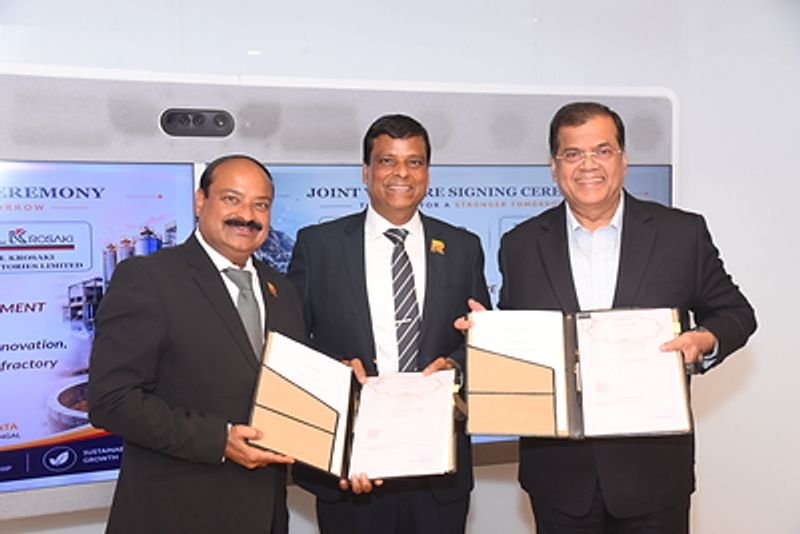
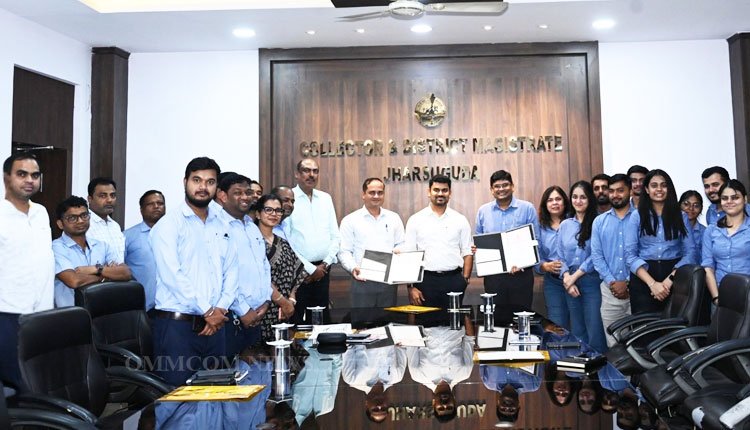
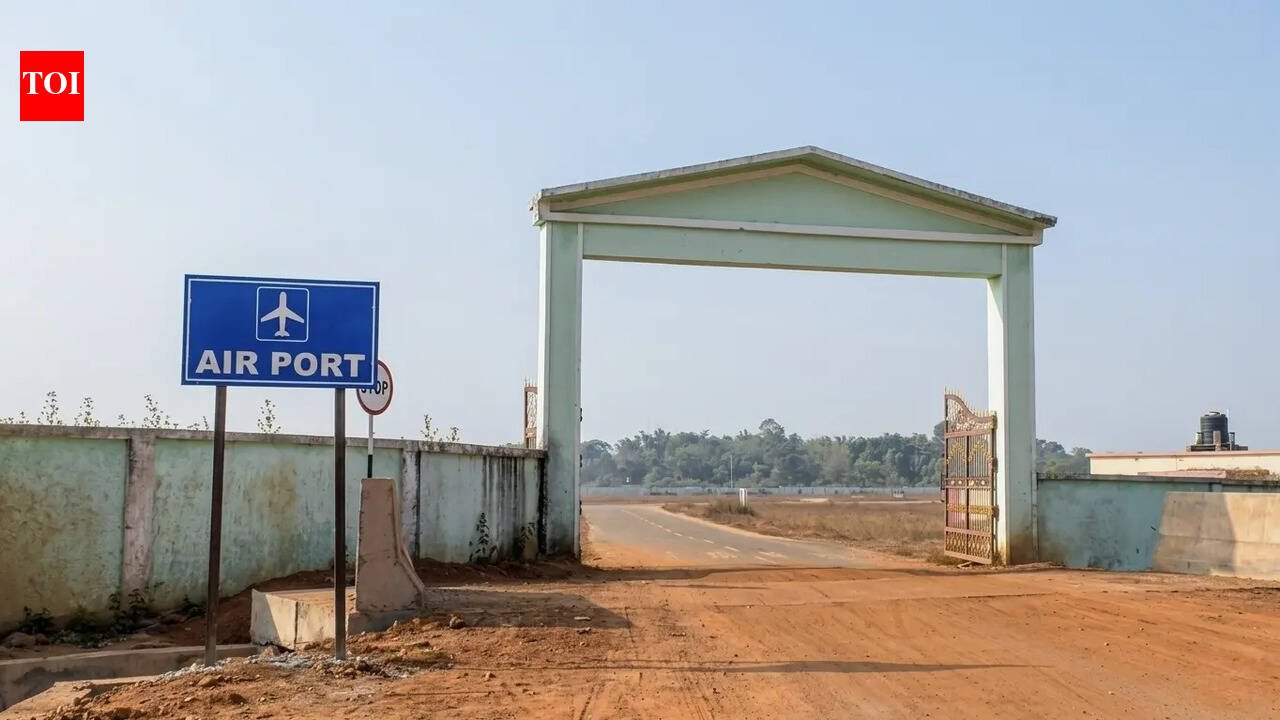
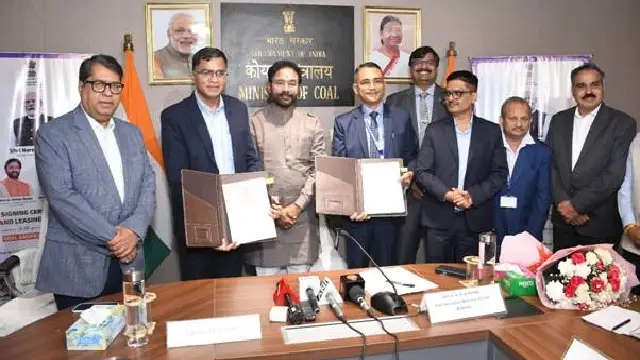
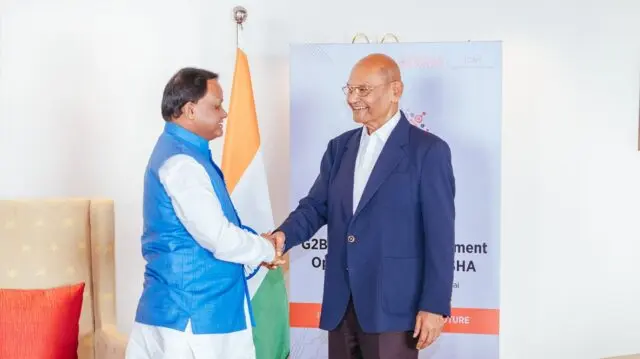
Axis Energy has officially received an Allocation Order for the underground gasification of two coal mines located in Odisha. The company has been recognized as the Successful Bidder for the Tangardihi East Coal Mine and the Dip Extension of the Belpahar Coal Mine, situated in the Sundargarh and Jharsuguda districts, respectively. The Coal Block Development and Production Agreement was executed on April 28, 2026.
These blocks were part of the 14th Tranche of the Commercial Coal Mine e-auction, which was organized by the Ministry of Coal. Both Reliance Industries Limited and Axis Energy were granted two mines each in Andhra Pradesh and Odisha. This tranche is notable for being the first to allocate mines for the purpose of exploring underground gasification, aligning with the National Coal Gasification Mission’s target of achieving 100 million tonnes of coal gasification by 2030.
The issuance of Allocation Orders signifies the conclusion of the coal block allocation process, allowing the company to move forward with obtaining the necessary Mining Lease or Prospecting License from the State Government.
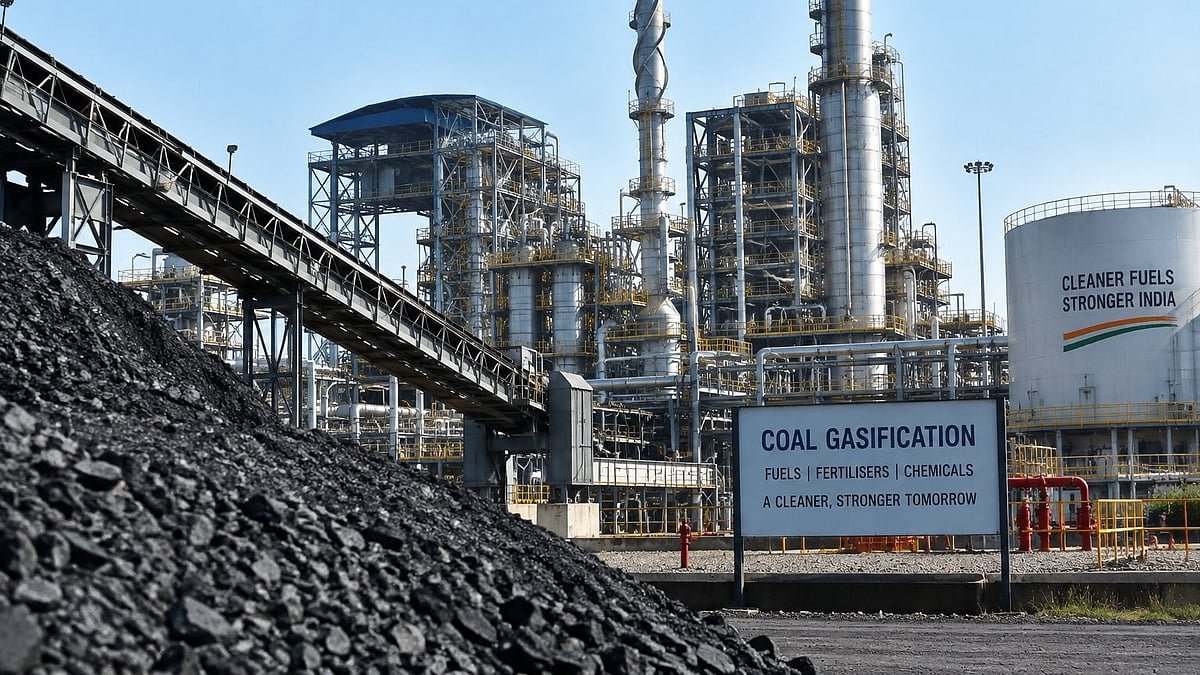
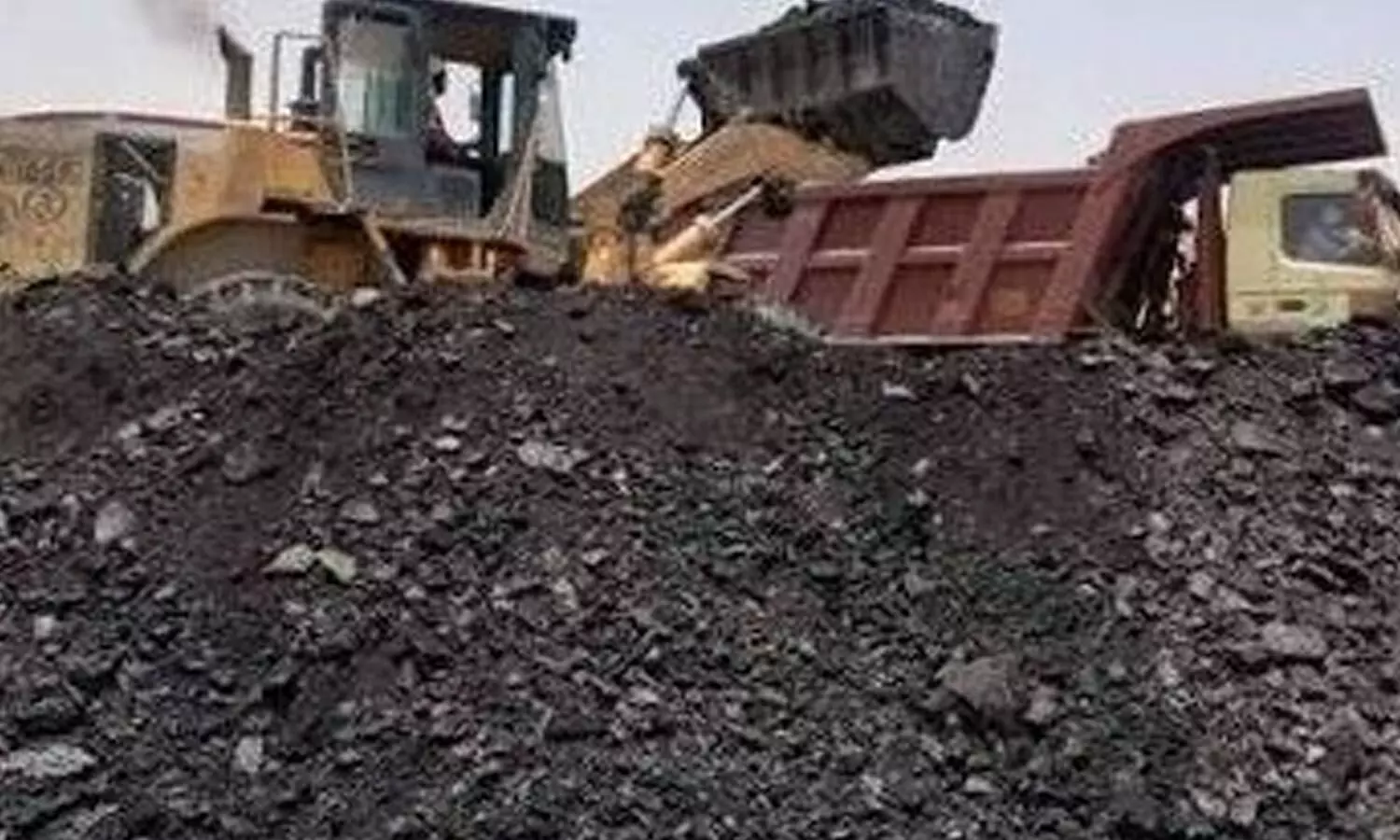
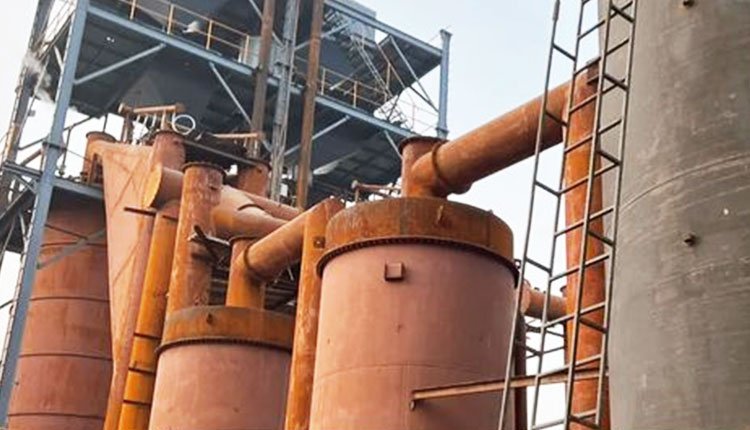
Underground Coal Gasification (UCG) is an innovative in-situ technique that transforms deeply buried coal, which is unsuitable for traditional mining, into synthesis gas (syngas) without the need for physical extraction. The Tangardihi East coal block, located in the IB Valley, encompasses approximately 6,500 acres and is estimated to possess around 4,500 million tonnes of G-13 grade coal. In contrast, the Dip Extension of the Belpahar block spans roughly 4,300 acres and is estimated to contain about 2,500 million tonnes of G-10 grade coal.
UCG has the potential to convert Odisha’s vast and otherwise untapped coal resources—exceeding 7,000 million tonnes across these two blocks—into a viable energy source. The projects are projected to require an initial investment exceeding Rs. 30,000 crore to establish the feasibility of underground gasification. The Allocation terms allow bidders the option to use the coal blocks for traditional coal mining, coal gasification (both surface and underground), coal liquefaction, and export activities. This flexibility aims to stimulate investment and promote advancements in coal gasification technology, which is still in its early stages in India.
Recently, RIL announced a significant investment exceeding Rs. 2.7 lakh crore in UCG projects in Andhra Pradesh.
Implementing UCG is expected to diminish India’s reliance on crude oil imports, which currently subject the economy to price fluctuations, while simultaneously bolstering energy security by protecting it from currency instability and supply disruptions stemming from geopolitical tensions in West Asia and Eastern Europe.