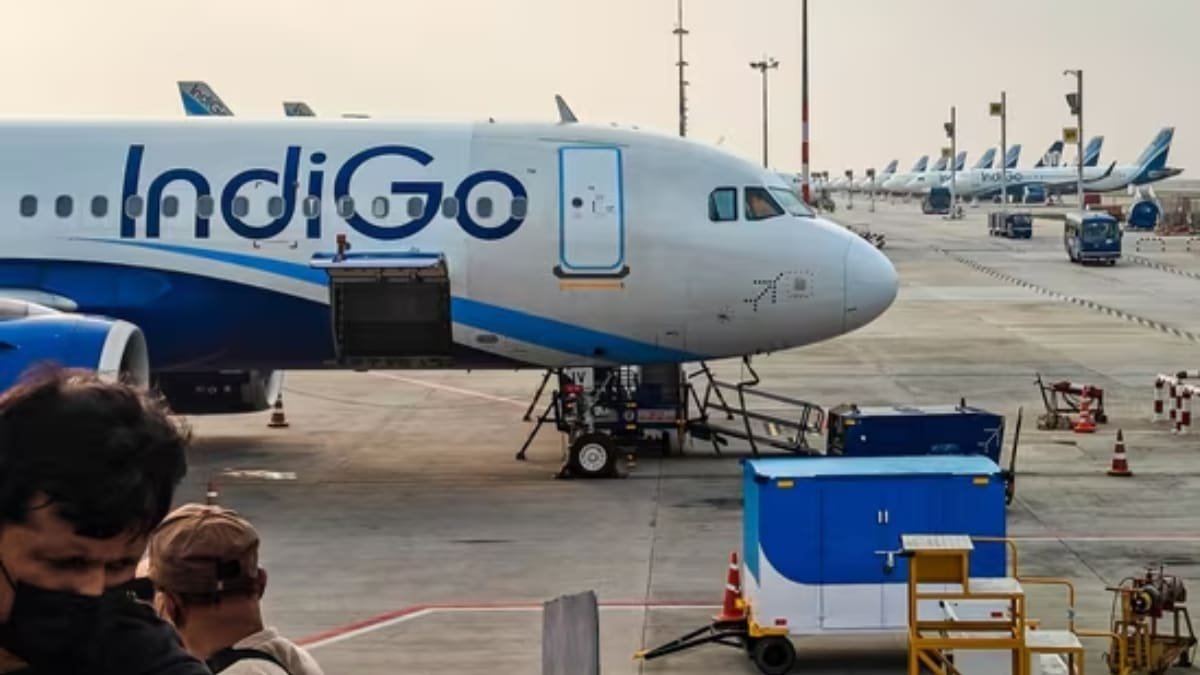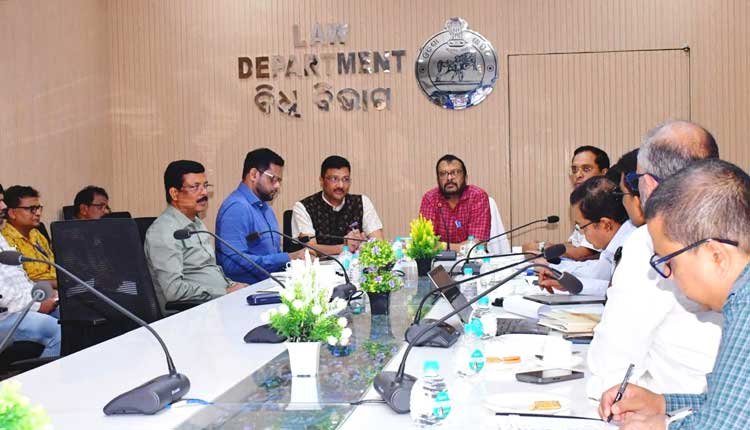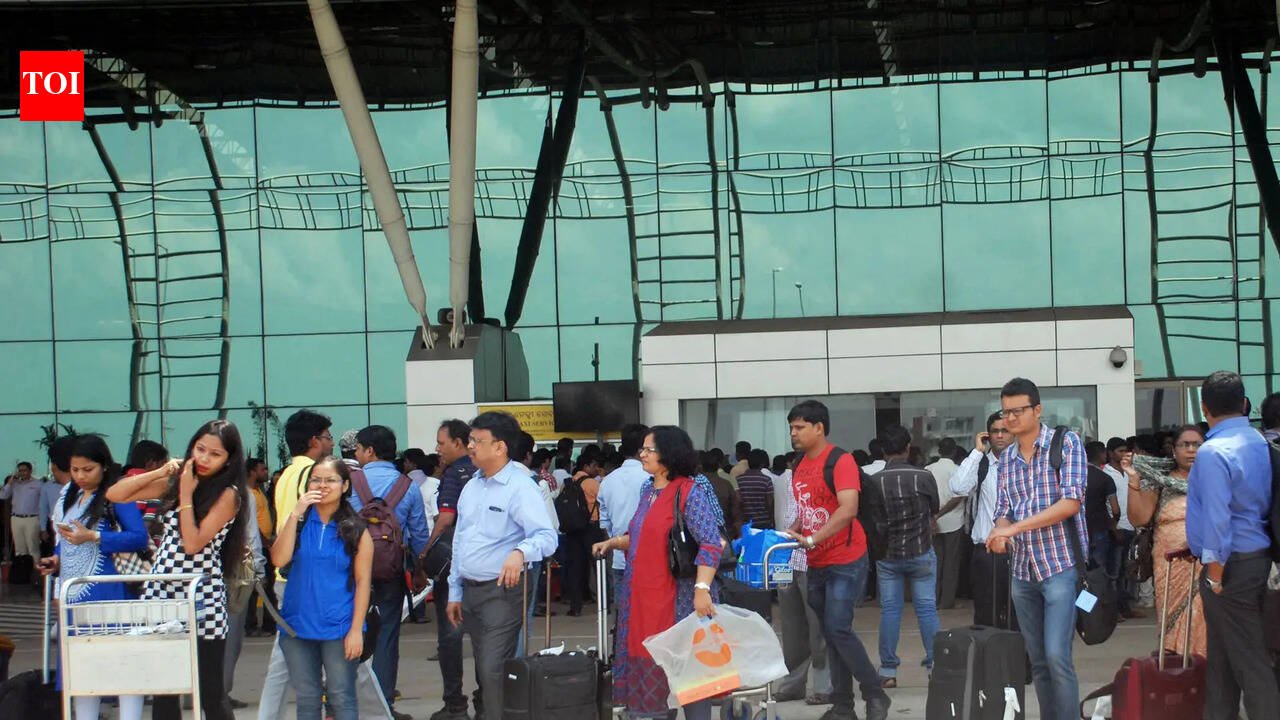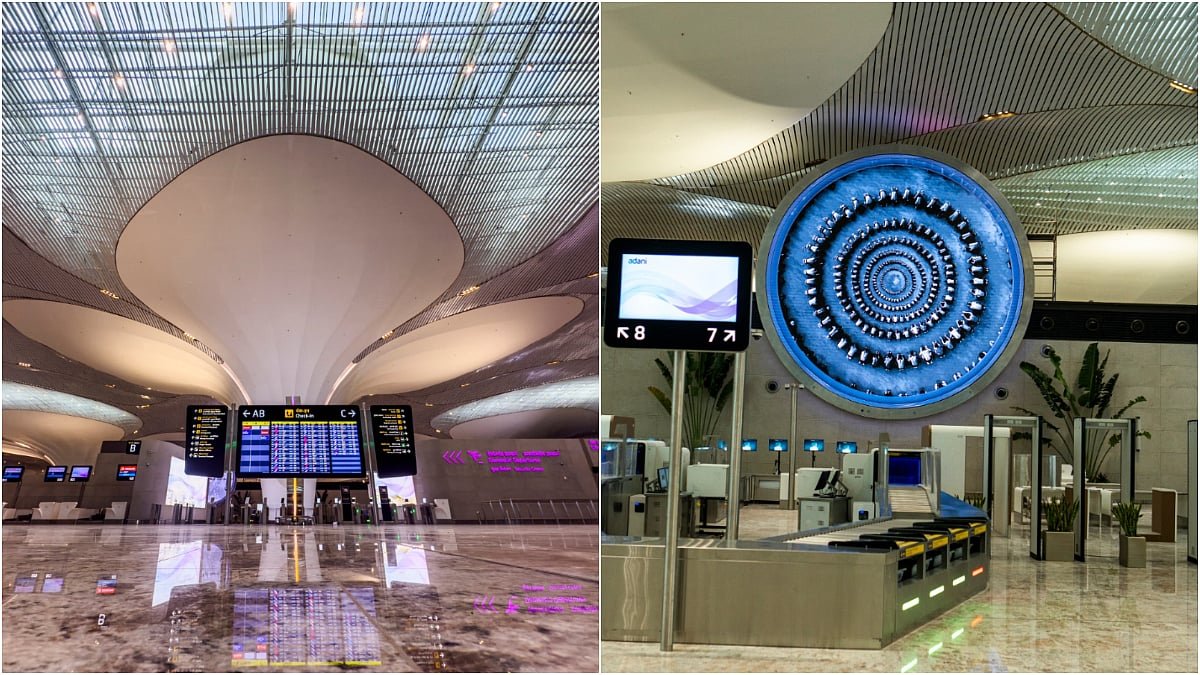

Bhubaneswar: In an effort to establish Odisha as the aviation hub of eastern India, the state government has released a draft civil aviation policy aiming to increase the number of operational airports from five to ten and to double passenger numbers from approximately five million to ten million by 2029. The proposed policy also includes the establishment of heliports and aircraft maintenance facilities, which are currently lacking within the state’s aviation sector.
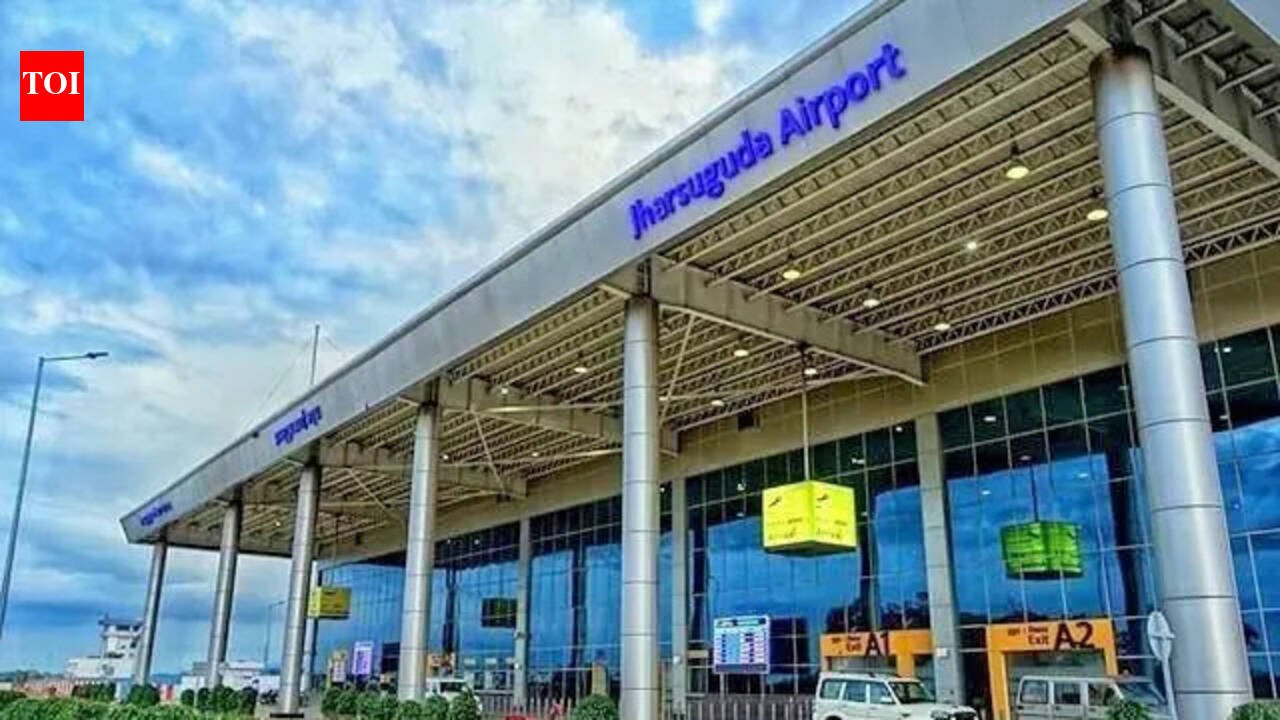
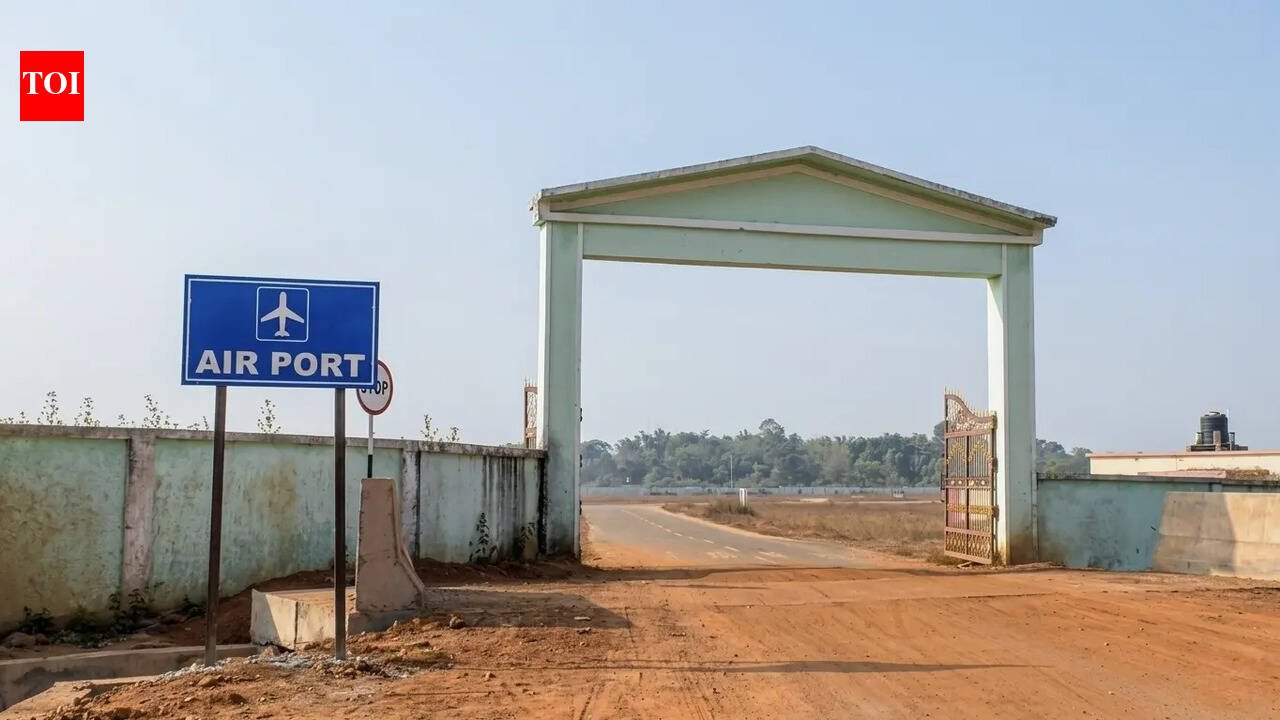
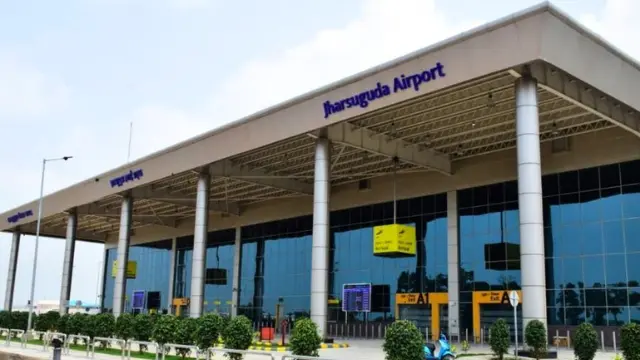
The draft plan outlines the goal of launching the new Shree Jagannath International Airport in Puri by December 2029 and includes various incentives to attract airlines and aviation investors. Additionally, a greenfield airport is proposed for Paradip, along with runway expansions at Jharsuguda, Rourkela, Jeypore, and Utkela airports. For Paradip, a pre-feasibility study is scheduled for completion by October 2026, followed by the creation of a detailed project report (DPR) by March 2027.
The Odisha Civil Aviation Policy 2026, which will supersede the 2022 version, aims to operationalize four heliports by 2029 and set up at least two maintenance, repair, and overhaul (MRO) facilities, a category currently non-existent in the state. Cargo handling capacity is anticipated to rise from 9,086 metric tonnes to 15,000 metric tonnes during this period.
As part of its comprehensive strategy, the government intends to develop 16 airports and airstrips, as well as 30 heliports across Odisha. Proposed heliport locations include AIIMS Bhubaneswar and medical colleges in Sambalpur, Cuttack, and Berhampur to facilitate medical evacuation services.
A significant aspect of the policy is the development of new aviation infrastructure. To enhance connectivity, a hub-and-spoke model is suggested, with Bhubaneswar serving as the main hub and Jharsuguda, Jeypore, Puri, Paradip, and Rourkela as secondary hubs. New domestic flights are planned to connect to Ahmedabad, Chandigarh, Jaipur, Goa, Indore, Lucknow, and Varanasi, while international routes will be gradually expanded to cities such as Bangkok, Singapore, Kuala Lumpur, Dubai, Abu Dhabi, Muscat, and Hong Kong.
The draft policy offers improved financial incentives for airlines under the state’s New Destination Policy. Airlines that launch new domestic routes are eligible for viability gap funding (VGF) of up to ₹7.5 lakh per round trip, while international carriers can receive up to ₹15 lakh per round trip for long-haul routes. Additional support includes marketing assistance of up to ₹1 crore per international route for two years, as well as a reimbursement or waiver of state-level taxes and fees for the first three years of operation.
Moreover, the government has proposed concessions for developers of airports, heliports, and aviation training facilities, including land at reduced rates, capital subsidies, and exemptions from stamp duty, electricity duty, and property tax, along with a single-window clearance system for aviation projects.
The draft policy suggests a longer duration of financial support for airlines introducing new routes. Currently, VGF is granted for six months, with the possibility of a six-month extension. The new policy proposes support covering 75% of costs during a third six-month extension and 50% for a fourth six-month extension.
This 2026 draft seeks to align aviation development with the broader Odisha Vision 2036 and 2047 initiatives, aiming for seamless domestic and international connectivity, world-class infrastructure, a skilled workforce, and sustainable growth.