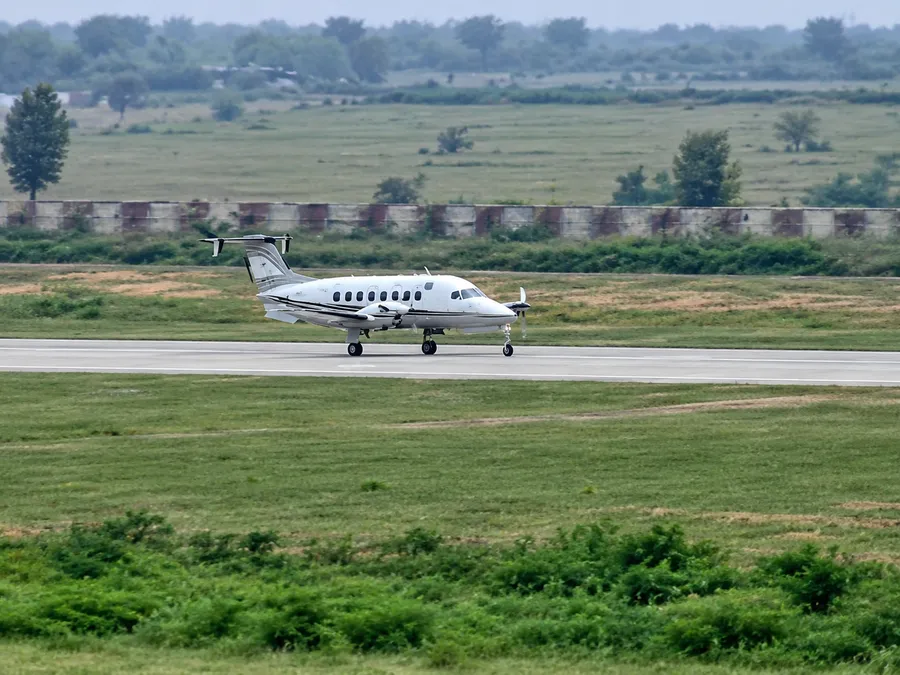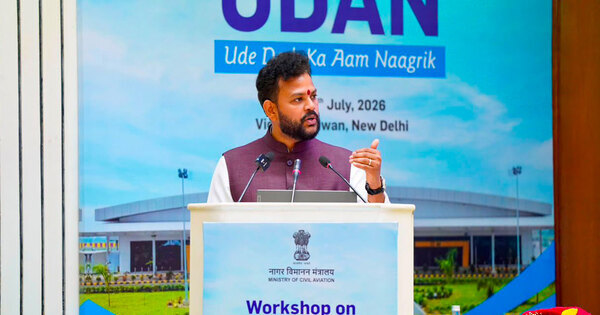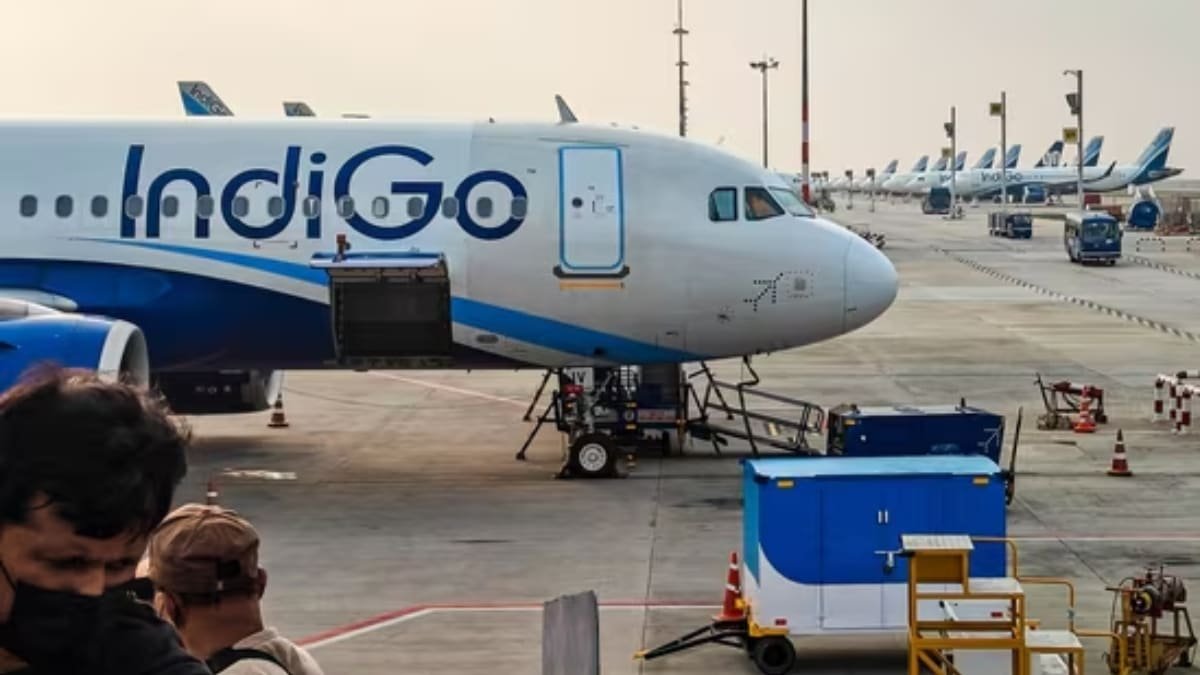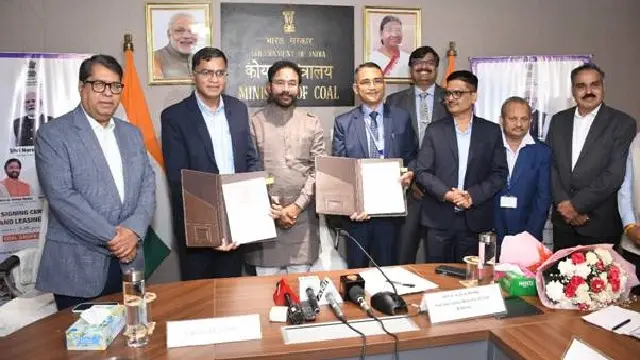

Nineteen states have recently entered into a Memorandum of Understanding (MoU) with the Ministry of Civil Aviation to launch the next phase of the UDAN scheme aimed at enhancing regional connectivity. This phase introduces a challenge mode framework to revitalize unserved airstrips into functional airports.
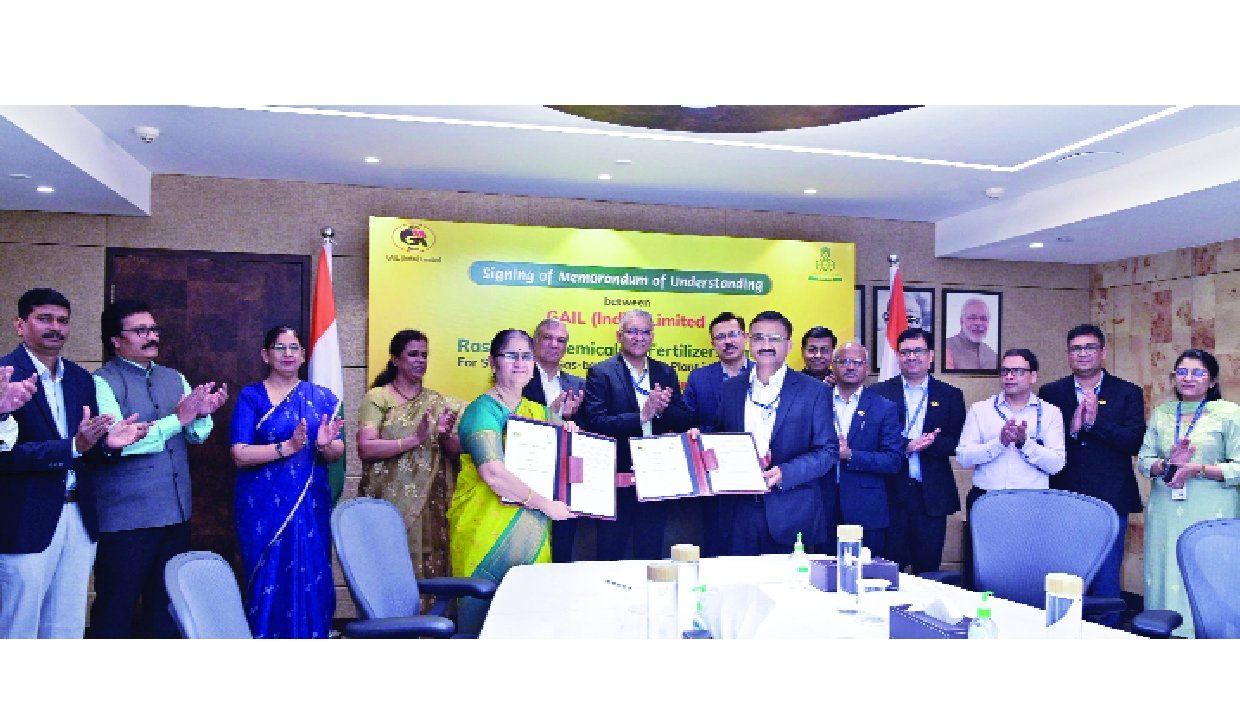
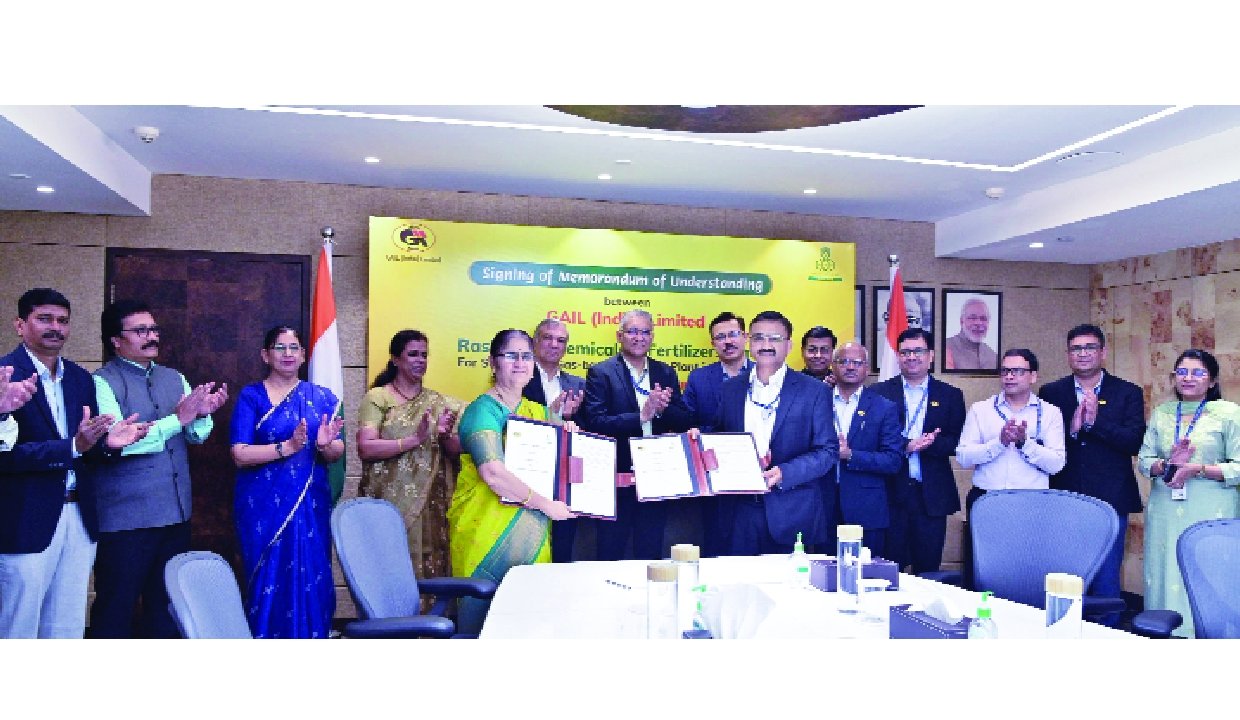
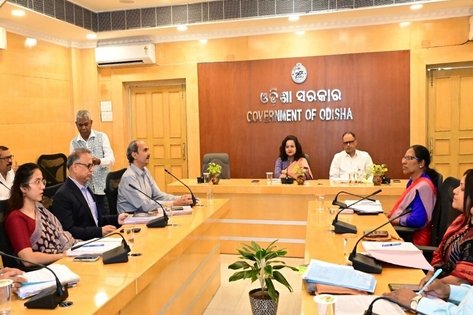
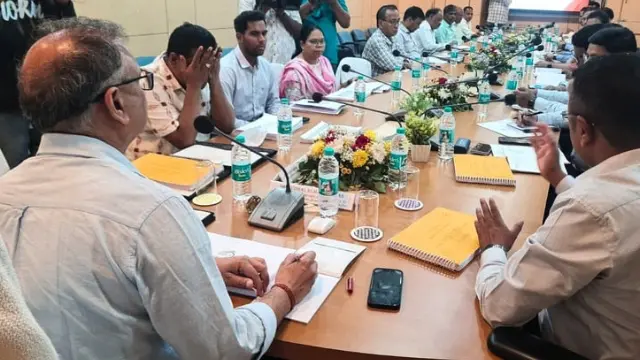
During the signing event in New Delhi, attended by Union Civil Aviation Minister Ram Mohan Naidu, key officials emphasized the evolution of the initiative from simply improving connectivity to ensuring sustainable operational viability.
Minister of State for Civil Aviation, Murlidhar Mohol, highlighted the growth of the domestic aviation sector, noting that domestic airports managed approximately 420 million passengers in 2025-26. “Today, 19 states are signing MoUs with the ministry, marking a new chapter in the civil aviation industry. We are moving from plans to practical implementation,” Mohol stated.
He further remarked, “India ranks as the third largest domestic aviation market globally, and we anticipate this figure to rise to around 500 million passengers annually by 2030. This transformation is a result of significant infrastructure advancements and the swift integration of technology.”
Civil Aviation Secretary Samir Kumar Sinha added, “This next phase is not just an extension of the UDAN initiative but a comprehensive redesign rooted in nearly ten years of experience. The past decade has shown that there is a demand for regional travel, and our current challenge is to establish a sustainable regional aviation framework that meets this demand.”
The revamped program, which has an approved budget of ₹29,000 crore over ten years, aims to connect an additional 120 destinations, set up 200 helipads, and facilitate travel for 40 million passengers.
Sinha emphasized that states and Union territories are well-positioned to pinpoint areas where enhanced air connectivity can yield significant economic and social benefits. “The central government will provide the policy framework, financial backing, and institutional coordination, while states need to ensure timely access to land, road and public transport connectivity, utilities, security services, and necessary last-mile connections,” he explained.
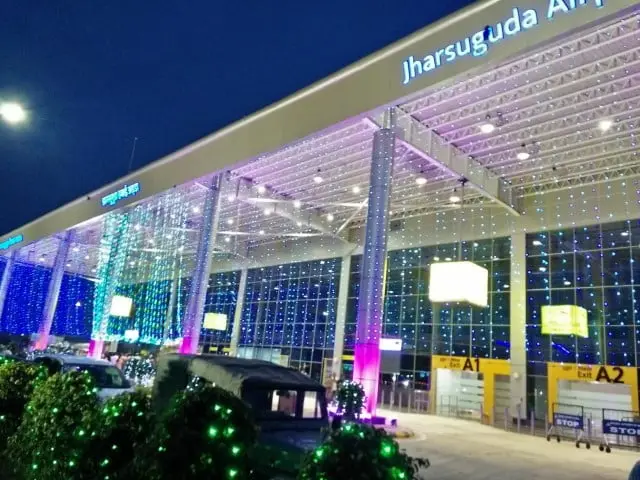
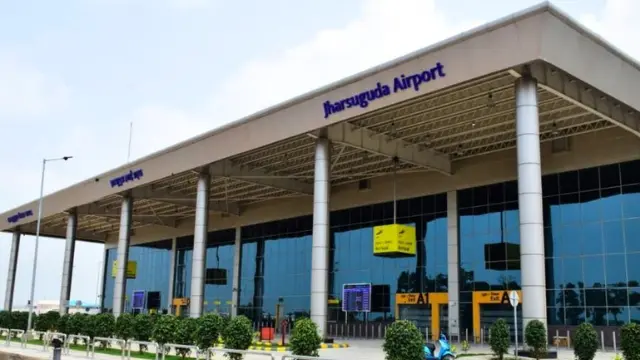
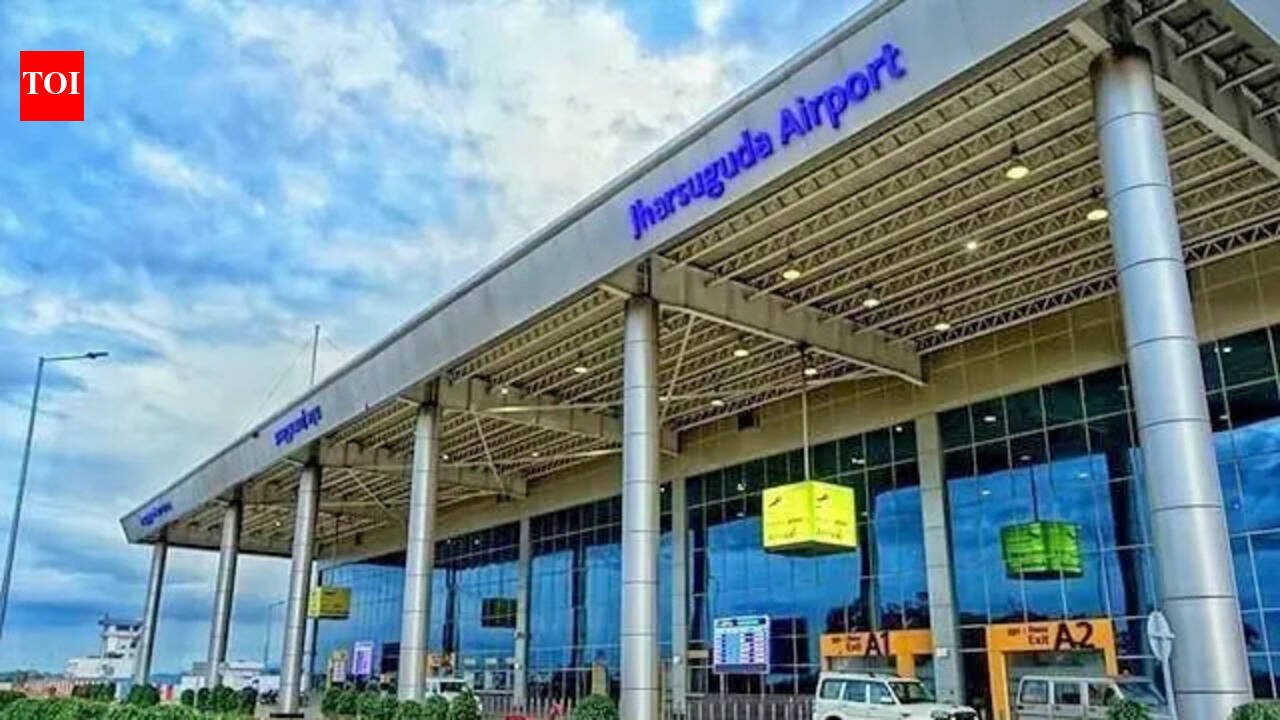
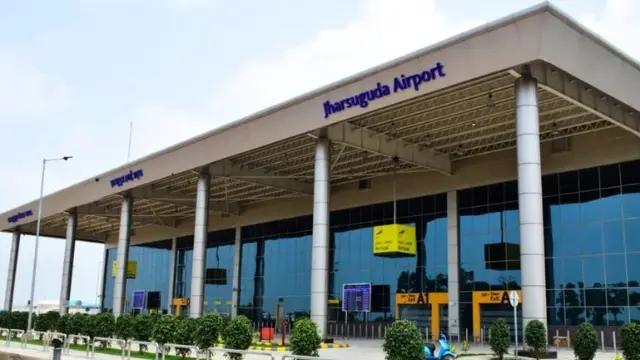
Reflecting on the operational success of the scheme since its inception in 2016, Sinha noted that 687 UDAN routes have connected 95 airports, heliports, and water aerodromes, facilitating over 358,000 flights and serving more than 16.8 million passengers in remote locations such as Pasighat, Pithoragarh, Rourkela, Jharsuguda, Kishangarh, and Tezu.
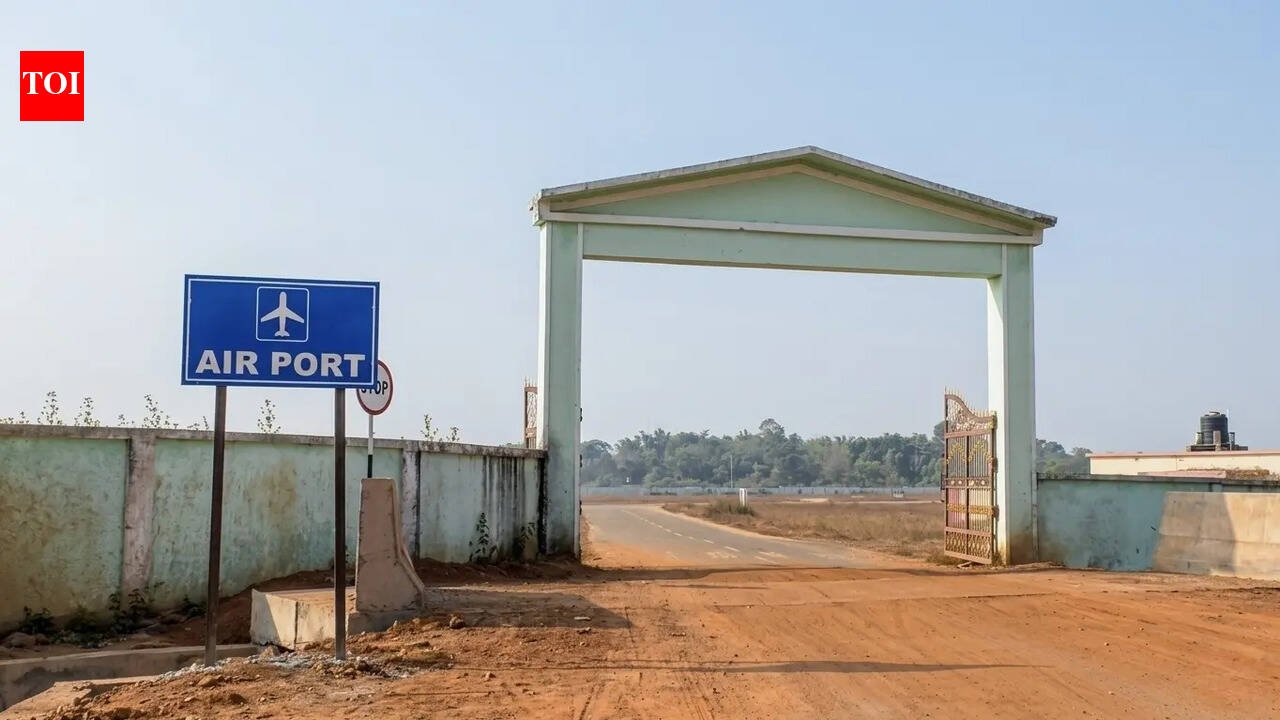
Airports Authority of India Chairman Vipin Kumar outlined the strategy for upgrading infrastructure, stating that these MoUs signify the beginning of the challenge mode for developing regional airports on unused airstrips. “Many airstrips across the nation are currently inactive, and this scheme will breathe new life into them. Through this challenge mode, we plan to convert nearly 100 of these airstrips into fully operational airports within the next year,” Kumar concluded.