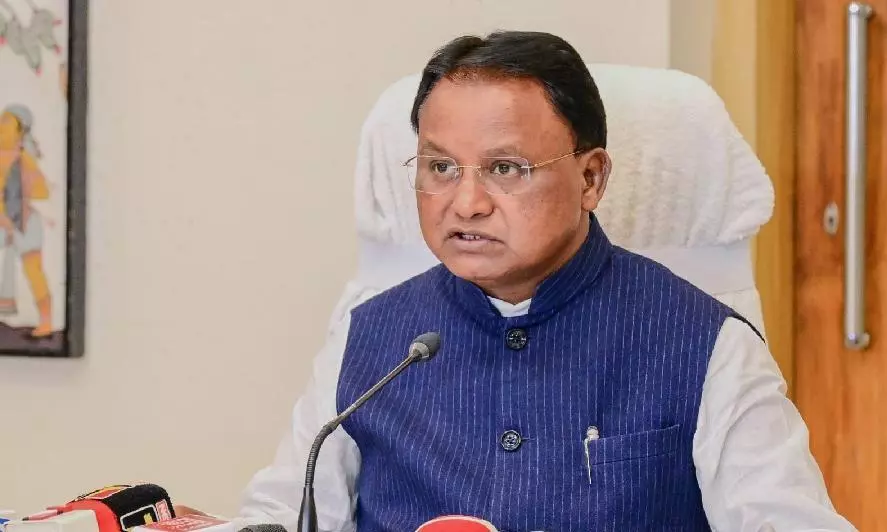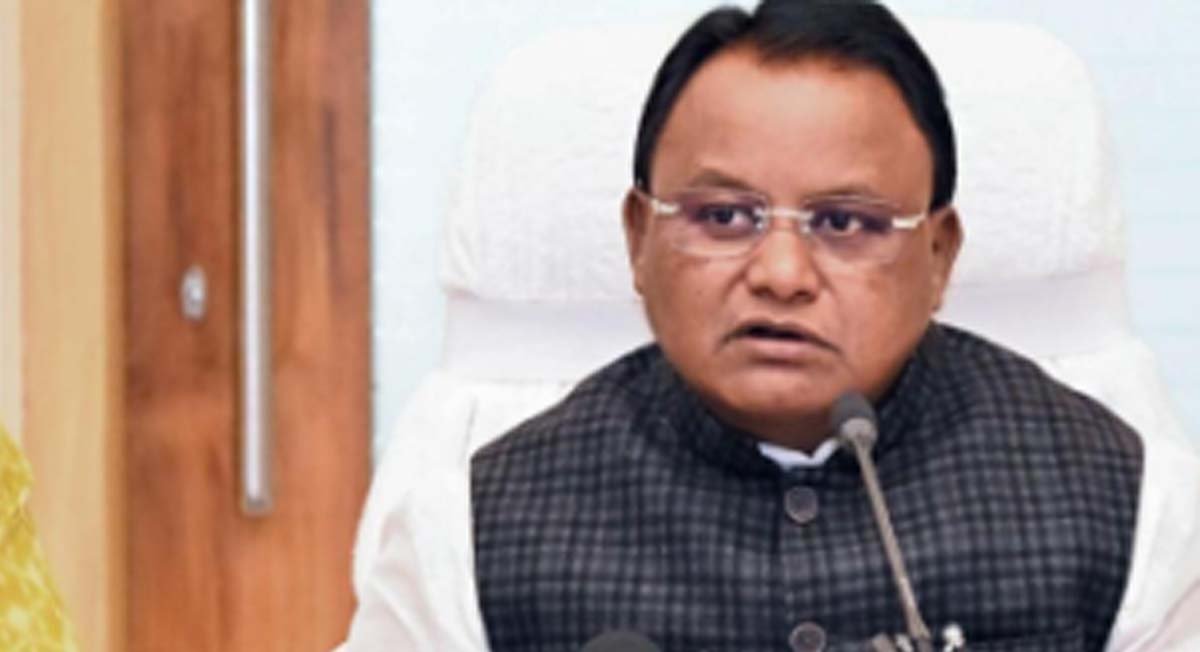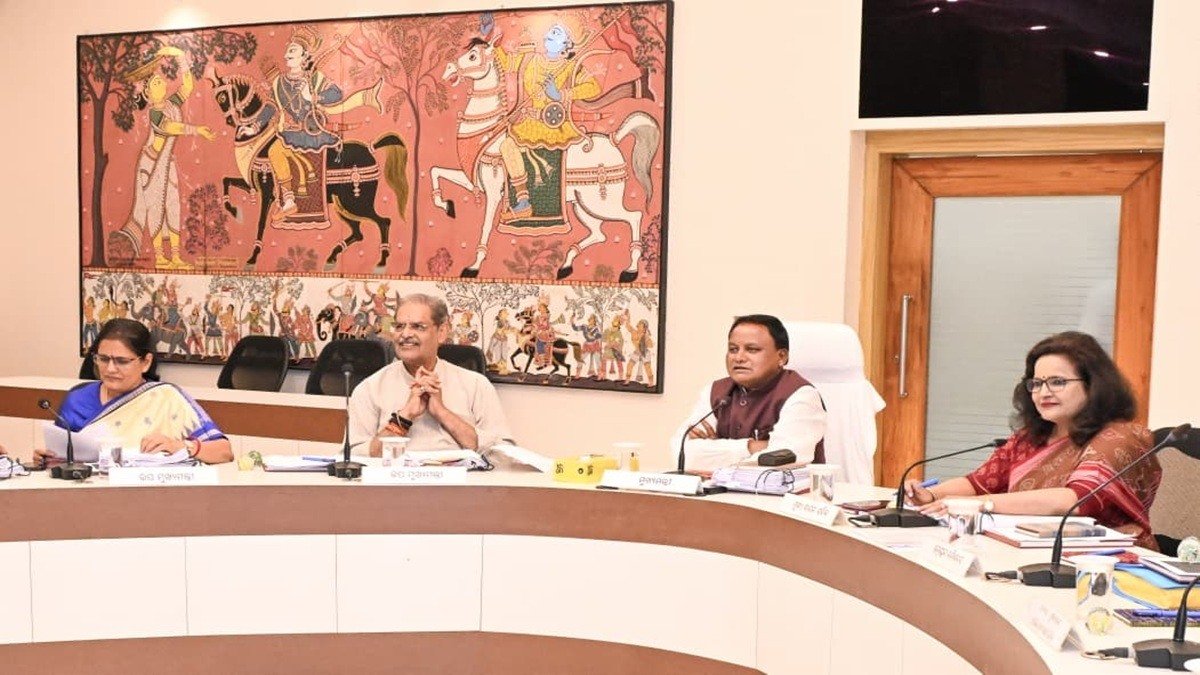

BHUBANESWAR: On Saturday, Chief Minister Mohan Charan Majhi revealed that the Odisha government is committed to raising the urbanization rate from the current 17% to 40% and aims to transform the state into a $500 billion economy by 2036.
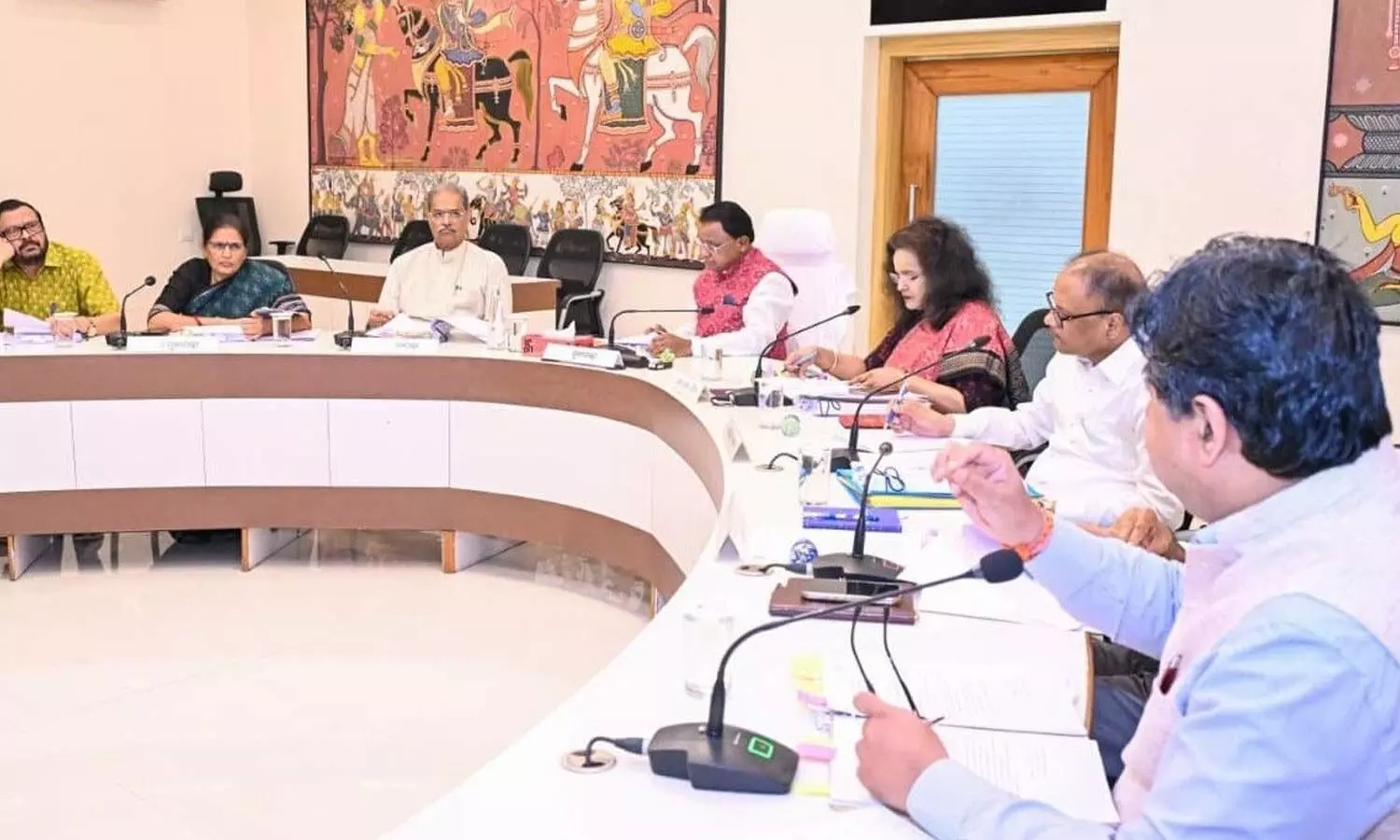
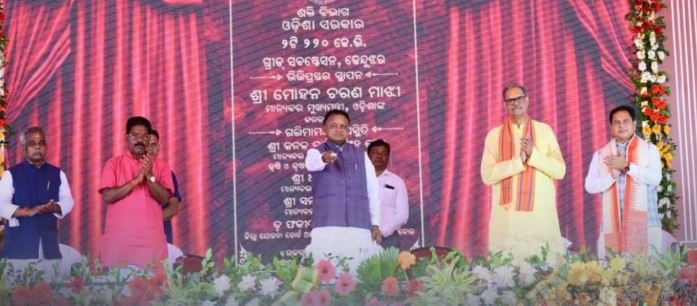
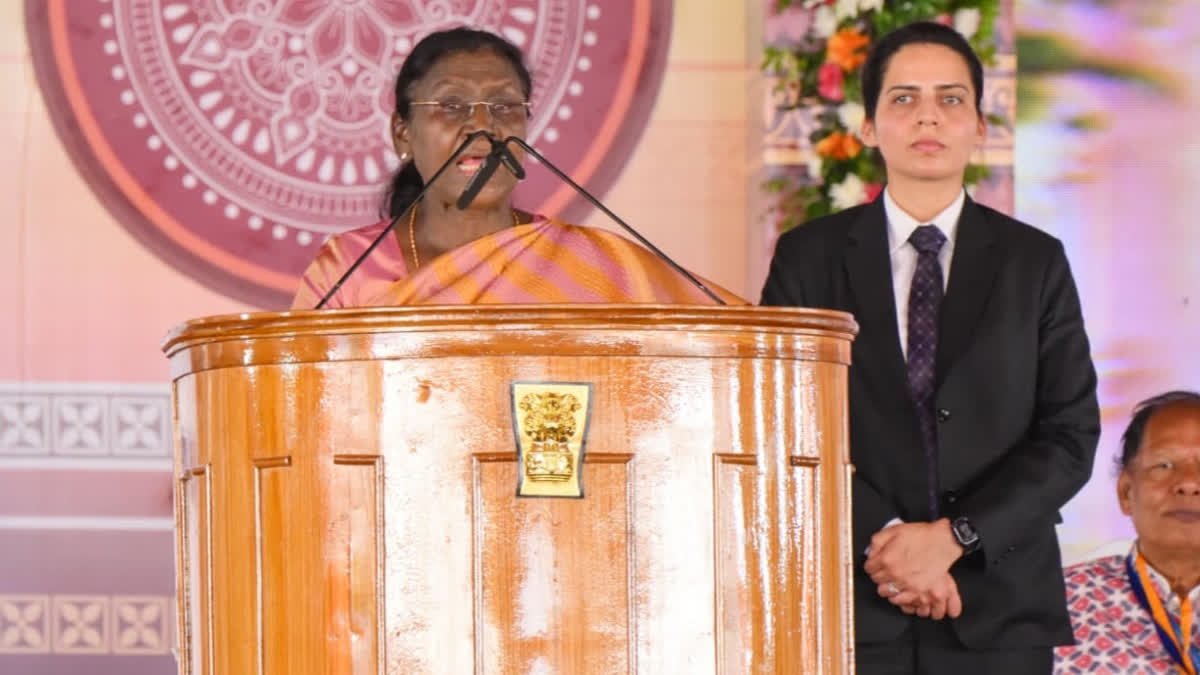
While inaugurating the 2nd National Urban Conclave 2026, Majhi stated that modern urban infrastructure is being developed to ensure a prosperous Odisha as the state approaches its centenary in 2036.
During the event, which coincided with the ongoing 19th Urban Mobility India (UMI) Conference and Expo 2026, the chief minister launched 26 buses under the PM e-Bus Sewa Yojana, highlighting the government’s commitment to sustainable urban mobility and enhancing public transport.
Majhi announced plans to roll out 400 electric buses, along with 100 midi and 50 mini e-buses, under the initiative. This new fleet will expand the Ama Bus services to nine additional cities, increasing coverage beyond the current seven cities served by CRUT.
In his address, Majhi emphasized that Odisha is emerging as a significant growth driver for the nation, drawing inspiration from Prime Minister Narendra Modi’s vision of Viksit Bharat 2047 and the Purvodaya initiative. He pointed out the necessity of developing inclusive cities that are technology-oriented and equipped with modern facilities as urbanization accelerates in the country.
The chief minister also highlighted the investment opportunities in the state, noting that Odisha has attracted investment proposals totaling Rs 23 lakh crore. Projects with investments of Rs 3.5 lakh crore across over 200 industries have already been initiated.
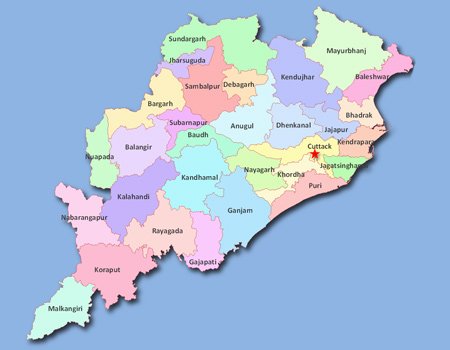
Additionally, the Bhubaneswar-Kataka-Puri-Paradip Economic Region (BKPPER) is being developed with support from the Centre and NITI Aayog. Plans are underway for satellite townships, as well as the expansion of Bhubaneswar and Cuttack, along with the establishment of 28 new notified area councils (NACs), seven municipalities, and one municipal corporation.
Regarding urban housing, Majhi announced the construction of 1.53 lakh homes in Odisha under the Pradhan Mantri Awas Yojana-Urban (PMAY-U). Under the PMAY 2.0 initiative, Rs 1,615 crore has been allocated over five years for the PMAY Urban Bandhu program, which offers a 90% exemption on stamp duty and registration fees for economically weaker section (EWS) beneficiaries. He added that the state government has set aside Rs 6,000 crore for urban infrastructure development.
Majhi also emphasized the implementation of a 24-hour Drink from Tap water supply in 11 cities and the Swachh Odisha Yojana, which is supported by a budget of Rs 1,600 crore.
Focusing on the conclave’s theme, ‘The Right to Walk,’ Majhi stressed the importance of safe footpaths, pedestrian crossings, and well-planned public spaces in urban transport systems. He noted that the expansion of electric bus services will enhance connectivity and promote environmentally friendly public transport. The additional nine cities to benefit from this scheme include Baripada, Angul, Jharsuguda, Balasore, Jajpur, Rayagada, Jeypore, Bhadrak, and Balangir.
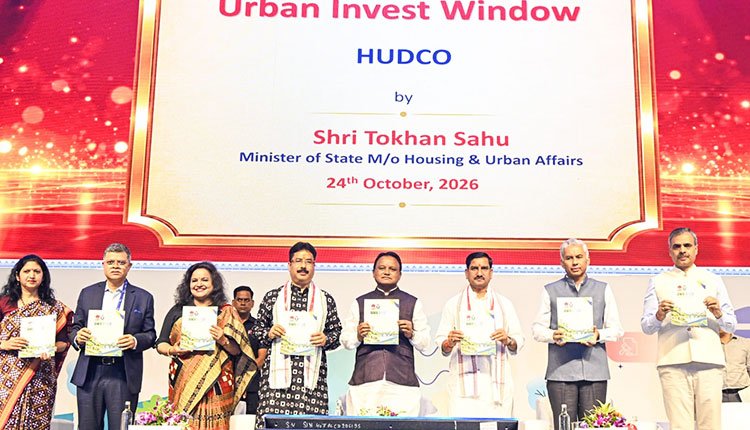
During the event, Majhi also launched the Ankur Handbook, the Town Planning Handbook, and a new urban development policy. NITI Aayog CEO Anurag Jain remarked that by 2047, 50% of India’s population is expected to reside in urban areas, contributing 75% of the nation’s gross domestic product (GDP).
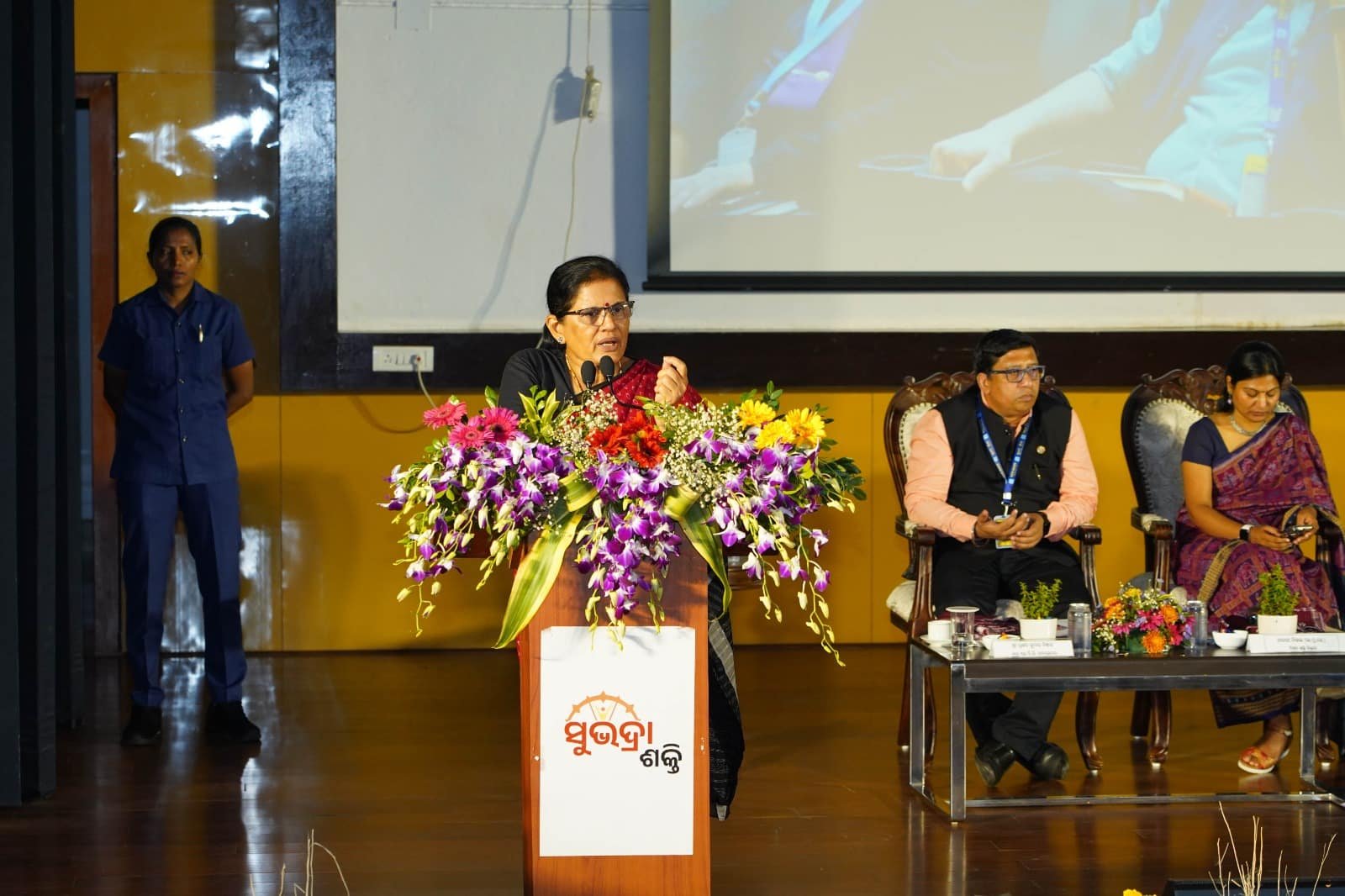
Other dignitaries present included Union Minister of State for Housing and Urban Affairs Tokhan Sahu, State Housing and Urban Development Minister Krushna Chandra Mahapatra, Chief Secretary Anu Garg, Union Urban Development Secretary Satendra Singh, and State H&UD Additional Chief Secretary Usha Padhee.