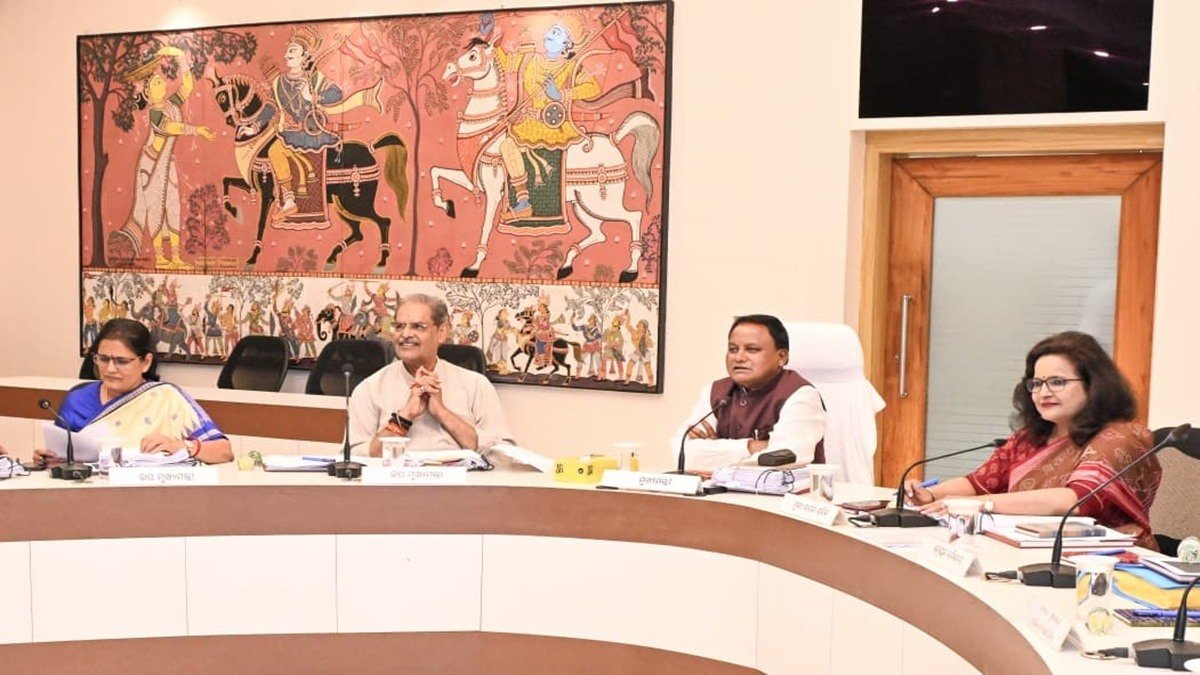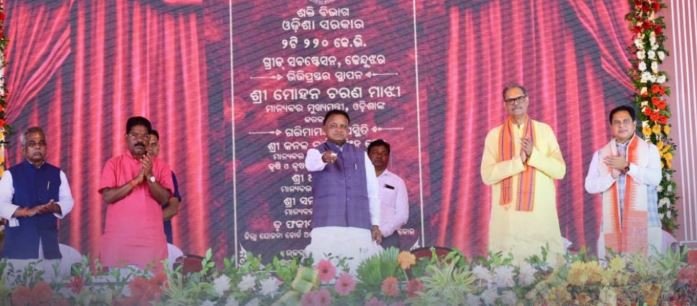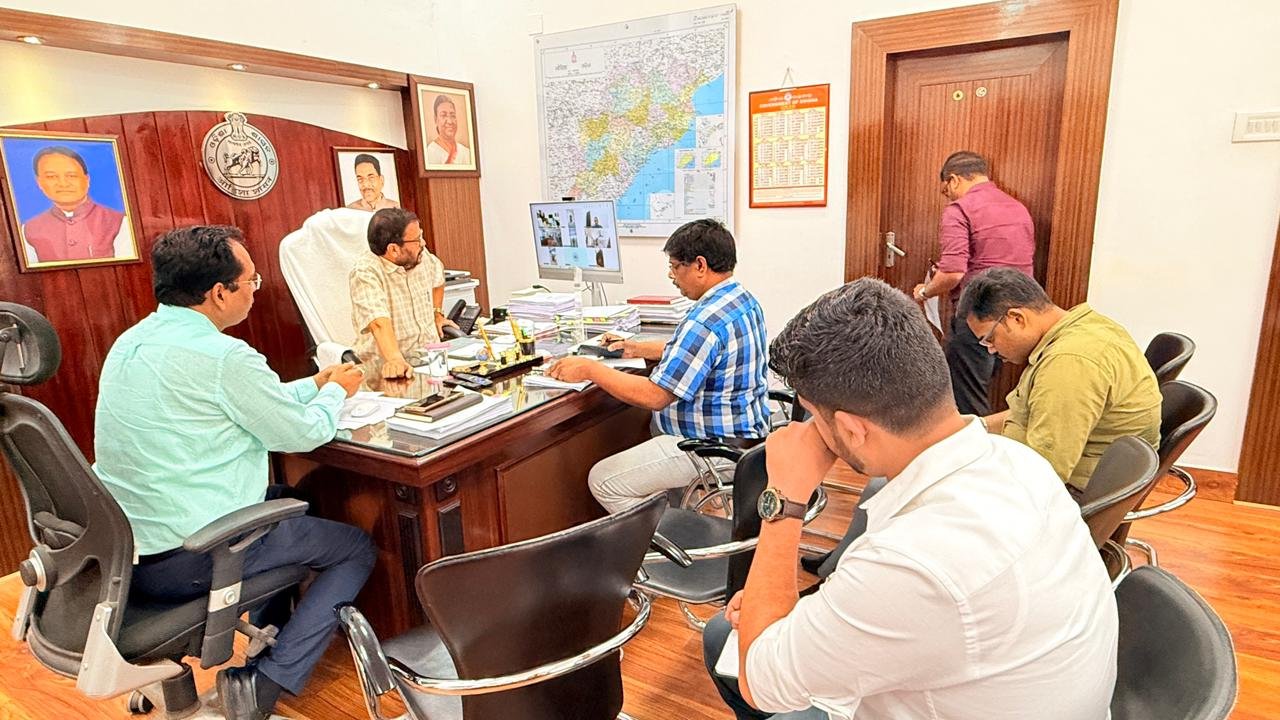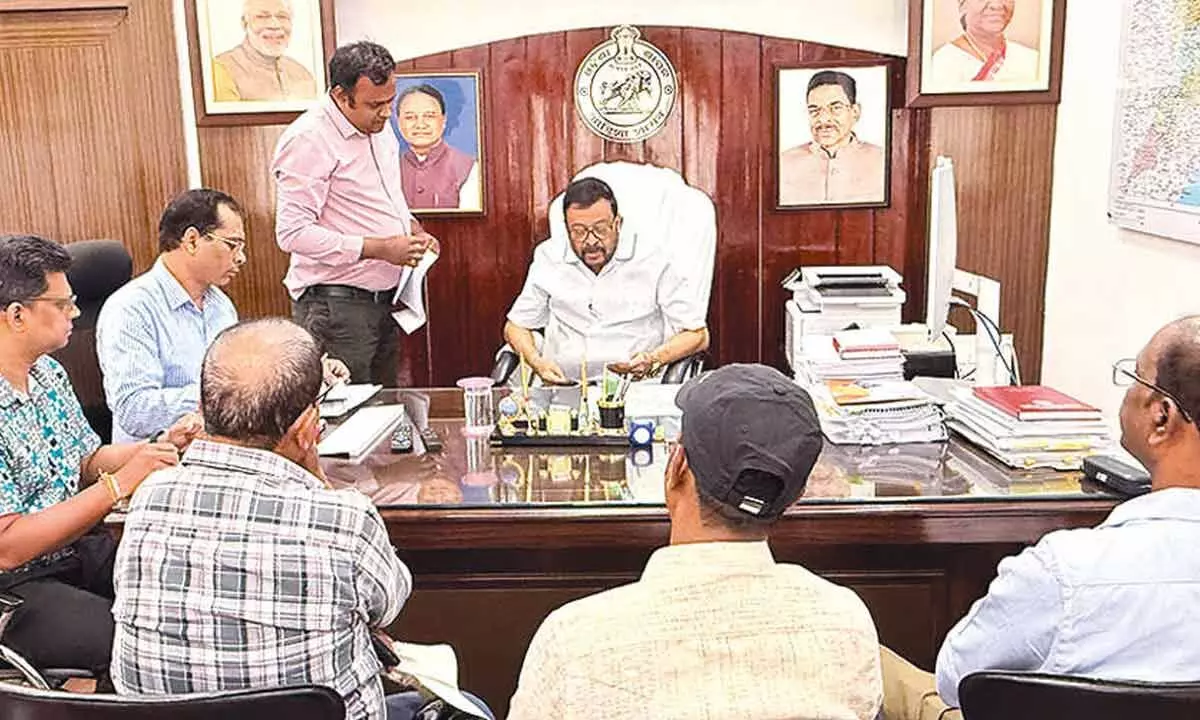
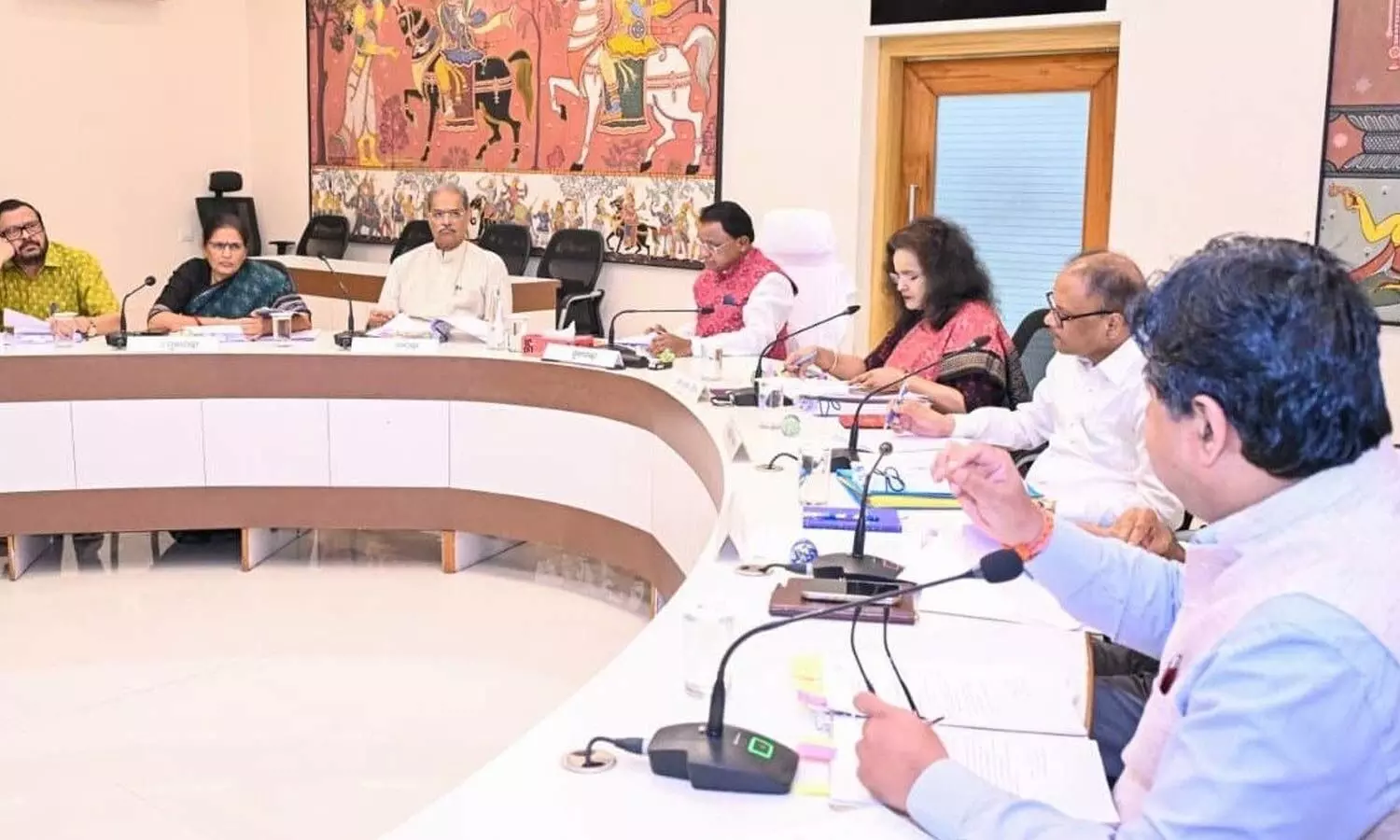
The Odisha government has approved a bill for the establishment of Economic Region Development Authorities (ERDAs) to promote urban growth. This decision was made during a Cabinet meeting led by Chief Minister Mohan Charan Majhi on Saturday, where a total of 11 proposals were greenlit, including a significant Rs 2,995-crore initiative focused on the socio-economic development of tribal communities.
Chief Secretary Anu Garg informed reporters that the Cabinet has endorsed amendments to the Odisha Development Authority (ODA) Act of 1982, which will facilitate the creation of ERDAs in the state. She emphasized the role of urbanization as a crucial driver of economic growth, which necessitates the planned development of urban areas as integrated economic corridors equipped with modern infrastructure, employment opportunities, efficient transportation, and coordinated service delivery.
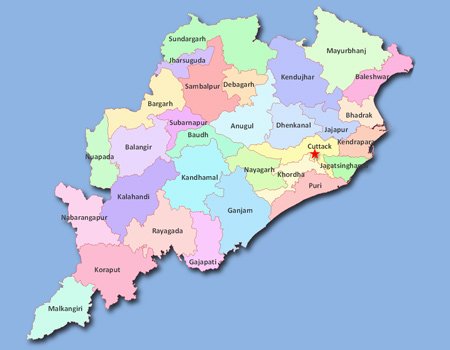
Odisha has set its sights on developing city agglomerations such as the Bhubaneswar-Kataka-Puri-Paradeep Economic Region (BKPPER), along with others like Baragada-Jharsuguda-Sambalpur, Brahmapur-Chhattrapur-Gopalpur, and Jeypore-Koraput-Sunabeda, as part of this initiative.
The Chief Secretary noted that a pilot economic plan for BKPPER has been created in collaboration with the NITI Aayog. She stated that tailored economic plans for these agglomerations would promote development beyond municipal borders, harness the economic strengths of various urban centers, attract investments, create jobs, and enhance housing, mobility, public services, and overall living standards.
Despite the recognition in the Union Budget 2026-27 of such urban economic regions as vital to growth, effective governance of these areas is essential, which is why the establishment of ERDAs is being pursued. The Odisha Development Authorities (Amendment) Bill, 2026, will lay down a robust legal framework for the establishment, powers, and operation of ERDAs, ensuring coordinated and integrated development across Odisha.
In addition to this, the Cabinet has also authorized the implementation of the Mukhya Mantri Janajati Jeevika Mission (MMJJM) 2.0, which is a livelihood program designed to uplift the socio-economic conditions of eight lakh tribal and Particularly Vulnerable Tribal Group (PVTG) households in the state. Garg explained that the MMJJM 2.0 will span five years, from 2026-27 to 2030-31, with a total financial commitment of Rs 2,995 crore, fully financed by the state government. The first phase of this initiative will be rolled out in 13 districts, targeting around 1.5 lakh tribal households. The program intends to boost the income and overall welfare of tribal and PVTG households by supporting sustainable agricultural, off-farm, and non-farm livelihood activities through the establishment of production clusters.
Additionally, the Cabinet has approved six proposals from the Water Resources Department aimed at fortifying Odisha’s agricultural sector, with a focus on enhancing irrigation coverage and ensuring administrative justice.