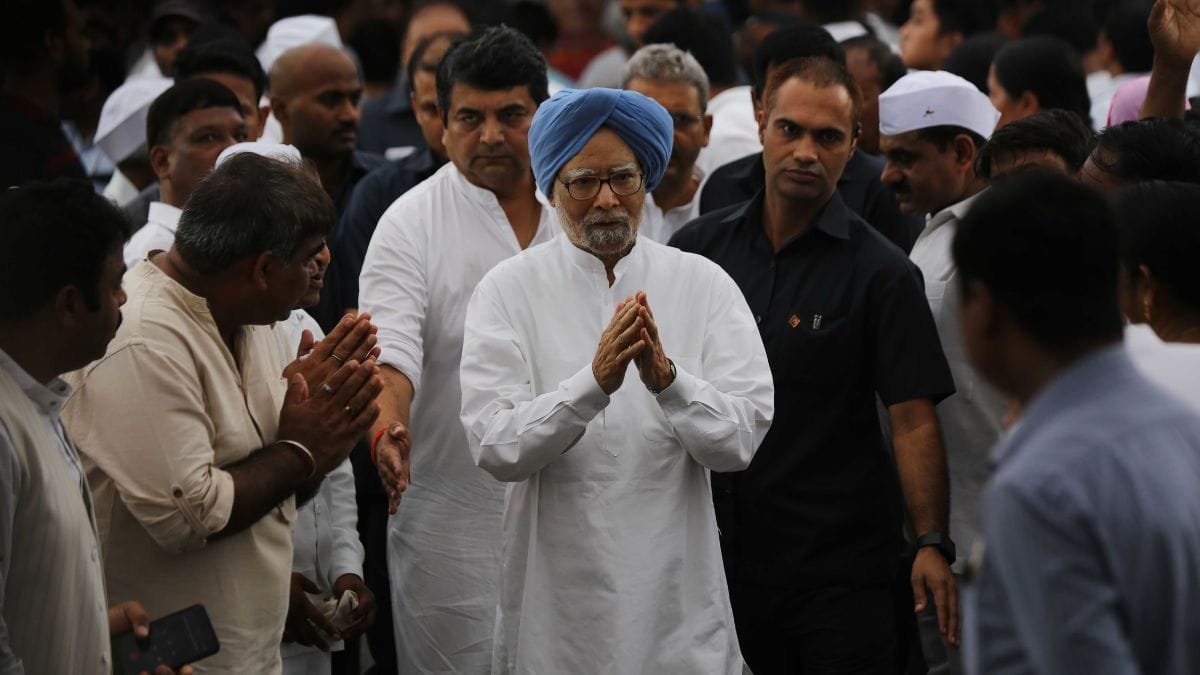
In a significant ruling, the Supreme Court has absolved former Prime Minister Manmohan Singh of any involvement in the coal scam, nearly two years after his death. The court’s decision came after it reviewed a closure report from the Central Bureau of Investigation (CBI) that indicated a lack of prosecutable evidence against Singh.
The case originated from a summons issued by a CBI court, presided over by additional sessions judge Bharat Parashar, now serving as the Supreme Court’s secretary general, on March 12, 2015. Alongside Singh, P.C. Parakh, the former coal secretary, was also summoned to appear before the trial court on April 8 of the same year.
Initially, the trial court rejected the CBI’s closure report, prompting Singh to appeal to the Supreme Court challenging the summons, which was subsequently stayed.
On Wednesday, during a hearing concerning the coal scam, Chief Justice of India (CJI) D.Y. Chandrachud’s bench considered Singh’s appeal, presented by senior advocate Kapil Sibal. Sibal requested that the appeal be resolved in light of Singh’s passing, seeking to erase the trial court’s previous remarks.
Addressing Sibal’s concerns, the bench stated, “We are satisfied that there were no compelling reasons for the learned sessions judge to turn down the closure reports by the CBI and to take cognizance.” The court subsequently allowed the special leave petition (SLP), set aside the trial court’s orders, and accepted the CBI’s closure reports, thereby concluding the matter.
The proceedings began when the trial court summoned Singh, leading to scrutiny of the CBI’s investigation. In November 2014, the presiding judge criticized the CBI for not questioning Singh and directed the agency to record his statement. The CBI finally interviewed Singh in January 2015 at his residence.
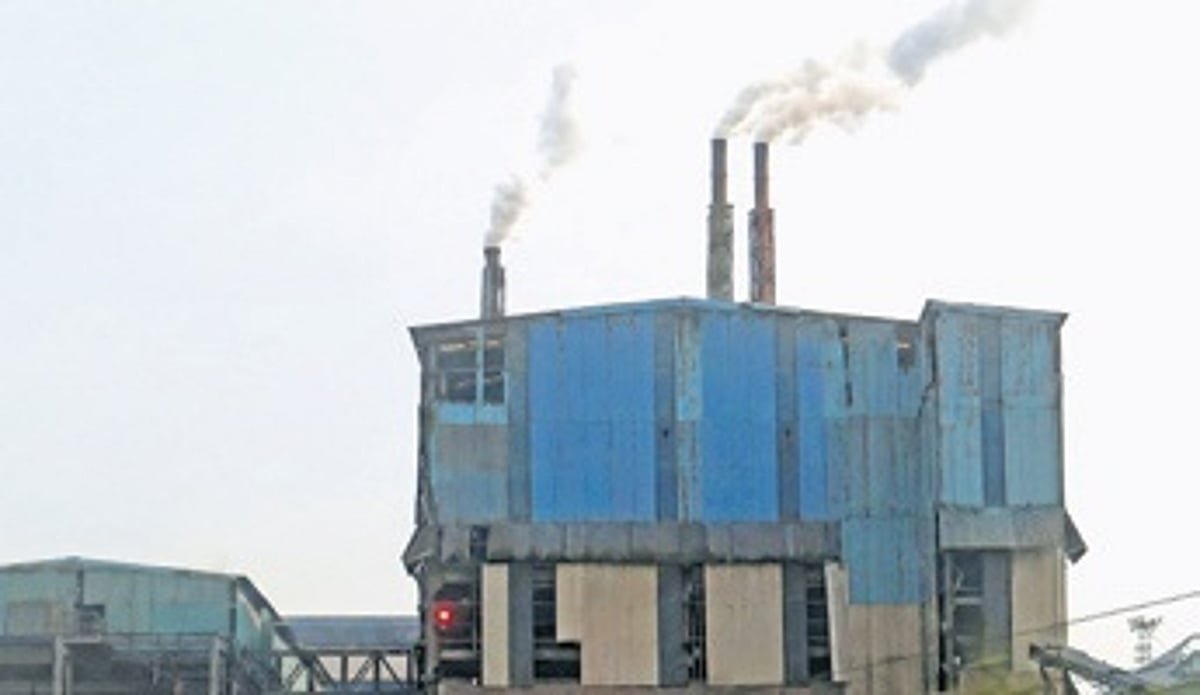
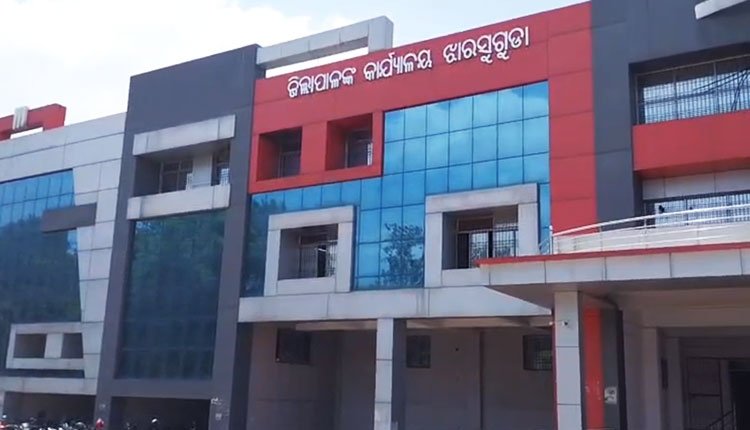
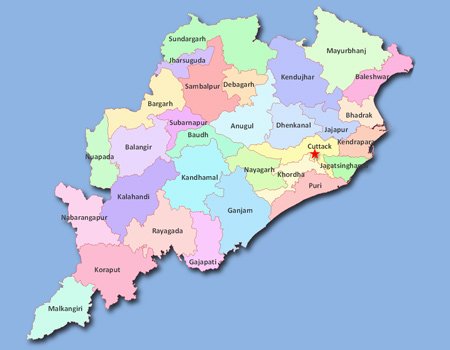
The case centers on the allocation of Talabira-II and III coal blocks to Hindalco Industries, part of the Aditya Birla Group, and others in Odisha’s Jharsuguda district in 2005. The CBI had charged Birla, Parakh, and other officials with criminal conspiracy and misconduct.
During the hearings, Sibal contended that Singh acted within legal bounds while allotting coal blocks and that the decision was an administrative one, not illegal as no statutory restrictions were violated. He strongly criticized the trial court’s summons despite the CBI’s two closure reports supporting Singh’s case.