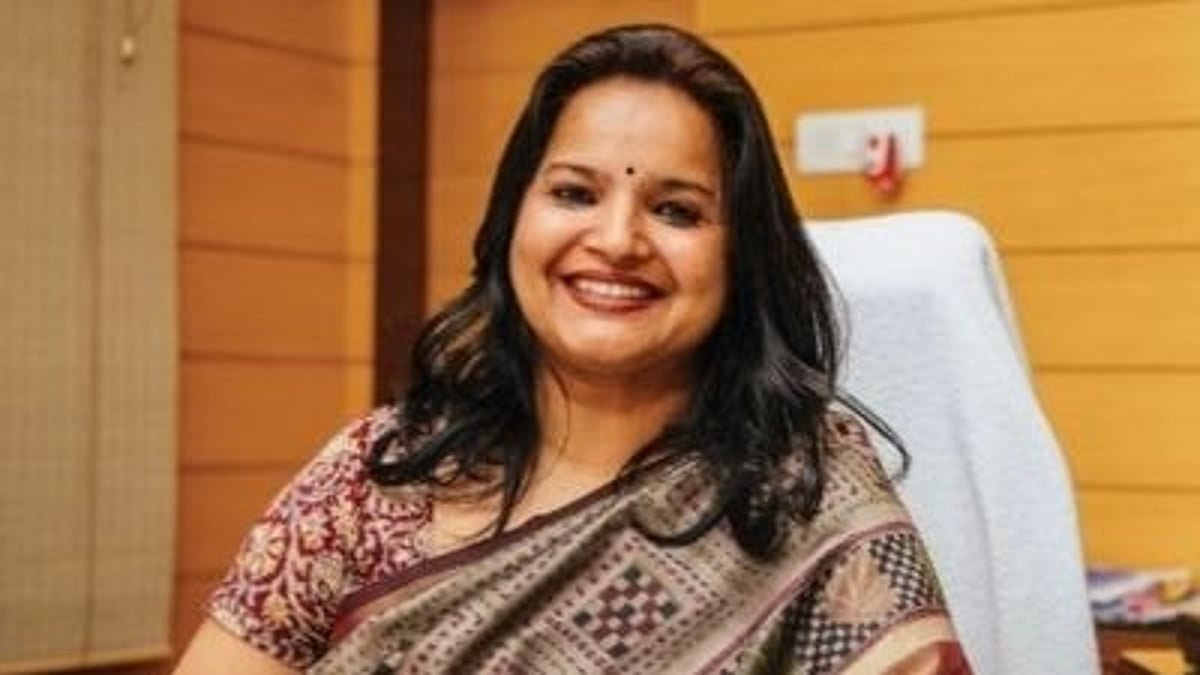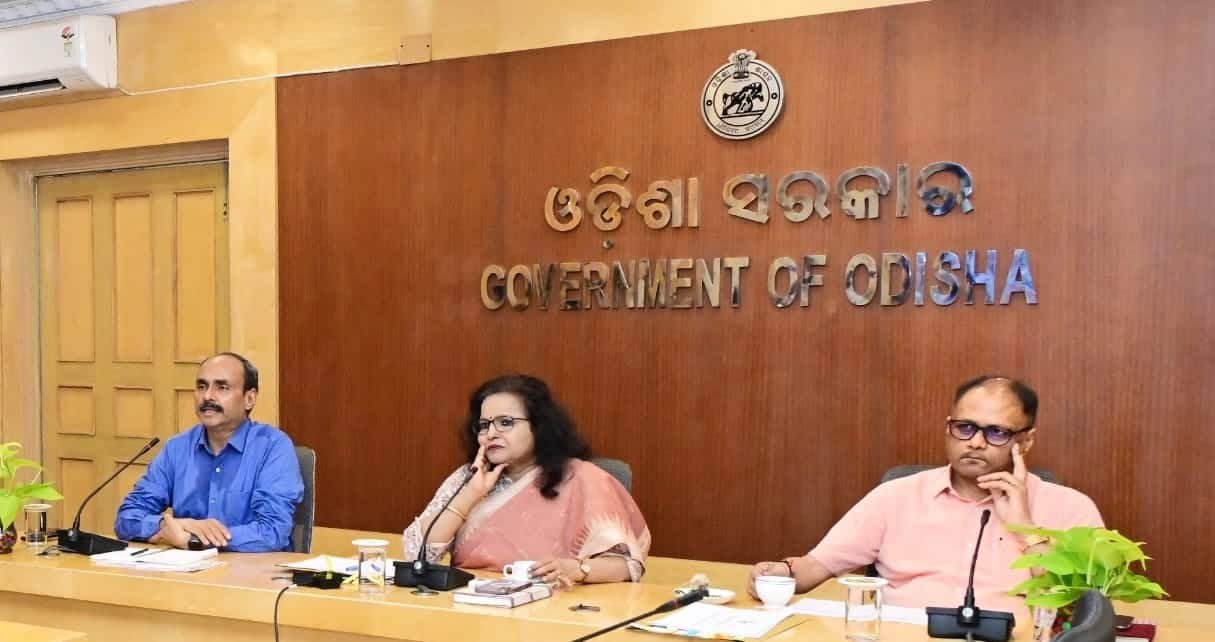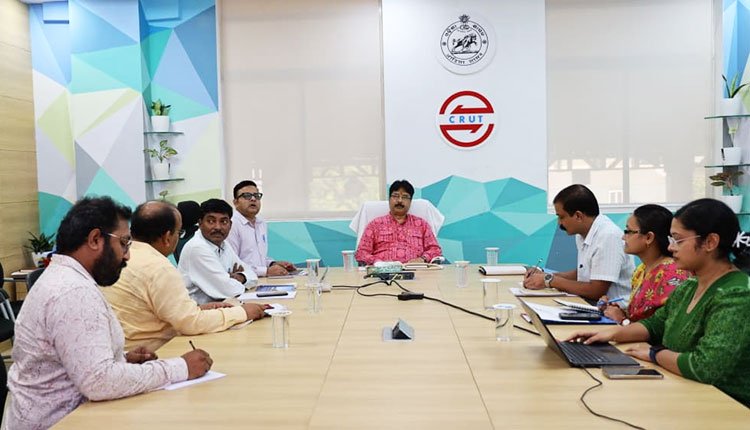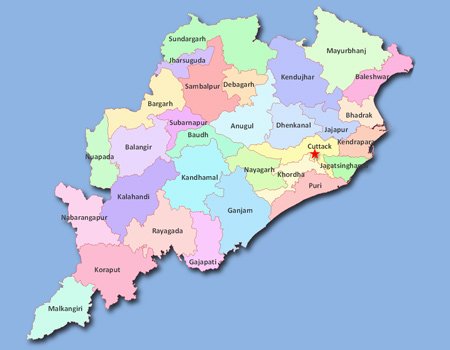
The government of Odisha has instructed all secretaries and senior officials to undertake visits to their assigned districts to evaluate welfare schemes firsthand, as announced by Development Commissioner and Additional Chief Secretary Deoranjan Kumar Singh.
In a letter addressed to various Principal Secretaries and other key officials, Singh encouraged them to arrange a 2-3 day visit to their designated districts, ensuring at least one overnight stay at the District or Subdivisional headquarters.
During these visits, officials will be able to examine the execution of state and centrally sponsored welfare programs by focusing on several key areas:
- Overseeing the implementation of critical government initiatives and engaging with community members from various backgrounds to ensure effective service delivery and infrastructure development. This list of areas is illustrative and not exhaustive.
- Officials should visit District Headquarters Hospitals and Primary Health Centers, engaging with patients and their families to assess the availability of essential services, human resources, and supplies. Particular attention should be paid to fire safety, emergency readiness, and the overall quality of healthcare.
- Visits should include random selection of locations throughout the district, particularly in hard-to-reach and tribal areas, even if that requires traveling on foot. Special attention should be given to schemes benefiting Particularly Vulnerable Tribal Groups (PVTGs) and identifying significant district issues for state-level follow-up.
- At least one Gram Panchayat should be visited to evaluate the extent of coverage for various development and welfare initiatives, ensuring basic facilities are available.
- Officials need to review the progress of ongoing drinking water supply projects, pinpointing delays and communicating issues affecting timelines to the relevant authorities for prompt action. There should be a focus on expediting the completion of Functional Household Tap Connections (FHTCs) to support rural communities.
- In a notable enhancement to student welfare, the mid-day meal scheme has been extended to include students in Classes 9 and 10, aiming to bolster nutrition and reduce secondary school dropout rates. During their visits, secretaries must verify that all students receive at least one meal per day, whether in schools, hostels, or designated centers, and assess the quality of the food provided.
- Visits to Anganwadi Centers (AWCs) should be made to ensure the timely completion of AWC buildings, with any delays needing to be addressed. Additionally, school and hostel facilities for tribal students, particularly girls, should be inspected, allowing for feedback on safety, security, and overall conditions.
- During their inspections, officers should verify the establishment of Internal Complaints Committees and anti-ragging measures in educational institutions. They are advised to converse with female students and staff about essential facilities, such as separate toilets and common rooms, as well as discuss health concerns, including substance abuse and mental health support.
- The status of banking services in the district should also be evaluated, focusing on the accessibility and functionality of banking facilities, including digital payment systems and public grievance resolutions, especially in underserved and rural regions.
- In the eight major District Mineral Fund (DMF) districts, officers should assess the expenditure of DMF and OMBADC funds and visit relevant projects.
- Post-visit, a half-day meeting should be held with District Level Officers and the Collector to share findings and review the implementation of various schemes, particularly significant district projects. Collectors should also be encouraged to promote the One District One Product (ODOP) initiative, facilitating market connections for identified products.
- Officials assigned to Aspirational Districts must closely evaluate performance under the Aspirational Districts Programme and the proper utilization of financial incentives.
- Forty blocks in Odisha, listed in Annexure III, have been designated as Aspirational Blocks, which officers should also review.
- Close interaction with junior officers, including IAS (Officer Trainees), is recommended, encouraging their participation in field visits.
- Officers are expected to visit their assigned district at least once every three months for two days and document their findings in the Par-e-darshan portal, sharing a copy with the Chief Secretary and relevant authorities.