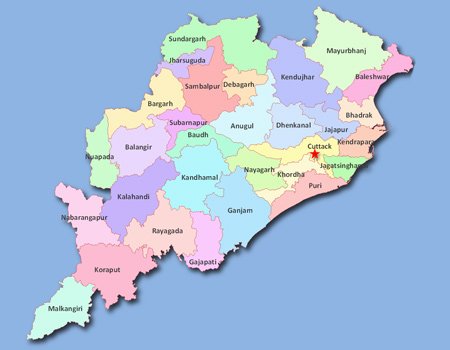

The arrest of Dr. Randall Sequeira, a physician serving remote tribal communities in Kalahandi and Rayagada districts of Odisha, on the night of October 16, has sparked renewed tension in the ongoing struggle between anti-mining activists and major aluminum corporations, including Vedanta and Adani, which are supported by the state government.
Dr. Sequeira and fellow anti-bauxite mining activist Laxman Naik were taken into custody from Dr. Sequeira’s home in Bhawanipatna around 11 PM that night and presented in a first-class judicial magistrate court in Rayagada the following day.
Both activists face serious charges, including attempted murder (Section 109 A), rioting with a deadly weapon (Section 191 (2) & 3), dacoity, armed robbery (Section 310 (2)), and criminal intimidation (Section 351 (3)). The JMFC court denied their bail request, leading to their detention at the Rayagada sub jail.
Due to local courts being closed for Puja vacations, their bail appeal will not be addressed by the sessions court until after October 27.
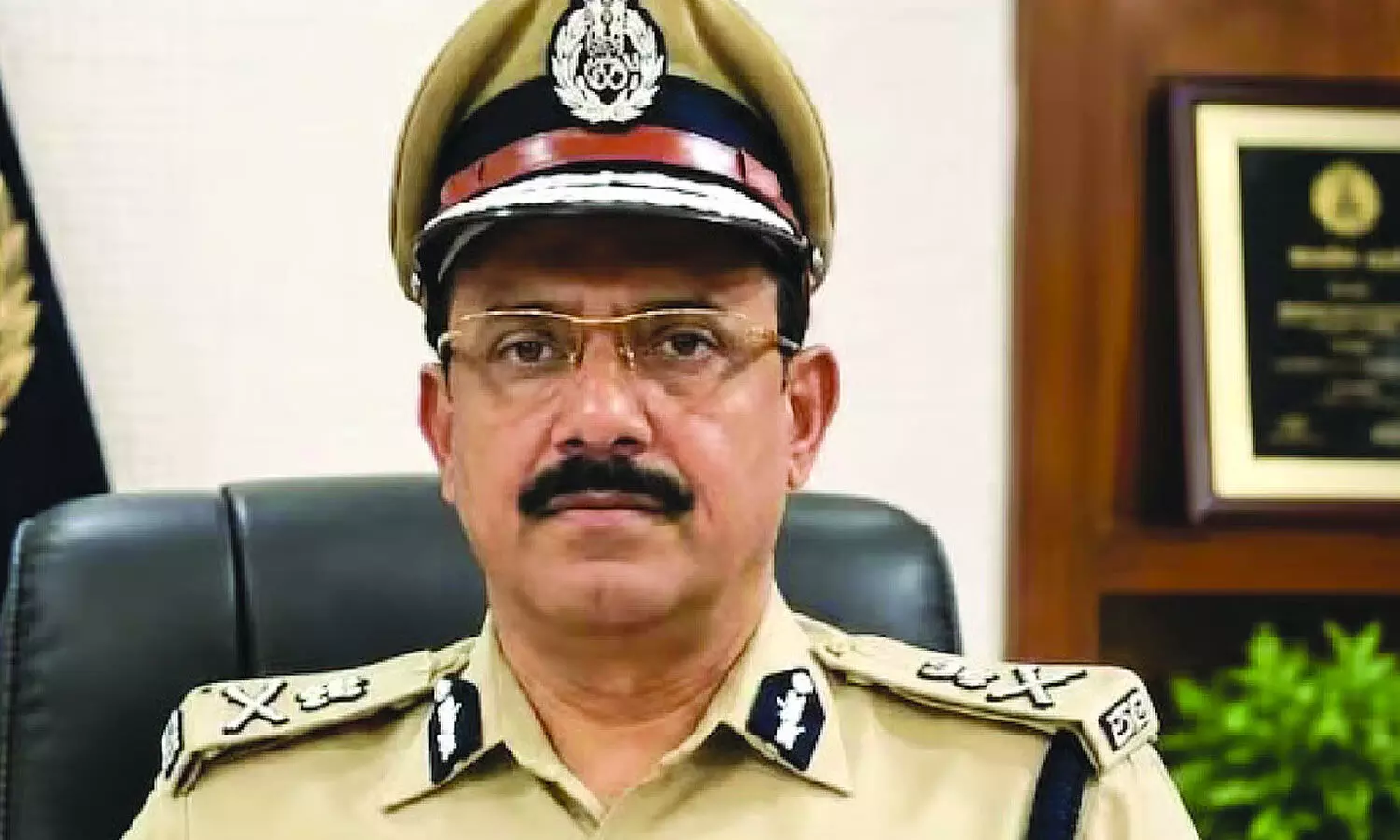
Akhileshwar Singh, the inspector general of the south-western range, defended the arrests, stating they were necessary to maintain public order. Singh noted, “At least four to five cases have been registered against Dr. Sequeira, who is accused of inciting tribal members to falsely accuse the state government. Two tribal women have filed complaints against him in this regard.” Meanwhile, Rayagada superintendent of police Raj Prasad mentioned that Laxman Naik has 16 pending cases against him.
However, activists opposing bauxite mining in the Sijimali and Kutrumali hills have ridiculed these accusations against Dr. Sequeira and Naik. Subas Singh Majhi, president of the Maa, Maati, Maali Suraksha Manch, which is leading the anti-mining movement, stated, “He has never held anything in his hands apart from a stethoscope in his life. He provides free healthcare services to people in remote areas lacking hospitals and doctors. Accusing him of attempt to murder and rioting with deadly weapons is absurd. His only crime was treating individuals injured during a police crackdown in our village on April 6/7 this year, and he wasn’t even present during the incident.”
Numerous tribal individuals were hurt when police forcefully entered Kantamal village in the Kashipur block of Rayagada district to arrest Majhi in a separate case. Some policemen also sustained injuries as villagers resisted the aggressive approach. This assertion is supported by Suna Majhi, a resident of nearby Sarambai village, who claimed, “He has been treating people in the villages since 2017. This case against him has been filed falsely at the behest of company officials (Vedanta).”
Dr. Sequeira, originally from Mangaluru in Karnataka, spent his formative years in Mumbai before earning his MBBS from St John’s Medical College in Bengaluru and his MD in internal medicine from Sawai Man Singh Medical College in Rajasthan. Unlike many in his field, he dedicated himself to serving tribal populations in one of India’s most isolated regions after witnessing the challenges they face in accessing healthcare during his mandatory rural service while studying.
After moving to Kalahandi to work with an NGO in 2017, he has remained committed to the area. A member of the ‘Medico Friends Circle’ and ‘Jan Swasthya Abhijan,’ Dr. Sequeira became increasingly involved in the tribal struggle against the exploitation of their sacred lands by industrial interests.
Prominent environmentalist Prafulla Samantara, who heads the Lok Shakti Abhijan and received the Goldman Environment Award in 2017, remarked that Dr. Sequeira can at best be described as a supporter of the tribal fight to protect their land and resources from exploitation. He stated, “His arrest on fabricated charges demonstrates that the state government is colluding with those seeking to undermine tribal rights enshrined in the constitution under Schedule V.”
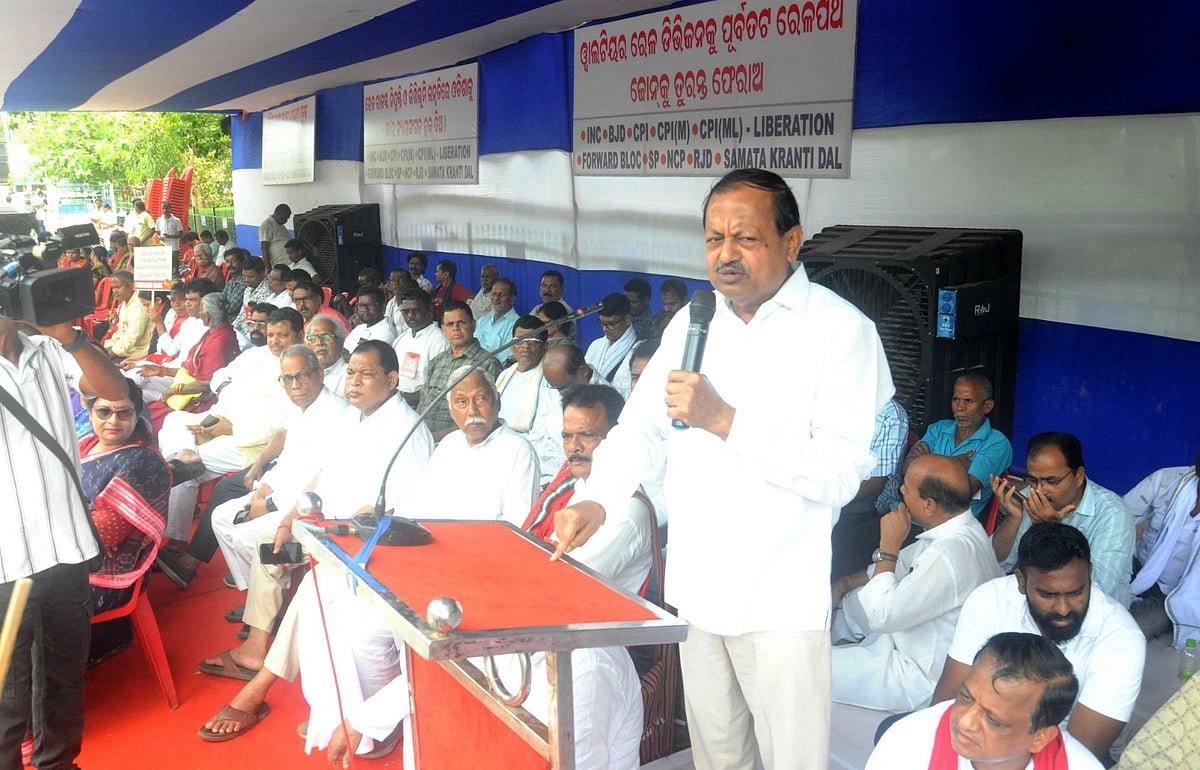
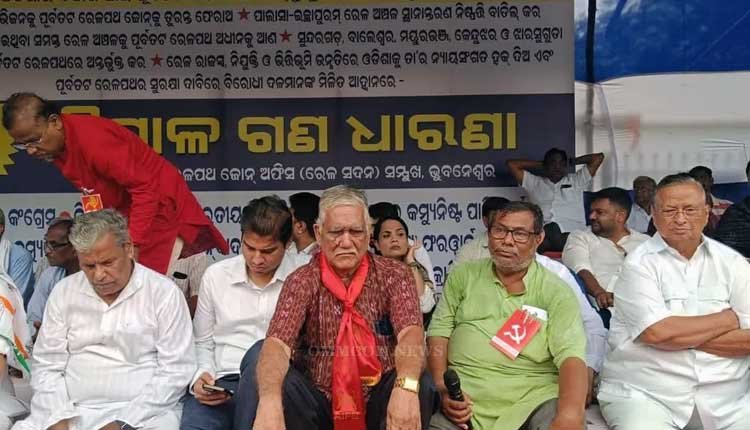
This incident is part of a broader crackdown on individuals opposing mining operations in the bauxite-rich regions of Kalahandi and Rayagada. Earlier, on March 26, tribal rights activist Lingaraj Azad, president of the Samajwadi Jan Parishad, and his associate Suresh Sangam were arrested and have been imprisoned since. On September 10, NSS president Lada Sikaka faced arrest under what activists label as baseless charges.
Critics allege a pattern in these arrests, with the FIR that led to Dr. Sequeira’s detention not even mentioning his name, and he had previously secured anticipatory bail in a separate case. Narendra Mohanty, convenor of the Campaign Against Fabricated Cases, explained, “The police practice of leaving cases open-ended by naming individuals and adding ‘others’ allows them to arrest someone whenever they choose, particularly after a person is released on bail in another case.”
Activists emphasize that the tactics used against them are aimed at suppressing the leadership of the anti-mining movement. For instance, activist Hiramal Nayak was arrested immediately after being released on bail from a different case. Samantara commented on the absurdity of certain charges, noting that one of the cases against Lingaraj Azad, who has been a staunch opponent of Vedanta’s attempts to mine in the Niyamgiri hills, accuses him of taking a bribe to secure a job with the company.
The Human Rights Forum stated, “The ongoing practice of implicating activists in successive cases, even after they are granted bail, underscores how criminal proceedings are being manipulated to keep movement leaders incarcerated and intimidate others who continue to resist.”
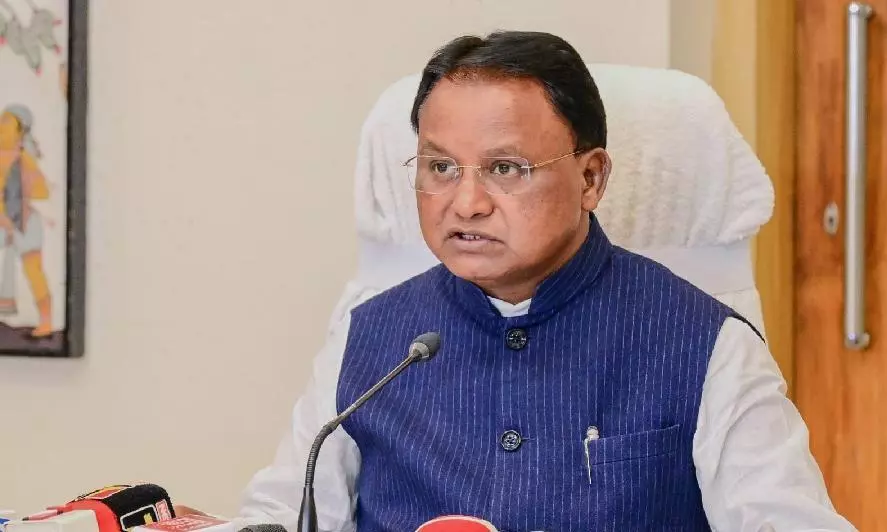
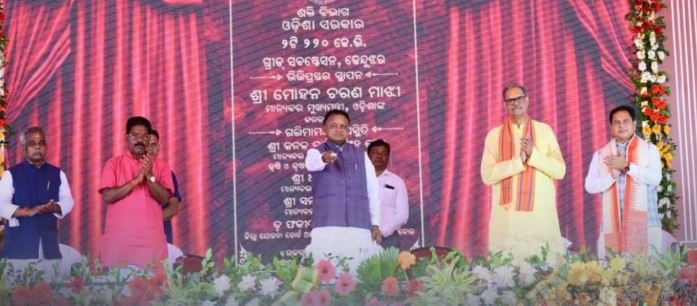
Activists on the ground are linking this intensified crackdown to Vedanta Chairman Anil Agarwal’s recent visit to Odisha, where he met with Chief Minister Mohan Charan Majhi on September 26. Following the meeting, Agarwal expressed confidence in the state government, stating, “I have full trust in the state government. Everything will be settled by November.” After previously facing setbacks in their attempt to mine the Niyamgiri hills due to a landmark Supreme Court ruling in 2013, Vedanta is now focusing on the Sijimali hills to achieve its ambitious goals in the global aluminum market.
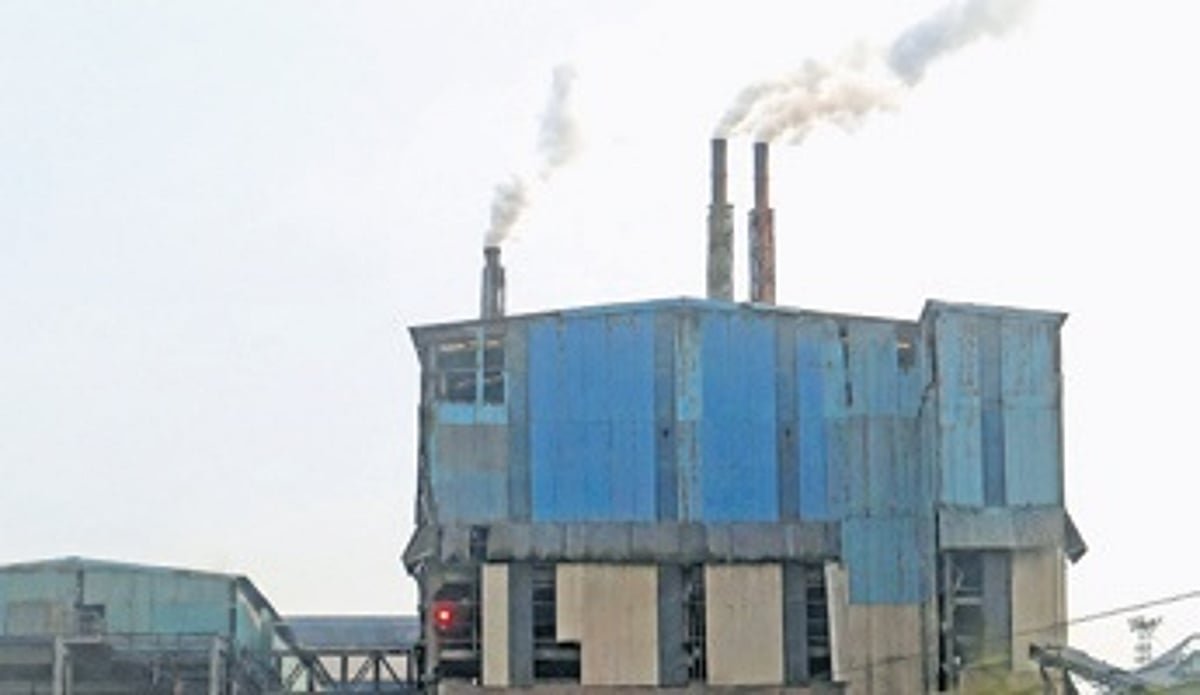
Vedanta has obtained a mining lease covering 1,549 acres, which includes 709 acres of forest, with an estimated 311 million tonnes of high-grade bauxite. This area, encompassing 18 villages in the Thuamul-Rampur and Kashipur tehsils, is essential for maintaining the operations of the company’s 6 MTPA refinery in Lanjigarh and its smelter plant in Jharsuguda.
Attempts to obtain a response from Vedanta regarding Dr. Sequeira’s arrest were unsuccessful, with a company spokesperson stating, “It is strictly a matter of law enforcement.”