Bhubaneswar: The Water Corporation of Odisha (Watco) has begun the process of establishing 46 laboratories dedicated to testing water quality across the state, focusing on long-term monitoring in urban areas. Recently, Watco issued a tender for this initiative, which is projected to cost approximately Rs 3.61 crore. The project encompasses the setup of the labs, along with their operation and maintenance for a decade.
The chosen contractor is expected to complete the laboratory setups within six months and manage the ongoing water quality monitoring efforts. These laboratories will be located in 29 urban local bodies (ULBs) under Watco’s oversight, including cities such as Bhubaneswar, Cuttack, Puri, Berhampur, Rourkela, Sambalpur, Jharsuguda, Baripada, and Keonjhar. Bhubaneswar is slated to receive five labs, while Sambalpur will have six. Other municipalities will be allocated one to three labs based on the size of their water supply systems.
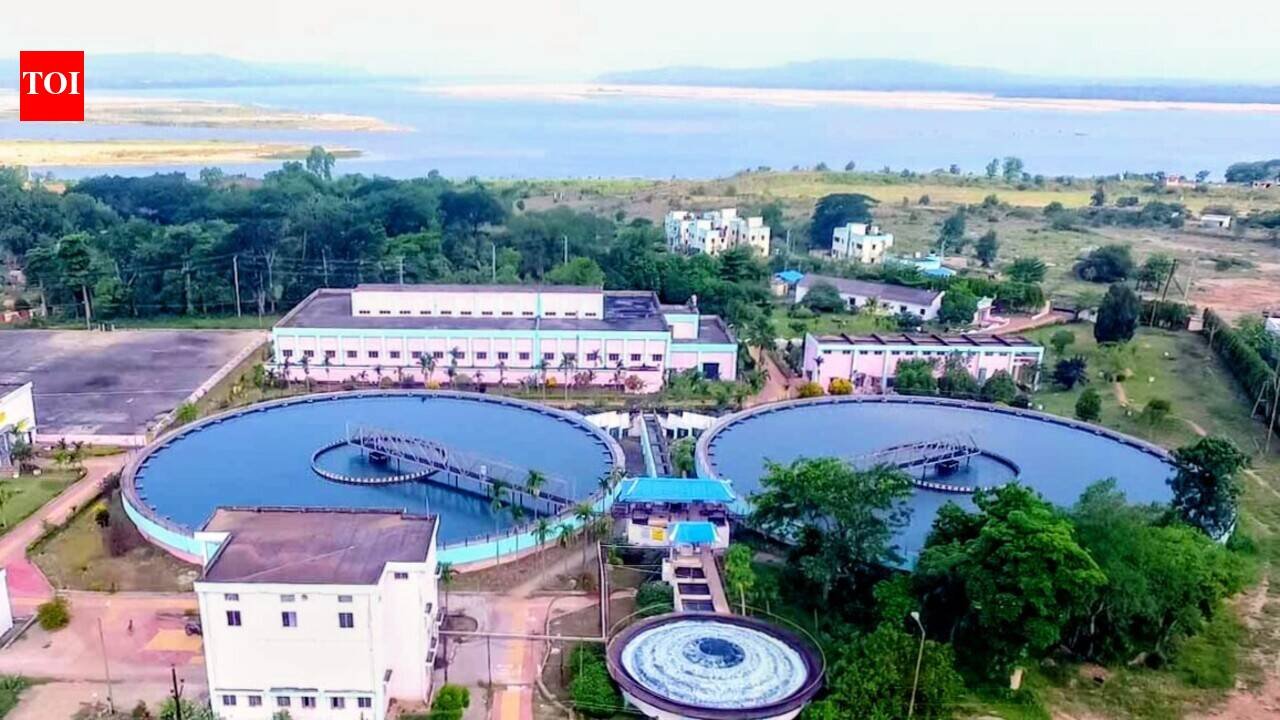
Currently, Watco operates a water treatment facility at Basuaghai on the outskirts of Bhubaneswar and a testing center near the Kuakhai River. According to the tender documents, this initiative seeks to bolster the state’s water quality monitoring framework in alignment with the Odisha State Urban Water Supply Policy. The new laboratories are intended to be advanced testing centers that meet the standards set by the National Accreditation Board for Testing and Calibration Laboratories (NABL).
Equipped with the latest technology, these labs will feature instruments such as pH meters, turbidity meters, conductivity meters, total dissolved solids (TDS) meters, colorimeters, chloroscopes, and various other testing devices. Watco will provide the necessary infrastructure and utility services, while the selected agency will be responsible for supplying equipment, chemicals, laboratory materials, and qualified personnel.
Regular sampling will be conducted from various points in the water supply chain, including raw water sources, treatment facilities, reservoirs, distribution systems, and consumer endpoints. The testing will focus on critical parameters such as turbidity, pH, residual chlorine, total dissolved solids, alkalinity, color, and odor. Additionally, the tender stipulates that dedicated laboratory personnel must be deployed and that periodic training sessions will be held to ensure compliance with national standards and protocols. Sampling and testing will adhere to established parameters, including IS 3025 and APHA guidelines, according to officials.