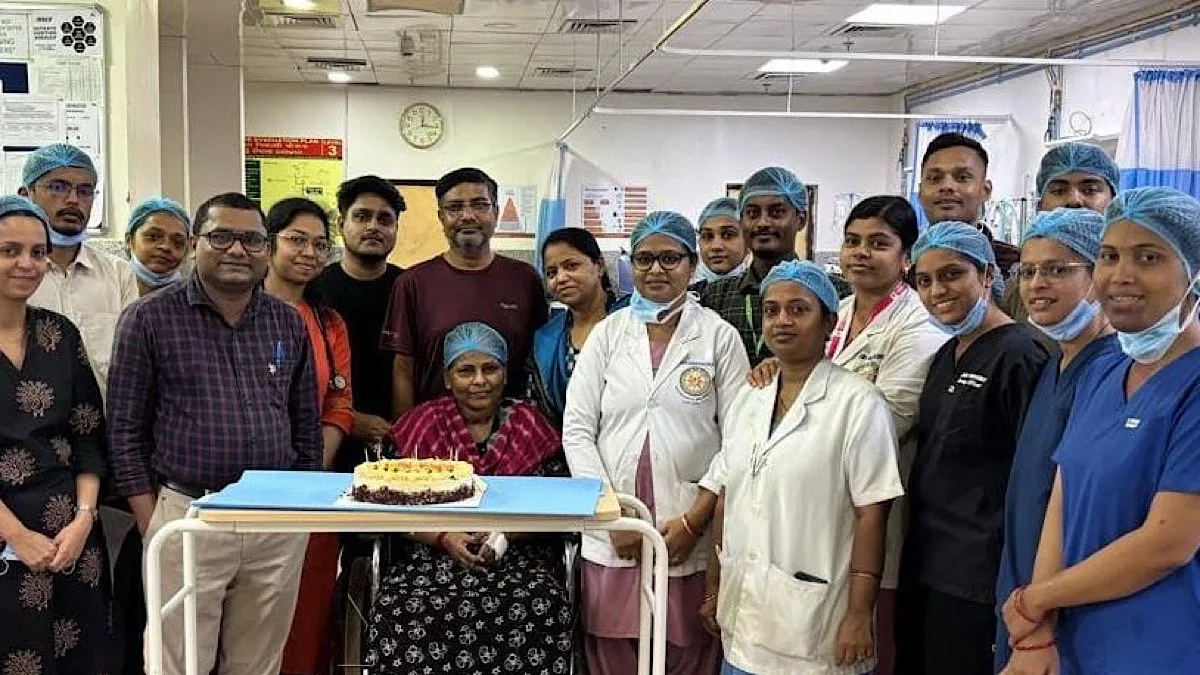
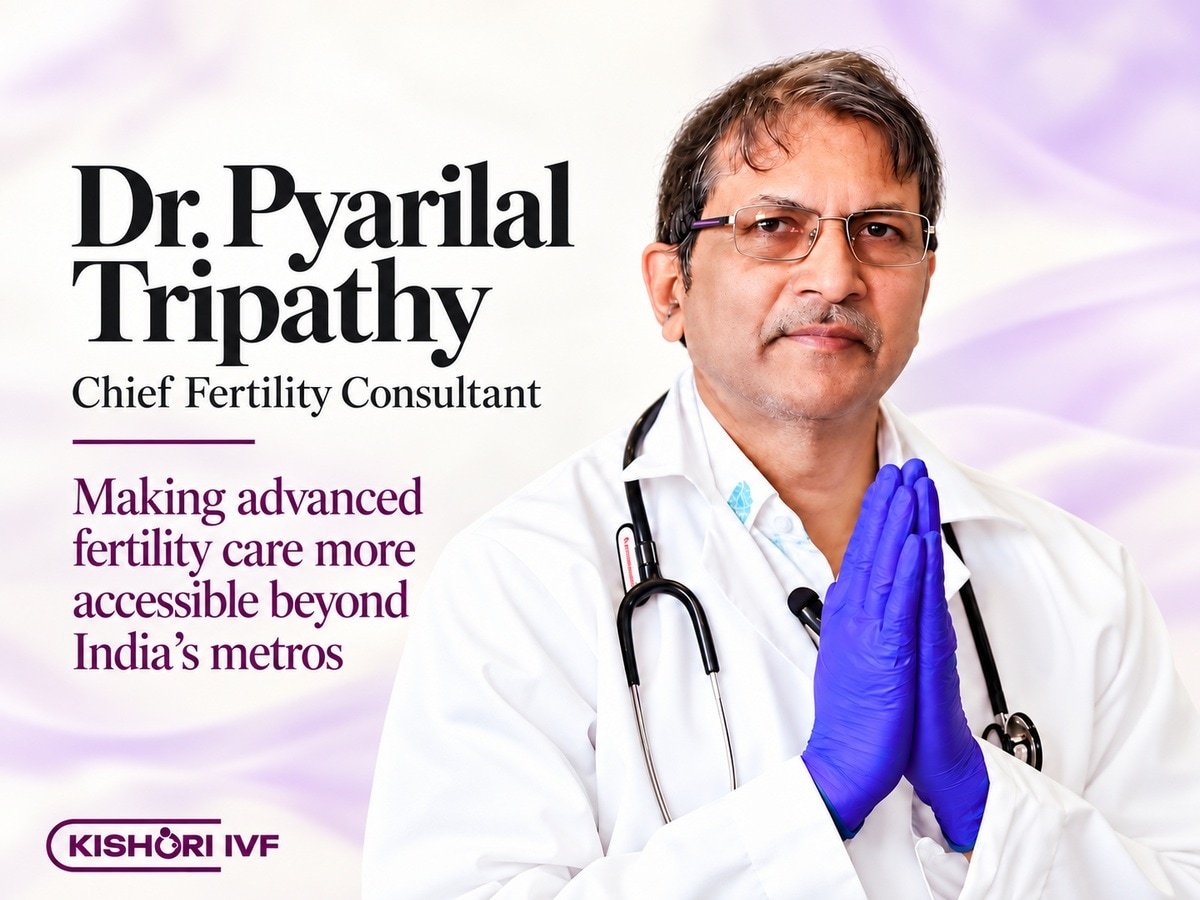
Established in 2013 as a specialized fertility division of Kishori Hospital, Kishori IVF began its journey with just three couples in its first month. Lacking a grand opening and initial patient rush, the founders believed that couples residing in smaller Indian cities deserved the same high-quality fertility care that was previously available only in urban centers. Over a decade later, this vision has proven successful, as the center now conducts between 600 and 700 IVF cycles each year and has assisted over 15,000 couples, expanding its reach from Bargarh to Jharsuguda, Angul, and Cuttack.
However, the statistics reveal only a portion of the narrative. For an establishment focused on one of the most emotionally sensitive areas of medicine, growth involved more than simply increasing the number of centers. The Kishori IVF team emphasizes, “Our growth has never been only about adding centres. It has been about improving accessibility, maintaining consistent standards and supporting more couples with compassion and dignity.”
Bridging a Critical Gap
At the time of Kishori IVF’s launch, couples in Tier-II and Tier-III cities seeking fertility treatments had limited options, often compelled to travel to far-off metropolis cities, a costly and logistically challenging endeavor on top of an already stressful medical process. The center was established to fill this gap by providing advanced fertility care from experienced specialists without the burdens of relocation or excessive expenses.
This gap was not solely geographical; the leadership at Kishori IVF highlights affordability and social stigma as significant initial hurdles that needed to be addressed before clinical services could truly commence. They assert, “Our first and foremost aim was to break the social stigma and to encourage couples to come forward to seek treatment,” stressing that accessibility encompasses not just location but also clear communication and tailored financial and emotional support.
In the last ten years, social stigma has notably diminished, especially outside major cities in India. Patients now arrive better educated, posing specific inquiries regarding treatment options, costs, timelines, and success rates. This marks a significant change from a decade ago when initial counseling sessions often began with the need to convince couples that infertility was not a source of shame. Additionally, there has been a positive shift with more men participating in consultations and investigations, challenging the long-held belief that infertility is solely a female issue.
Customizing the Fertility Experience
Kishori IVF’s clinical philosophy is based on the understanding that each fertility journey is unique, and not every couple requires IVF. Treatment plans are customized according to each couple’s reproductive history, age, lifestyle, and previous interventions, with a preference for the least invasive yet effective methods—be it lifestyle modifications, medication, ovulation induction, IUI, or IVF when necessary.
Describing itself as research-driven, the center has shared protocols such as “2nd Trigger in IUI” and “Embryo Transfer after Aspiration of Endometrial Fluid” at international forums. Their clinical capabilities include comprehensive hormonal assessments, advanced semen analysis, and high-resolution ultrasound monitoring, along with procedures like ovulation induction, Ovarian, Testicular and Sub-endometrial PRP, IUI, conventional IVF, and ICSI, all supported by an embryology lab specializing in blastocyst culture and embryo grading. The team asserts, “Our focus is not simply on using the latest technology, but on using the right technology for the right patient at the right time.”
Support Beyond Clinical Care
Recognizing that fertility treatment often comes with emotional challenges, Kishori IVF has established a dedicated counseling service to accompany its clinical efforts, ensuring couples are informed and supported throughout what can be a lengthy and uncertain process. The center emphasizes that trust is built not only through reassurances but also through tangible results. “We firmly believe in achievement over words,” they state, emphasizing a preference for realistic guidance over exaggerated promises regarding costs, procedures, and outcomes.
This patient-centric approach is bolstered by the integration of Kishori IVF within the larger Kishori Hospital framework, which encompasses fertility specialists, gynecologists, obstetricians, and diagnostic and surgical support all in one location. For women dealing with conditions such as PCOS, endometriosis, fibroids, or recurrent pregnancy loss, this collaboration enables coordinated, multidisciplinary care that continues beyond a positive pregnancy test to include monitoring throughout pregnancy and delivery.
Looking Ahead
The founders of Kishori IVF envision the center’s influence extending well beyond Western Odisha, attracting patients from across India and occasionally from abroad. Their next growth phase will focus on establishing a broader network in underserved regions, alongside structured training programs for gynecologists, embryologists, nurses, and counselors, aiming to enhance the fertility-care ecosystem rather than merely increasing the number of clinics.
Regarding the future of fertility medicine, the center expresses cautious optimism about the potential of artificial intelligence in predicting ovarian responses, fine-tuning medication dosages, and standardizing embryo assessments, as well as advances in cryopreservation for those postponing parenthood. However, they stress the importance of viewing technology as a supportive clinical tool rather than a replacement for human judgment. “We must use technology as a clinical aid and not as a sole decision-making apparatus,” they emphasize, “especially when infertility is concerned.”
Ultimately, Kishori IVF aspires to shift the cultural perception of infertility, aiming to redefine it as a medical condition that deserves compassion, dignity, and, fundamentally, hope. “Our purpose is to change the way infertility is understood and experienced,” the center declares, striving to help families move away from feelings of shame and blame.