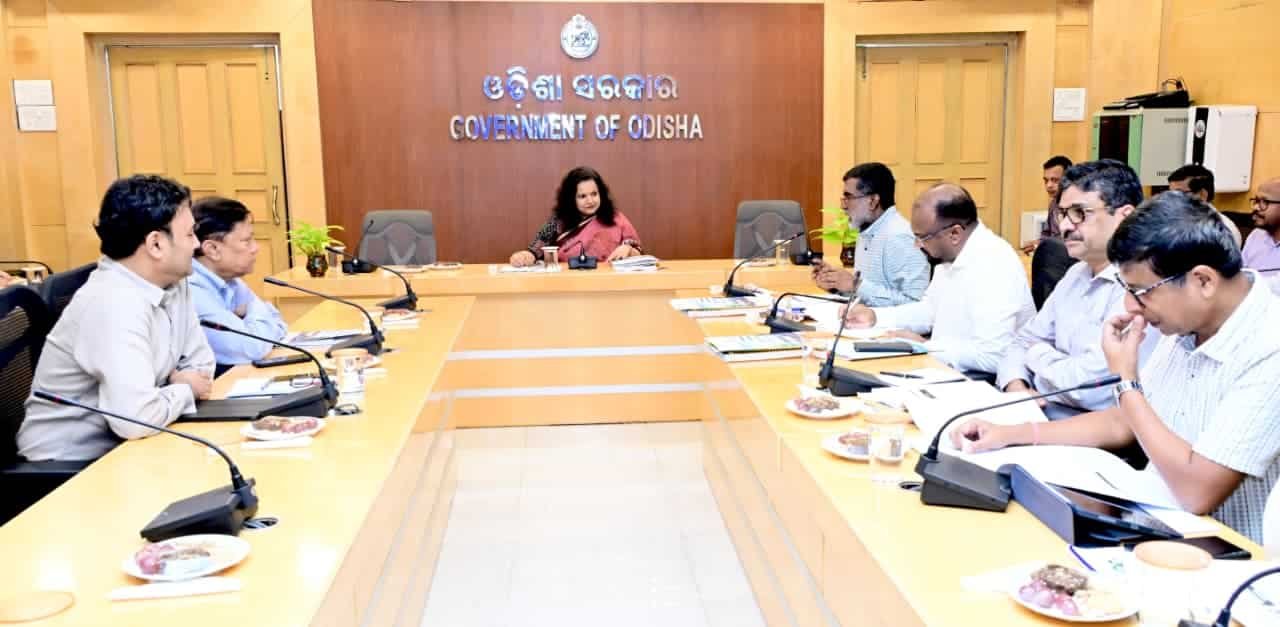
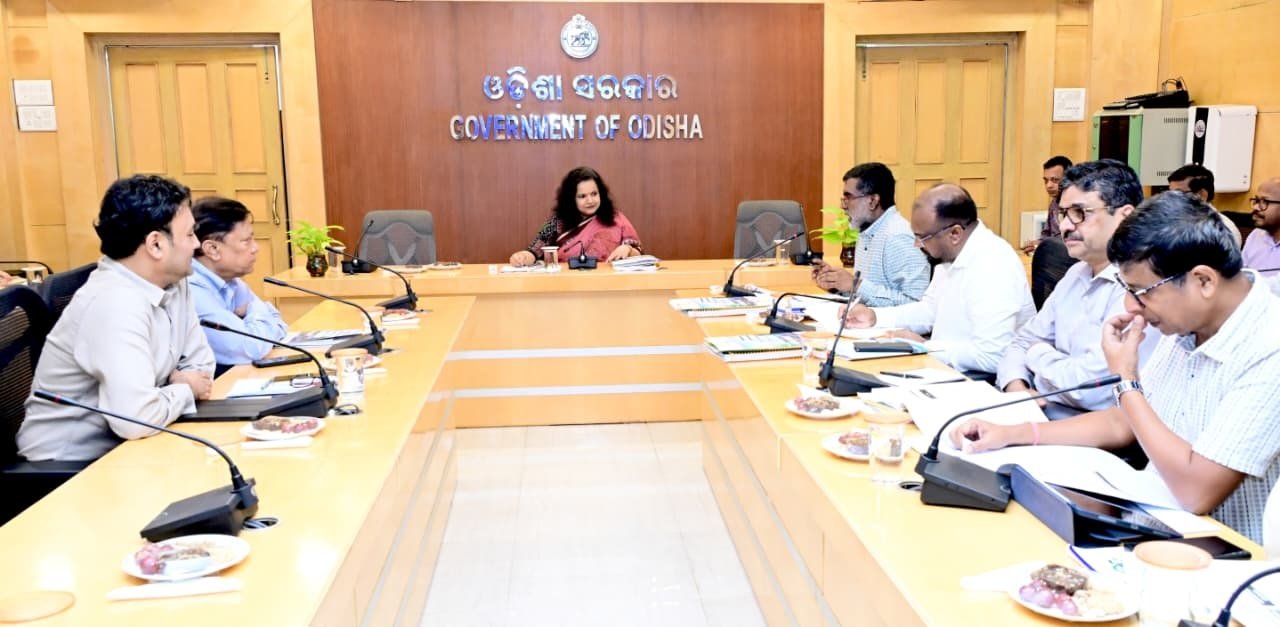
Bhubaneswar: Odisha plans to develop an extensive Fly Ash Atlas designed to effectively manage the production, availability, and utilization of fly ash, while also tracking its distribution from producers to consumers, Chief Secretary Anu Garg stated on Thursday. This initiative seeks to establish a robust database detailing the generation, availability, and demand for fly ash throughout the state. The decision was made during the 135th Board meeting of the Odisha State Pollution Control Board (OSPCB) held in Bhubaneswar.
During the meeting, chaired by Garg, participants also agreed to advance research on the biostabilisation and biotransformation of fly ash in partnership with academic and research institutions. The board evaluated various strategies to enhance the institutional and technical capabilities of the OSPCB, modernize its laboratory facilities, promote research initiatives, and strengthen coastal environmental monitoring. A significant focus was placed on a proposal to establish the Centre for Management of Coastal Ecosystem (CMCE) in Paradip as a Centre of Excellence for coastal environmental analysis and monitoring. Garg emphasized that this center should evolve beyond a mere laboratory, becoming a comprehensive hub for science, data, and technology dedicated to coastal environmental protection.
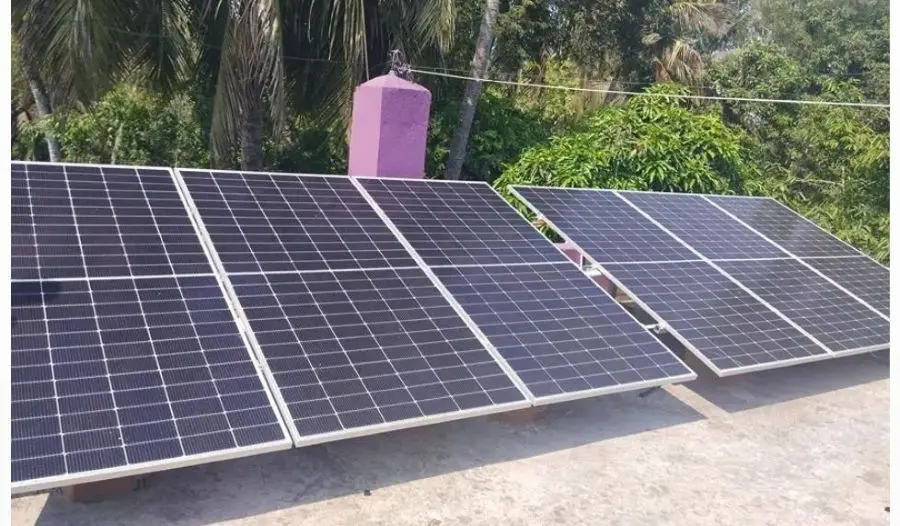
The meeting also explored plans to construct dedicated regional offices for the OSPCB in Kataka, Jharsuguda, Koraput, Kalinganagar, Bhubaneswar, Kendujhar, and Sambalpur, in addition to modernizing the laboratory based in Patia. Garg highlighted the importance of incorporating green building practices, rainwater harvesting, solar energy, and vermicomposting into the new infrastructure. Furthermore, the establishment and operation of an Interpretation Centre were discussed as part of broader efforts to enhance environmental awareness and outreach.
To expedite environmental monitoring and make it more data-driven, the board proposed the creation of a Command and Control Centre at the OSPCB headquarters. This center would consolidate laboratory data, results from water sample tests, and information gathered from field inspections, allowing for swift analysis and improved decision-making. The board also underscored the need to expand water sample collection and monitoring using robotic technology and to increase the scope of field inspections through drone usage. Garg called for a coordinated approach to develop a science-based, technology-driven, clean, and citizen-focused environmental governance framework in Odisha.