Odisha has redirected over 12,700 hectares of forest land for non-forest purposes in the past five years, even as forest fires impacted more than 11,700 hectares from 2024 to 2026, according to state government data.
Between 2021-2022 and 2025-2026, a total of 12,794 hectares of forest land was repurposed for development initiatives and non-forest activities, which include mining, industrial projects, roads, and other infrastructure.
The diversion occurred across various forest divisions, with notable differences in the areas affected. The Keonjhar forest division experienced the most significant diversion, with 3,795 hectares impacted, followed by Nayagarh with 1,834 hectares, Koraput circle with 870 hectares, Bonai with 693 hectares, and Jharsuguda with 694 hectares. Several other divisions also reported the diversion of hundreds of hectares of forest land during this timeframe.
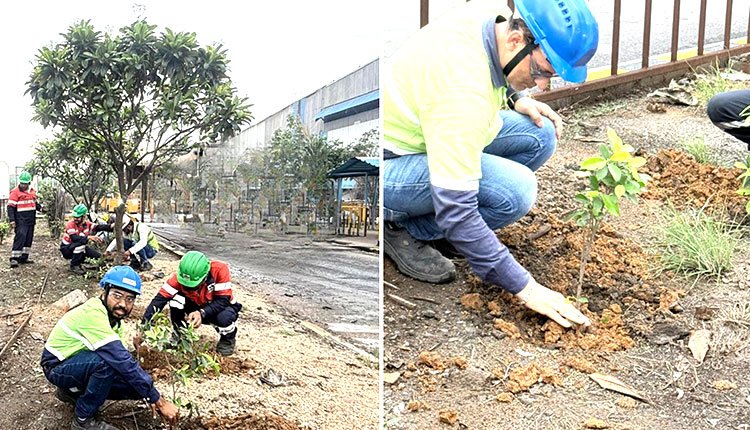
In an effort to compensate for this diversion, the government has designated over 23,392 hectares for afforestation, which includes 15,360 hectares of forest land and 8,031 hectares of non-forest land.
However, despite the compensatory afforestation area being significantly larger than that of the diverted land, only 10,155 hectares have been afforested to date, comprising 7,527 hectares of forest land. This indicates that a large portion of the area that was supposed to be covered remains unaddressed. Additionally, wildfires pose another substantial threat to the state’s forest resources.
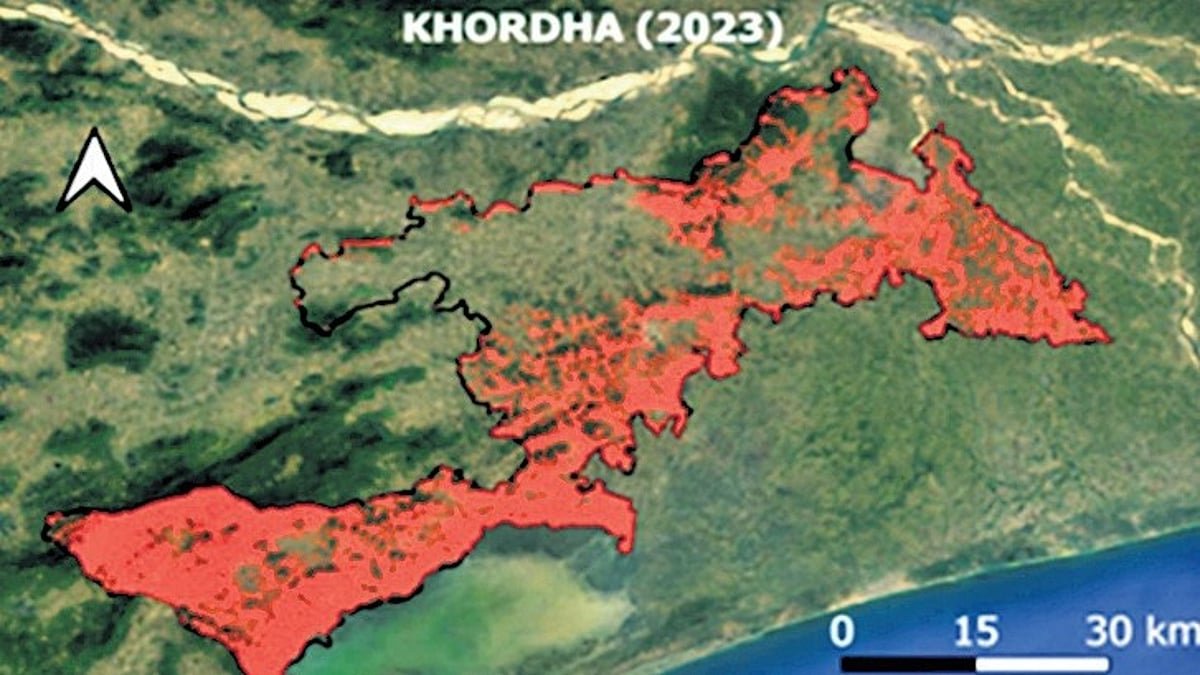
The statistics reveal that in 2024, there were 22,868 reported forest fire incidents that affected 4,067 hectares, while 29,709 incidents in 2025 impacted 4,609 hectares. In 2026, there were 20,841 fire incidents affecting 3,056 hectares, leading to a total of approximately 11,732 hectares impacted by wildfires over the three years.
On average, more than 3,900 hectares were affected by forest fires annually from 2024 to 2026, with wildfire incidents exceeding 20,000 each year during this period.
Ganesh Ram Singhkhuntia, the Minister for Forest, Environment and Climate Change, recently provided these insights in the Assembly, asserting that the government is implementing adequate measures to combat forest fires.
He mentioned that around 16,245 Van Suraksha Samitis are actively operating across various divisions. Additionally, compensatory afforestation is being conducted as mandated following land diversion, with survival rates reported between 80 to 100 percent in most divisions. The minister also noted that independent assessments of the saplings’ survival rates and improvements in forest cover are being undertaken.