Rourkela: Today marks the celebration of Nuakhai, the largest agricultural festival in Western Odisha that is central to the region’s cultural heritage. This year’s festivities are particularly vibrant due to significant rainfall and hopes for a fruitful harvest, embodying gratitude to nature, community ties, and the sharing of the initial produce of the season.
On Monday evening, families from Sambalpur, Bargarh, Balangir, Jharsuguda, Sundargarh, Kalahandi, Nuapada, and Subarnapur will conduct traditional ceremonies to invite their local deities in anticipation of the ceremonial presentation of the freshly harvested grain, known as ‘nua’, on Tuesday.
Chief Minister Mohan Charan Majhi conveyed his wishes to the residents through a video message, referring to Nuakhai as “an expression of love for our soil, culture, lifestyle, and social unity.” The festival has prompted a significant return of individuals from various parts of Odisha and beyond to reunite with their families. “I have traveled from Bhubaneswar to Sambalpur with my family to celebrate Nuakhai with my father, brothers, and relatives,” stated P K Purohit.
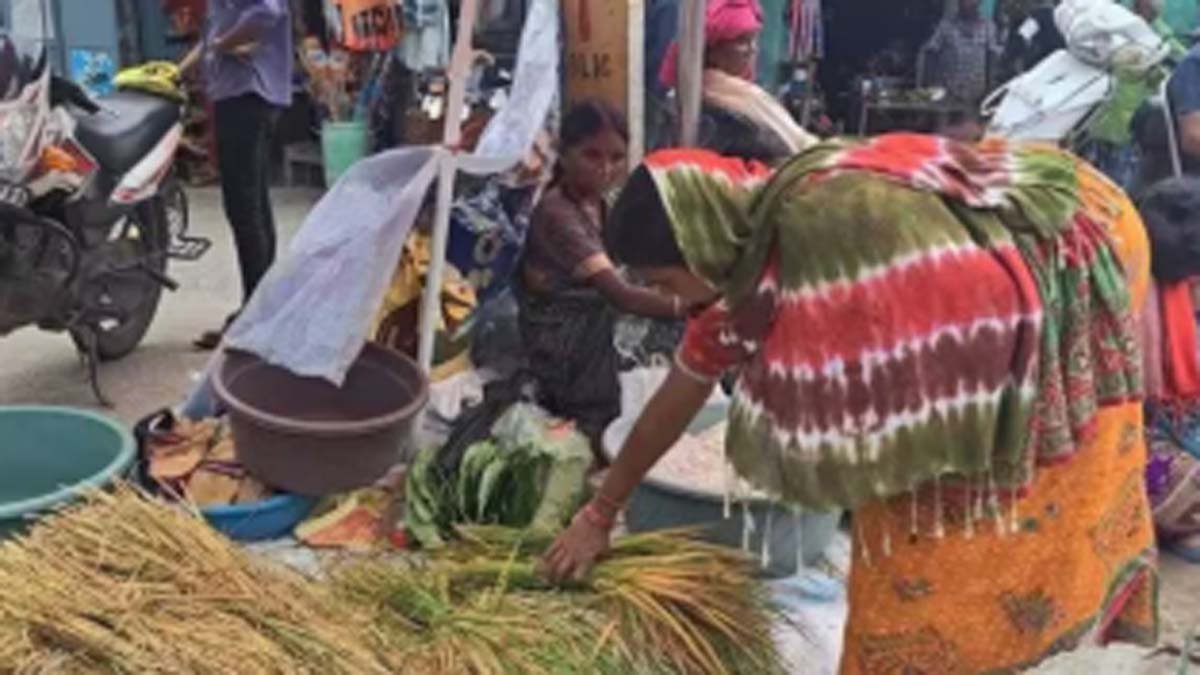
Over the weekend, markets in Western Odisha were bustling with activity as residents purchased clothing, earthen pots, traditional delicacies, and items necessary for the festival. In Sundargarh district, preparations are underway for the much-anticipated collective Nuakhai celebration in Jhurimal village, which has been honoring this tradition for 14 years. All 163 families in the village, regardless of caste, religion, or social standing, come together to celebrate.
The festivities commence with the offering of new rice to Sankatmochan Bajrangbali, followed by rituals dedicated to family deities and ancestors. A unique aspect of Jhurimal’s tradition is that women are honored by being the first to partake in the Nuakhai meal. Villagers then gather to enjoy traditional dishes, with cultural performances playing a significant role in the celebrations. “Collective Nuakhai is also the celebration of unity, equality, brotherhood, and togetherness,” remarked Digambar Upadhyay, the initiative’s founder.
Inspired by Jhurimal’s example, the villages of Balangibahal and Nuamunda in the Tangarpali block have also initiated collective Nuakhai celebrations in recent years. The festive spirit is palpable in Nuapada district as well, where villagers are busy cleaning and decorating their homes and collecting ritual items from nearby forests in preparation for the celebrations. In the neighboring Balangir district, approximately 1,000 families, totaling nearly 5,000 individuals from Dahimal and Jalia villages under Belpada block, will once again celebrate Nuakhai together, maintaining an eight-year tradition.